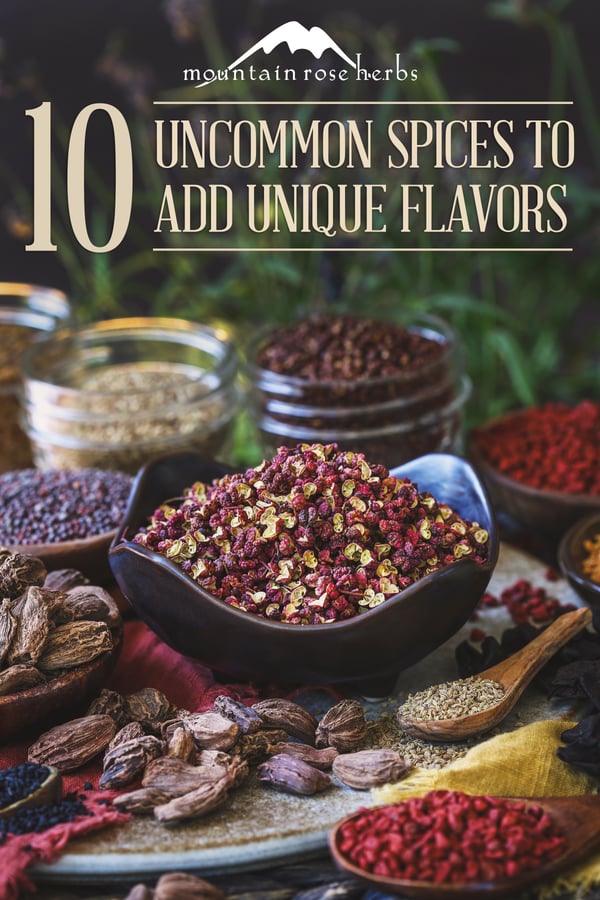

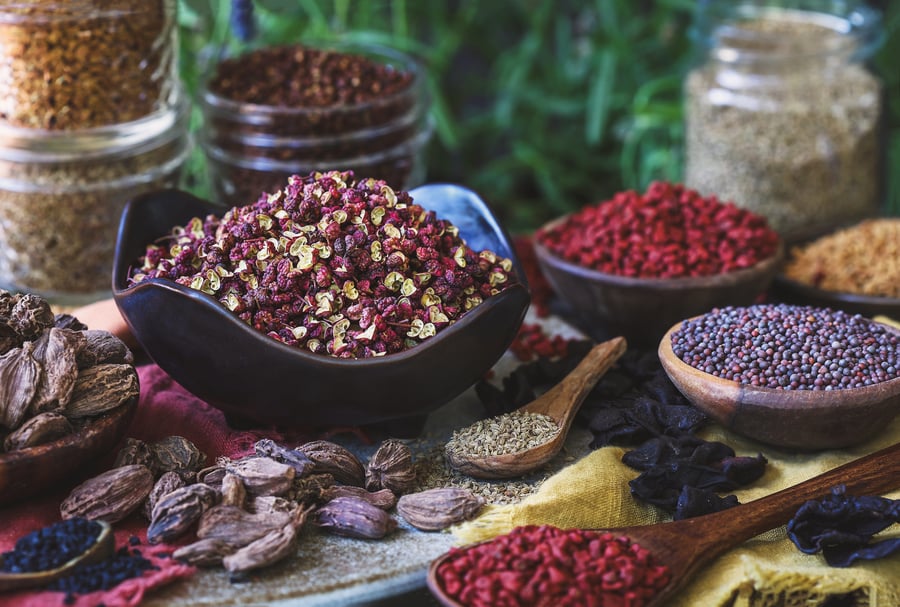
One of the nicest things about being a purveyor of spices is that it exposes us to the culinary traditions of people all over the world. As a chef in my younger years, I worked at a Central and South American fine restaurant and learned to use many spices and techniques I had not been previously familiar with. It never stops amazing me how nature has created so many joys for us to experience. While we can try to describe an entirely unique flavor by comparing it to more familiar ones, each botanical has its own distinct personality, and the more familiar substitutes omit something vital to the spirit of a flavor and the essence of the botanical itself.
In the science of flavor, each new taste we experience creates new neural pathways in our brain that affect our memory and learning centers. While sometimes you may dislike a new flavor the first time you experience it, the next time you may find that you quite enjoy it— or even crave it! This is what happened to me the first time I experienced Szechuan pepper. The tongue-numbing tingle was initially strange. But that night as I thought about the meal, my mouth started to water, and I found that I craved the spicy, tangy zing of that flavor. I then went on to hunt down Szechuan pepper dishes wherever I could. It is still one of my favorite flavors!
This experience led me on a lifelong journey exploring more unique flavors to add to my culinary experiments. Let’s have a look at some lesser-known spices and how they can be used to broaden our palates.
Szechuan Pepper
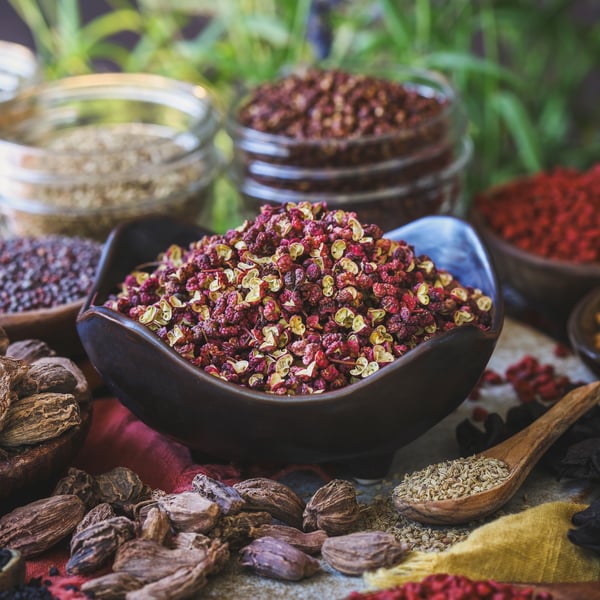
Despite its name, Szechuan pepper is not a pepper at all, but a citrus! The zingy red fruit surrounds the hard pepper-like seed, and together they create a most distinct and complex combination of flavors that range from citrusy to peppery to subtly sweet. The Szechuan (or Sichuan) Province of South-Central China is mountainous and lush and is beloved for its spicy and flavorful cuisine.
How to Use Szechuan Pepper
Szechuan Pepper is used in the dishes Mapo Tofu and Kung Pao, although in the United States, capsicum peppers are often substituted due to a lack of access to Szechuan pepper.
Another common method of using this spice is to stir-fry it in hot oil before adding protein or vegetables. The flavor of Szechuan Pepper is key to producing málà (“má”- numbing, and “là” - spicy), the unique tingling effect that makes this cuisine shine. It is most often paired with star anise, garlic, and cumin in what is called “red cooking,” where ingredients are braised in the hot red oil to create unctuous dishes.
Fenugreek Seed
Called Methi Dana in Hindi, fenugreek seeds are seldom used in Western cuisine, but the flavor will be very familiar to lovers of Indian food as it’s a predominant spice in dishes such as Korma, Tikka Masala, Kitchari, and Sambar. It is also grown and used in North African cooking.
How to Use Fenugreek Seed
The whole seeds are popular in India and are often quick pickled in lime juice, salt, and chili (fresh or dried) until they are soft. Don’t be fooled by the distinct maple scent; fenugreek can be quite bitter if not first lightly roasted or pan-fried in ghee or oil to bring out the mellow nutty richness. Whole seeds work better in wet dishes that stew for a lengthy time, as the seeds are quite hard. They are also difficult to grind well at home, so the powder comes in handy if the cook time is shorter. The flavor blends well with coriander, cumin, and turmeric. Fenugreek is another one of my very favorite spices!
Annatto Seed
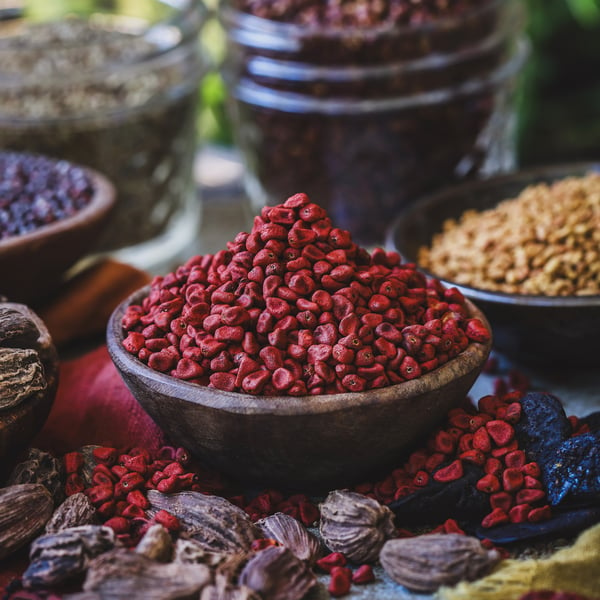
Annatto is well-known for use as a colorant in butter or cheese, but as a spice, it is a rich and subtle addition to many dishes. Recognizable in many Mexican and Central American preparations, annato , also known as Achiote (ah-chee-OH-tay), can be made into a paste called Recado Rojo and used in Oaxacan cooking.
How to Use Annato Seed
One of my favorite uses is to infuse whole seeds in pumpkin seed oil by simmering at low temperature for about 10 minutes, then leaving the mixture to sit overnight before straining. It can then be used for marinades, braises, and stews where its color adds an enticing redness to broths along with a subtle tanginess and lightly peppery zing. Try making Mexican rice by toasting dry rice in annatto-infused oil and spices like coriander and cumin before adding hot water and steaming. Yum!
Blackseed
Blackseed, Nigella sativa, also referred to as “black cumin,” is an often-overlooked spice that can add pungent earthiness to many dishes. Known as Kalonji in India, it may be familiar to Westerners for its use in Pakoras and crispy Pappadums at your favorite Indian restaurant.
How to Use Blackseed
Blackseed pairs well with brown mustard seeds and fennel in a tadka for addition to dahl or soup. An easy dish to try blackseed in is Bombay Aloo, a dry preparation of potatoes parboiled with turmeric and then tossed into a pot with sizzling whole kalonji, brown mustard seed, and curry leaves until the potatoes are soft inside and crispy-crusted outside. It is also commonly used in the Middle East when prepared as a paste and then added to rice or stews; or as whole lightly toasted seeds added to flatbreads and pastries.
Curry Leaf
Tangy, akin to lemongrass with more pungency, curry leaves are used in many Southeast Asian cuisines. The leaves are nearly always toasted dry or in oil before use, as it can be quite bitter otherwise. Familiar in Sambhar and Malai Kofta, curry leaves add a complex, somewhat piney, punch to dishes. The flavor can be compared to asafoetida (or hing) with a citrusy top note.
How to Use Curry Leaf
A simple way to familiarize yourself with its flavor is to add a sprinkle of curry leaf powder to your rice pot to toast lightly before adding the rice and water to steam. Additionally, you could try sizzling a few curry leaves in your pot before adding veggies for a sauté.
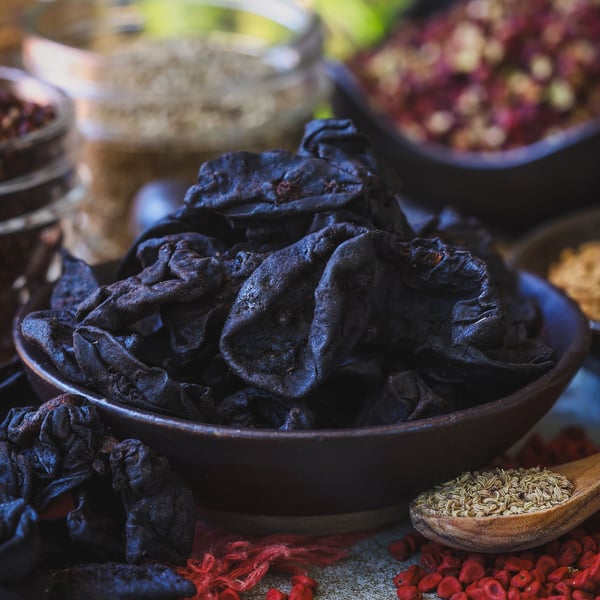
Garcinia Fruit
The fruit of Garcinia indica, also called kokum, is used as a souring agent in Indian cooking similarly to tamarind, but it is most beloved as a cooling drink known as a sharbat. Persian in origin, a sharbat is a drink made of syrup with a flavoring agent, most commonly fruit or rose. (The name was altered and adopted by English colonizers as Sherbet.)
How to Use Garcinia Fruit
In Southern India, dried garcinia fruit is soaked, pureed, and boiled with sugar and water to make a concentrated syrup served diluted with cold water over ice. Toasted cumin powder and a pinch of black salt are added to make a tart, refreshing drink. Garcinia can also be used to replace tamarind or citrus in a recipe for a twist.
Grains of Paradise
Related to ginger, grains of paradise are native to West and North Africa and used in many dishes that lovers of Ethiopian cuisine may recognize, such as Doro Wat and others that rely on spice-infused clarified butter for richness. Known as Melegueta Pepper or Alligator Pepper in Nigeria, it is also used frequently in Morocco and the Caribbean. Lowland gorillas are said to love the leaves and seeds!
How to Use Grains of Paradise
With a complex flavor reminiscent of cardamom, it is warm and peppery and can be used as a substitute or added to black pepper in your grinder. Add a little to your pumpkin spice mix for a nuanced addition to pies or quick breads.
Black Cardamom
Another member of the ginger family, black cardamom is known locally in Ethiopia and Eritrea as korarima and is infused into the vital spiced clarified butter known as Niter Kibbe. The pods are dried over fire, contributing to their slightly camphorous and smoky flavor. The taste is quite different from the common green cardamom most are used to.
How to Use Black Cardamom
Try making Niter Kibbe by first dry-toasting lightly crushed black cardamom pods with other whole spices like ginger, fenugreek, cumin, cinnamon, and clove, then simmering with butter during the process of clarification, and then straining out. The aromatic butter can be used to sauté proteins and veggies.
In India, whole pods are used in soups, dahls, and stews to be picked out before serving. The flavor is often balanced by a squeeze of citrus.
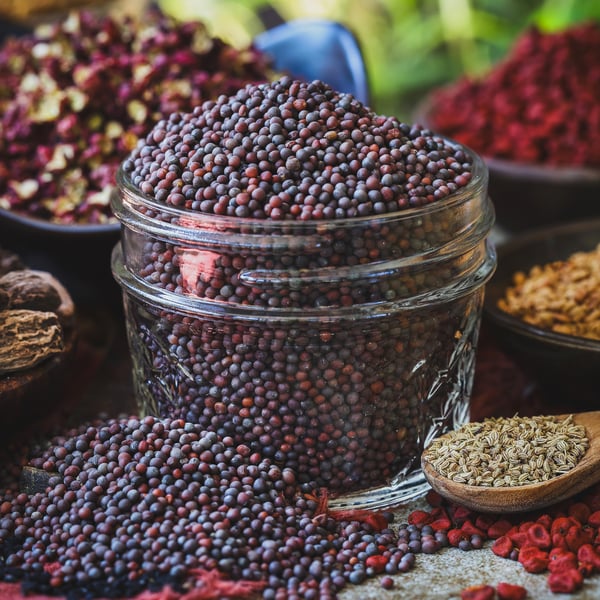
Brown Mustard Seed
Earthy brown mustard seeds are a star in Indian cooking. They add a deep nutty bass note that I would compare to cumin in its effect on dahls and soups. I store mine in my masala dabba gifted to me by a friend who travels to India regularly. A masala dabba is a handy airtight stainless container that keeps all my tadka spices fresh and handy.
How to Use Brown Mustard Seed
Tadka is the practice in Indian cooking of frying spices and aromatics in ghee or hot oil to draw out the essential oils and really amp up flavor. Fry brown mustard in very hot oil (just shy of smoking) with a lid nearby, as the little seeds may pop and ricochet all over your kitchen! Paired with cumin, coriander, garlic and chili peppers, add your sizzling tadka to a pot of red lentils simmering with turmeric for the most delicious dahl.
Ajwain Seed
Ajwain seed is a small, very aromatic spice. Also known as carom, it is very thyme-like in flavor, but also much more complex with a bit of fennel-like aftertaste- not surprising as they’re in the same family. But while fennel is milder and sweeter, Ajwain packs more of a punch. A little goes a long way!
How to Use Awjain Seed
Another great tadka spice, dry toast or fry in oil before adding the sizzling mixture to simmering soups and stews, particularly in rich or starchy dishes. It is also delightful baked into breads.
Looking for more Culinary Inspiration?
Check Out These DIY World Spice Blends
You may also enjoy: