
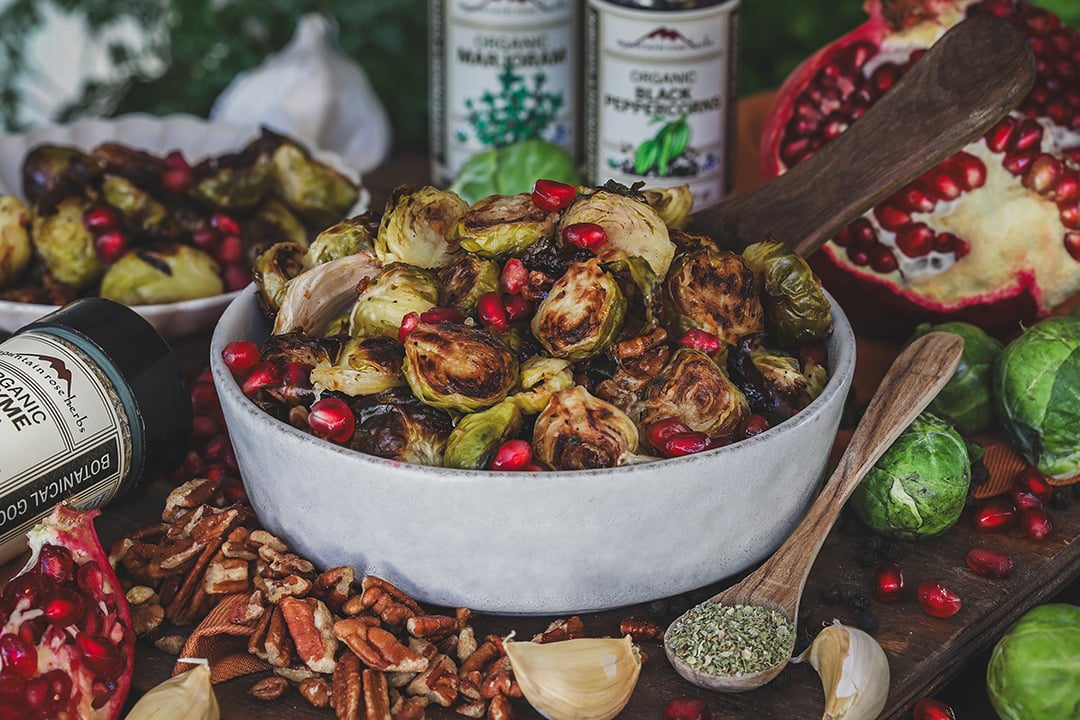
We host a lot of holiday meals and gatherings at our home. There are so many things we love about dining with some of our favorite humans in our humble home, but the part I love most is feeding colorful and creative foods to family and friends. This year, I wanted to try adding a little more pizzazz to my classic Brussels sprouts recipe. While a familiar recipe can feel like a welcome tradition, I love finding small ways to make it feel new. This recipe adds more color, contrasting textures, and seasonal flavor without making the preparation much more involved.
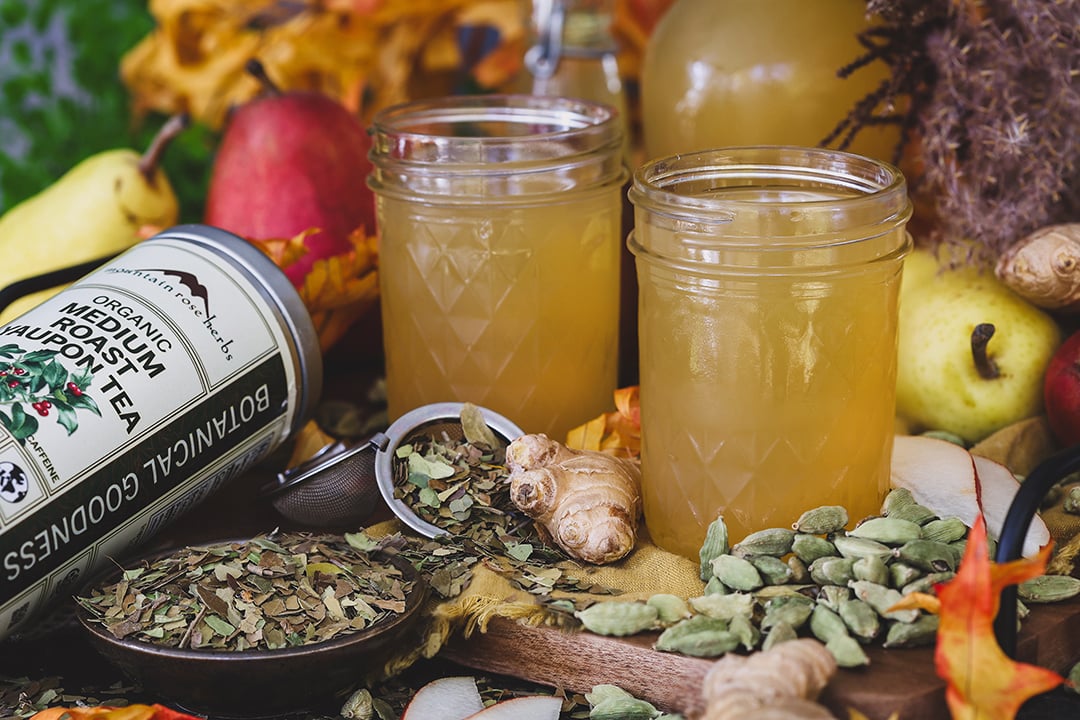
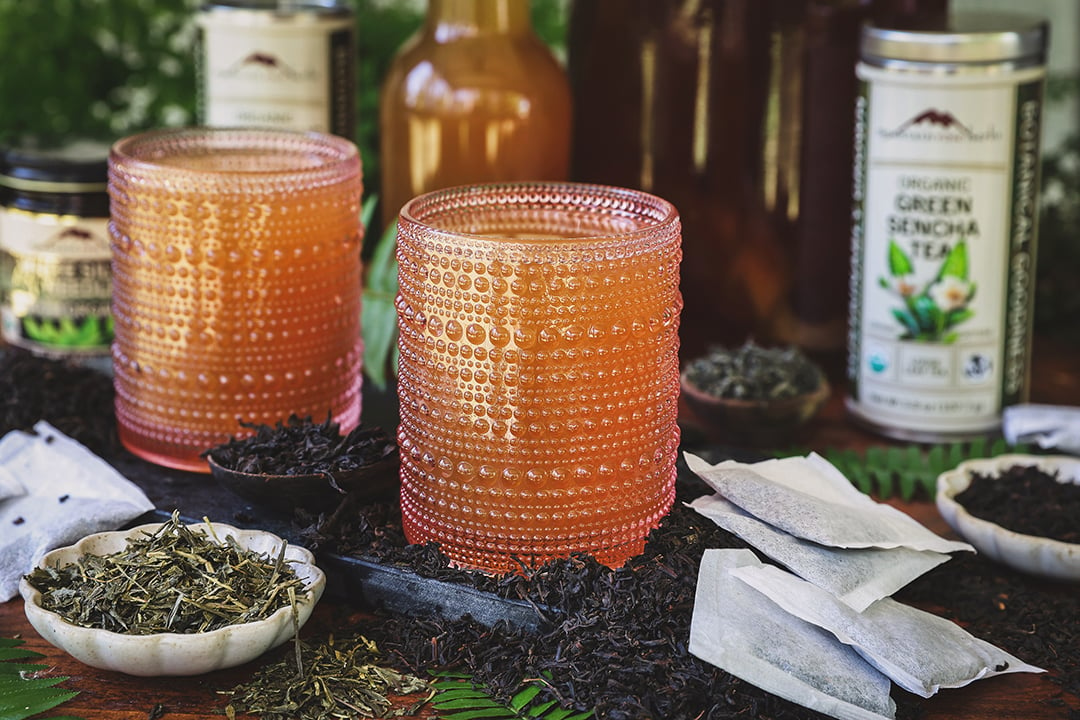
Read MoreI love a crisp, refreshing glass of kombucha! I've been making my own kombucha on and off for about 6 years now and have experimented with lots of different teas and flavors over that time. This fall, I took to my kitchen to craft a festive pear, cardamom, and ginger kombucha using US grown yaupon. The results were beyond my expectations and most definitely worthy of sharing with you all!
Read More
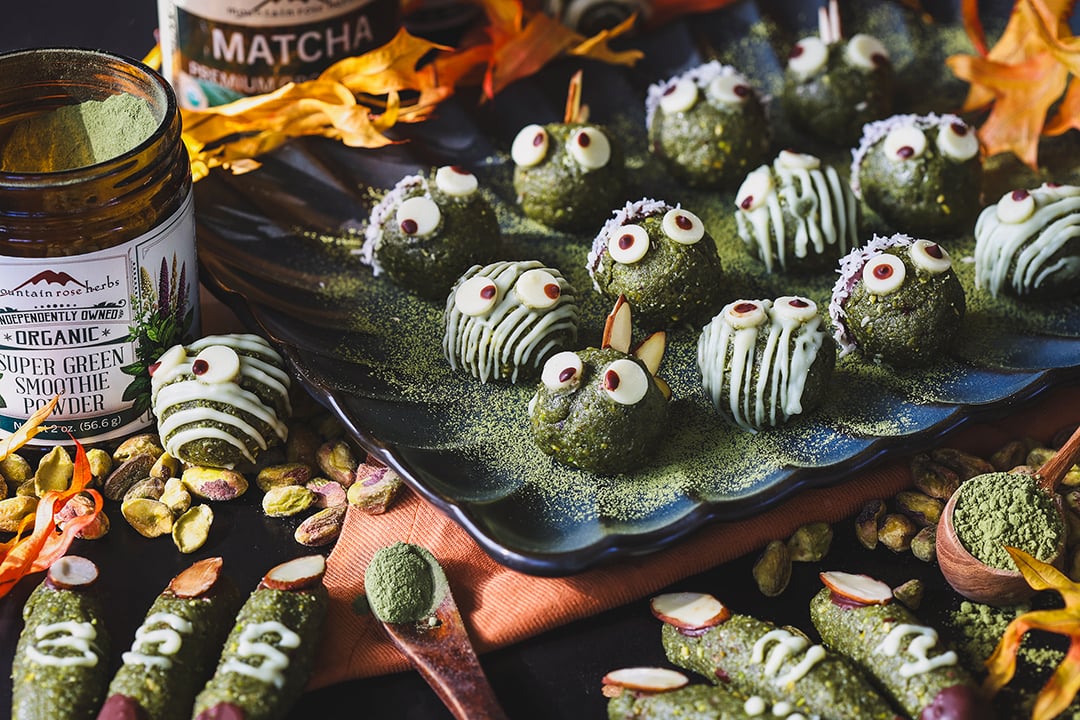
Between my love for recipe development, costume design, and just about any crafty project I can get my claws on, Halloween is my favorite time of year to let the creative goblin in me run rampant. From sewing projects on the floor, bubbling pots on the stove, and as many fabric scraps as food scraps scattered across every available surface, my house transforms into somewhat of an oddities emporium by the end of October. One of my favorite ways to make a mess in the name of Halloween spirit is giving everyday recipes a twisted little makeover, and these Super Greens Goblin Bites are the perfect thing to keep me going in between all my cooking andcrafting.
Read More
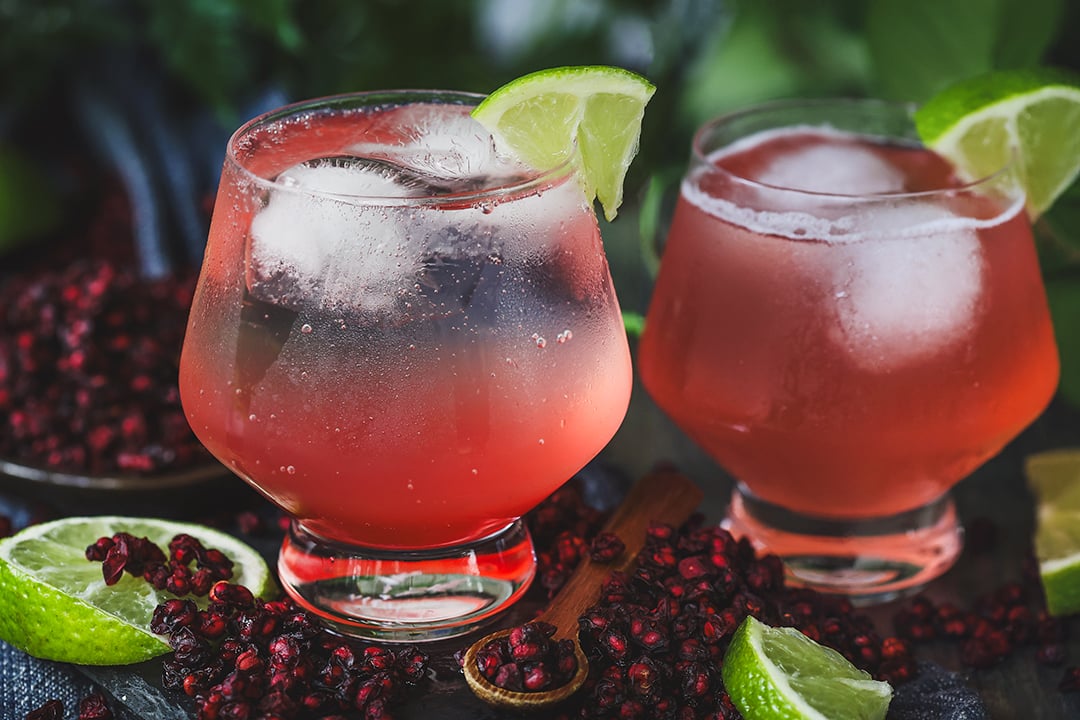
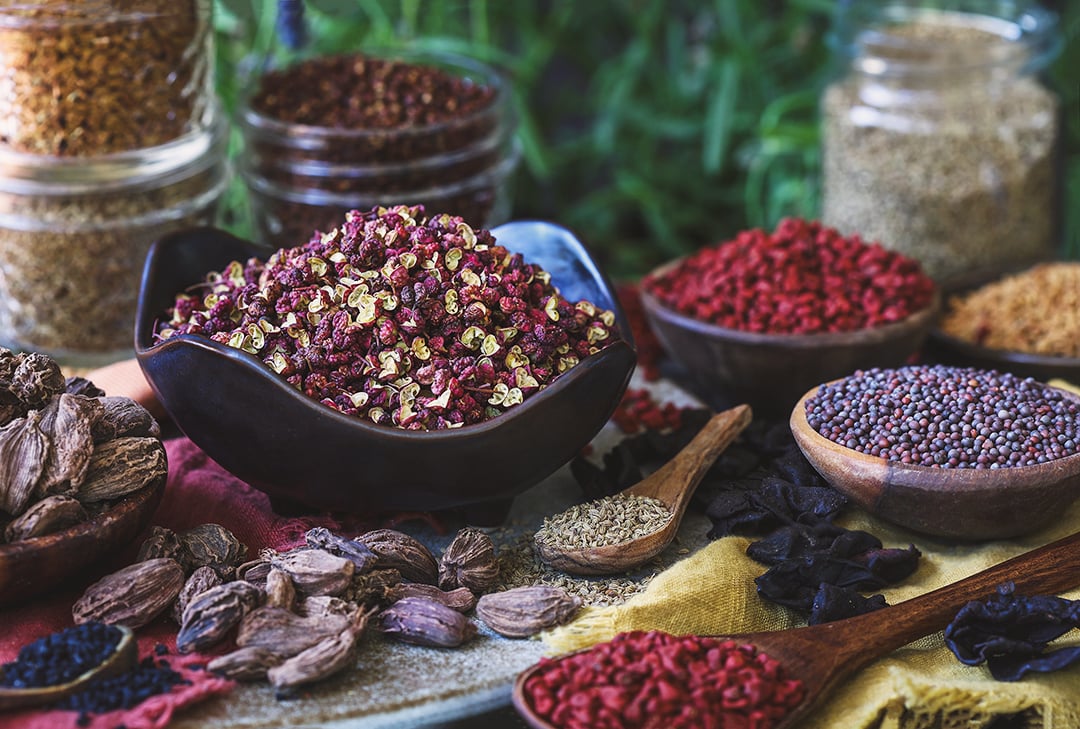
Schisandra (Schisandra chinensis), also called schizandra, magnolia berry, Wǔ Wèi Zi, or five-flavor fruit, is a powerful botanical ally to add to your personal Materia medica. In this monograph, we will uncover the botany, history, and uses of this plant, along with a flavorful mocktail recipe to help you develop a deeper relationship with schisandra.
People often struggle to understand what “organic” means, and consumer research has revealed that many are not familiar with the regulatory and enforcement processes that uphold the organic seal. In response to this, the United States Department of Agriculture (USDA) has come up with four easy-to-understand pillars that make up the USDA organic label. Each pillar highlights a key component of the National Organic Program's (NOP) process for developing and enforcing organic regulations.
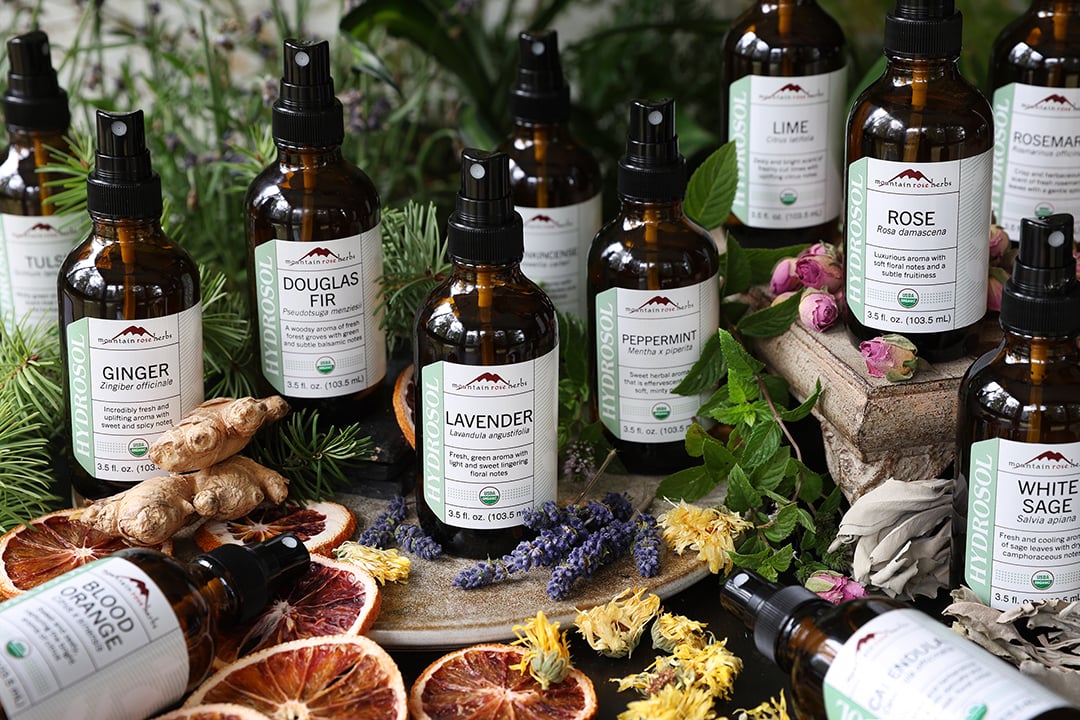
Despite the long tradition of distillation, the word hydrosol has become increasingly ambiguous. In the US, much like essential oils, hydrosols (or hydrolats) are unregulated, and products marketed under that name can be very different from one bottle to another. Distillation of hydrosols is an ancient art in which the distiller undertakes the no-small-task of mimicking the inspiring water cycle we witness here on earth; just on a micro-level, inside of their still. Have you ever made soup, put a lid on the pot, and when you took the lid off, there was clear water on top of the lid? That is a distillate of your soup, and it is the simplest way to understand where hydrosols come from.
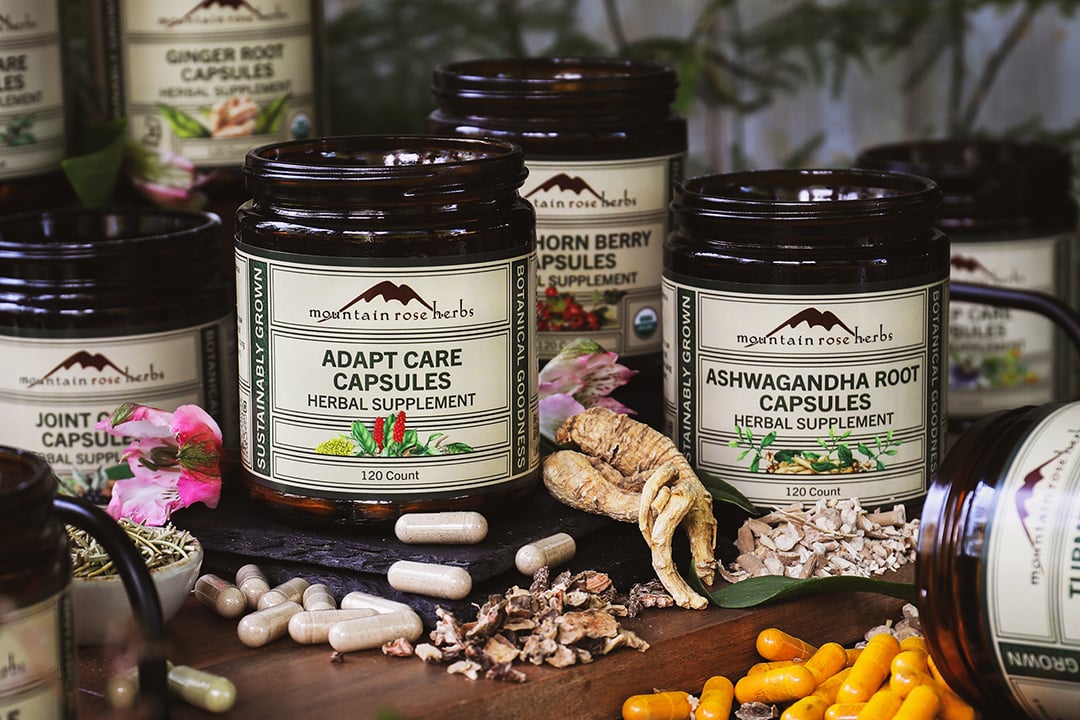
We often get excellent questions and comments from the Mountain Rose Herbs community that inspire us on product ideas, blog writing, and more. We recently had a question about the difference between whole and standardized herbal products and how to choose which to use. We are so glad you asked that!
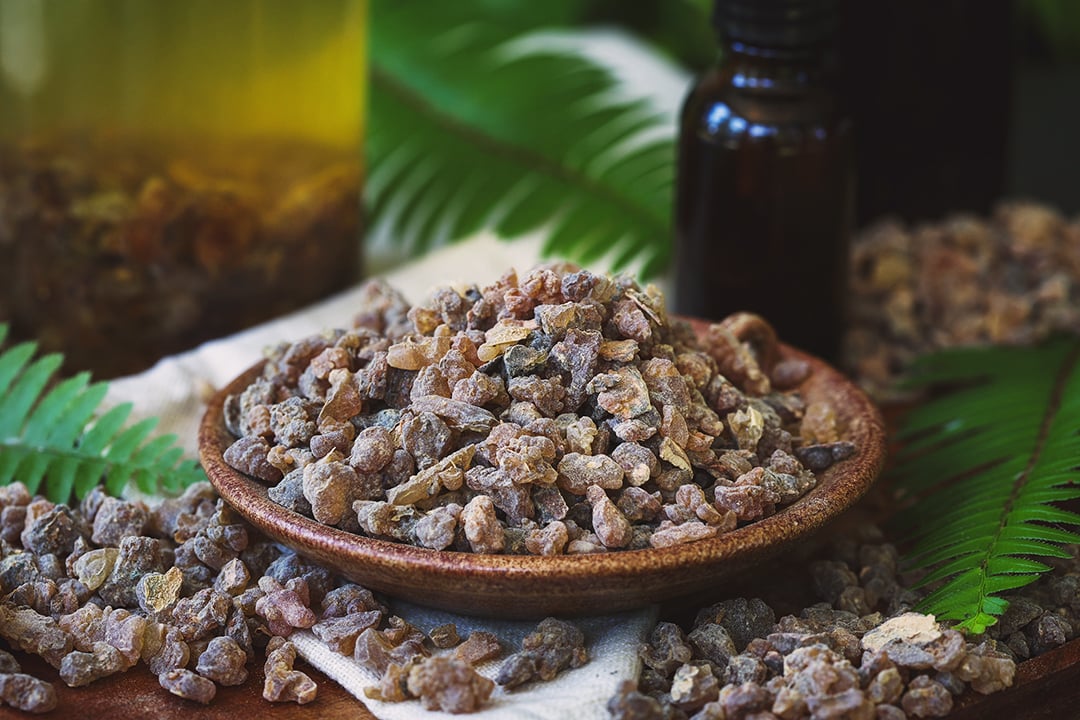
Myrrh (Commiphora myrrh) has been a cherished botanical for thousands of years. Native to the Horn of Africa and the Middle East, this sacred tree has been called upon for traditional medicine, religious incense, and perfumery for over 5,000 years. It has a long lineage of folklore and spirituality, and was so prized that it was used to anoint kings and scent the fabrics of pilgrims traveling to holy places. It's no less adored today.
Chances are that if you have been grocery shopping within the last 25 years, you have heard about or seen kombucha. In fact, these days it is hard to throw a rock in a food store and not hit a bottle of the oftentimes brightly colored, effervescent, and vaguely mysterious brew. As a fermented beverage, kombucha is rife with naturally occurring probiotics, which are believed to help promote healthy gut flora and aid in digestion. Pair the health benefits with the countless delicious flavors available, and it is easy to make store-bought kombucha a daily habit. While your tummy and taste buds might scream yes to this, your bank account might be slightly less enthusiastic. Fortunately, making your own kombucha is cost-effective and much easier than you might think!
Read More