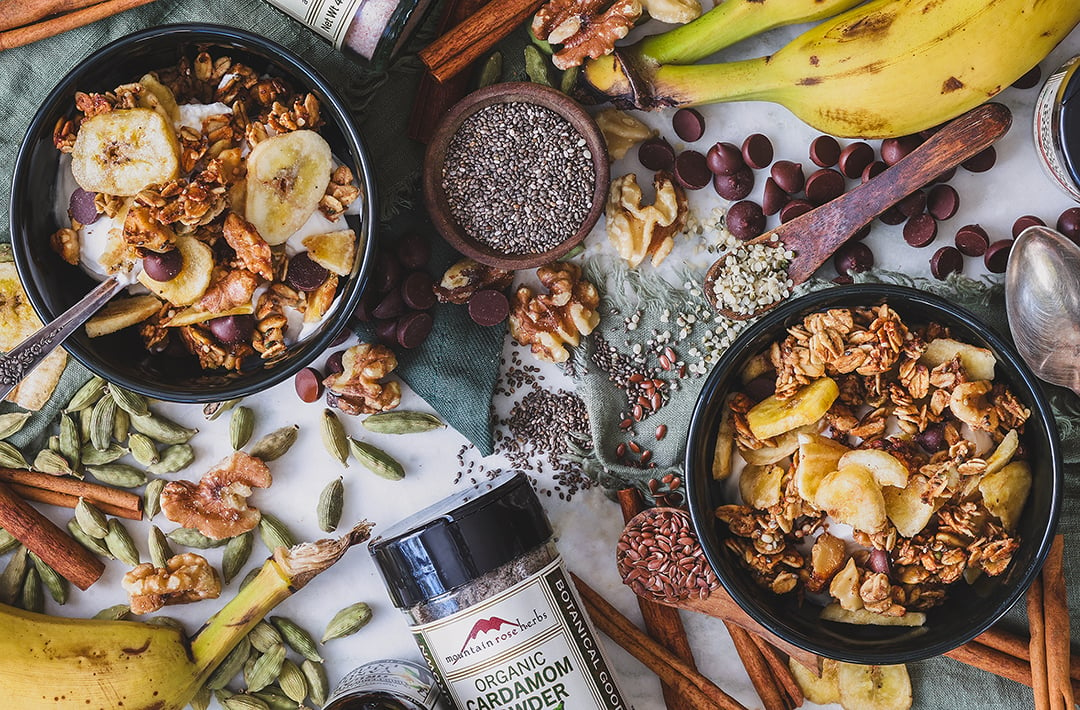

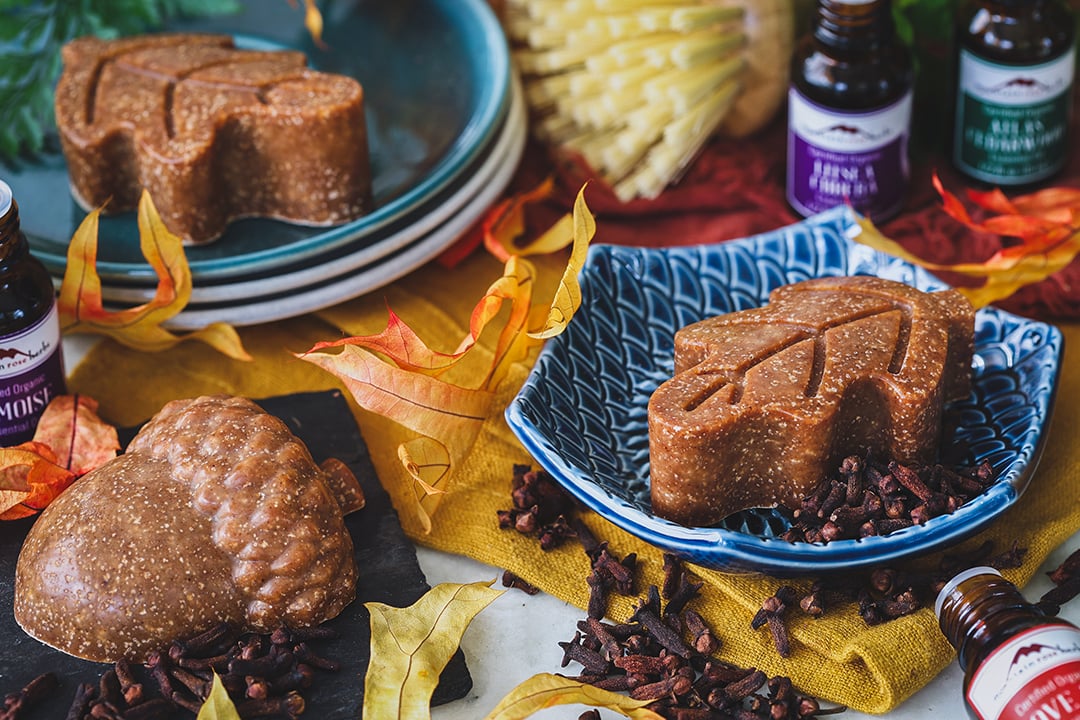
I’m not ashamed to admit that when I buy a bunch of bananas, it is most certainly not with the intention of eating them straight away. It is to watch them slowly turn unsightly on my kitchen counter until they reach that deeply questionable stage of overripe perfection and are ready to be turned into one of man’s greatest creations: banana bread. The only peel I tend to slip on with this otherwise foolproof system is that I usually end up with one or two extra bananas that my go-to banana bread recipe doesn’t call for.This is where banana bread granola comes in, which has quickly become another go-to recipe that lets me utilize each and every banana from the bunch.
Read More
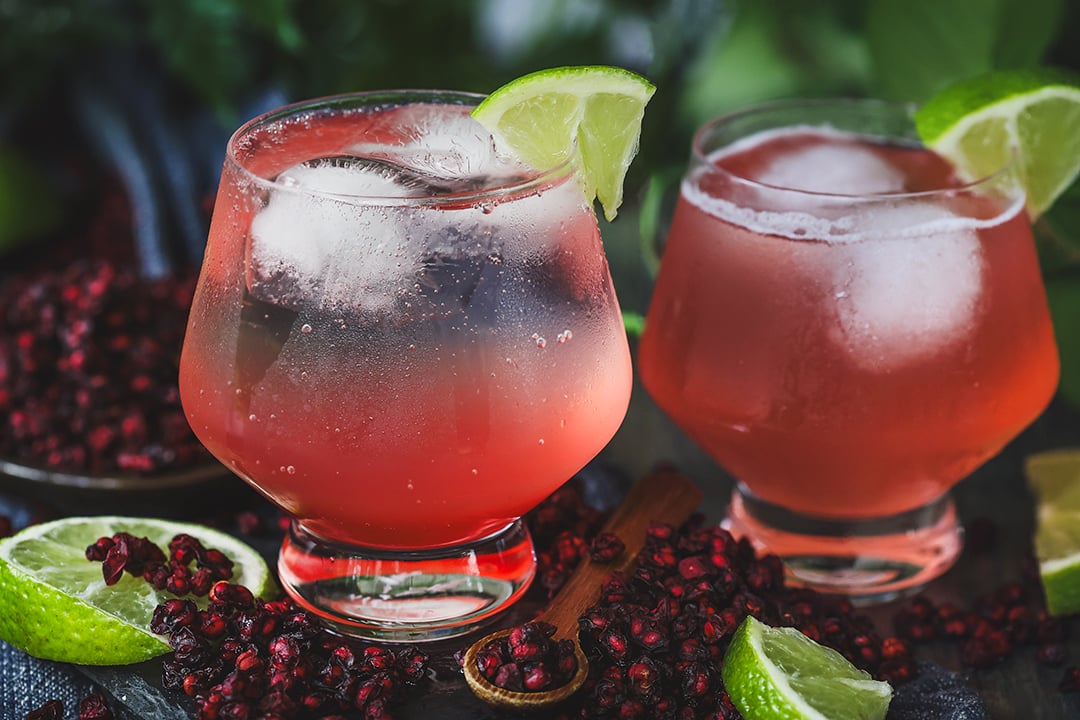
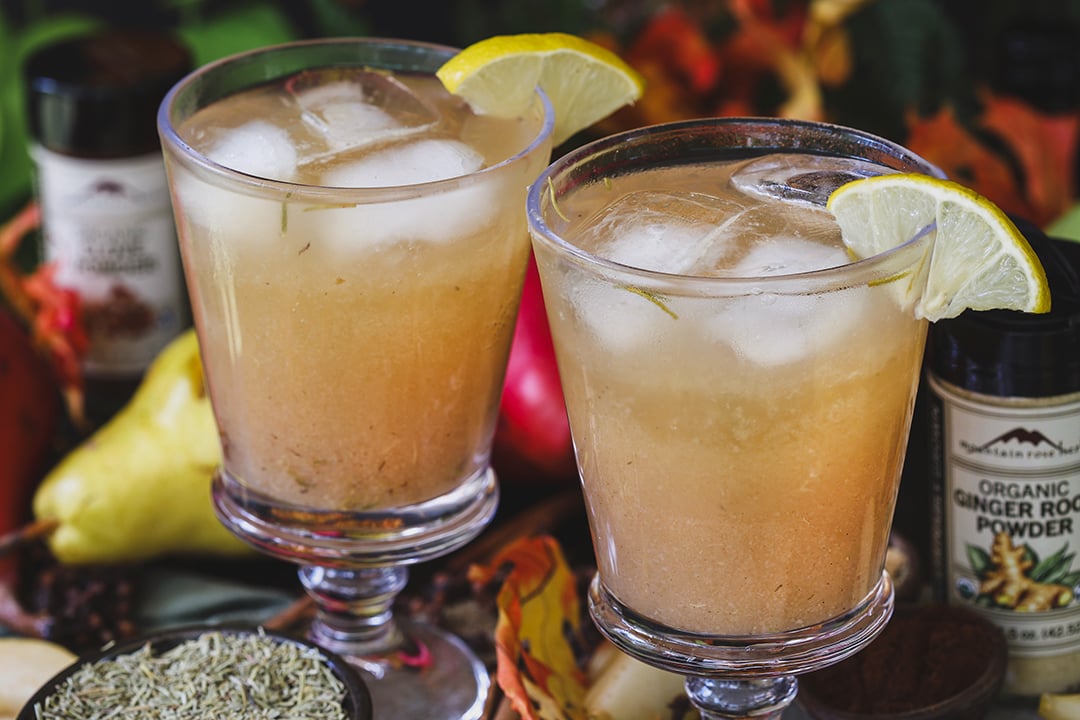
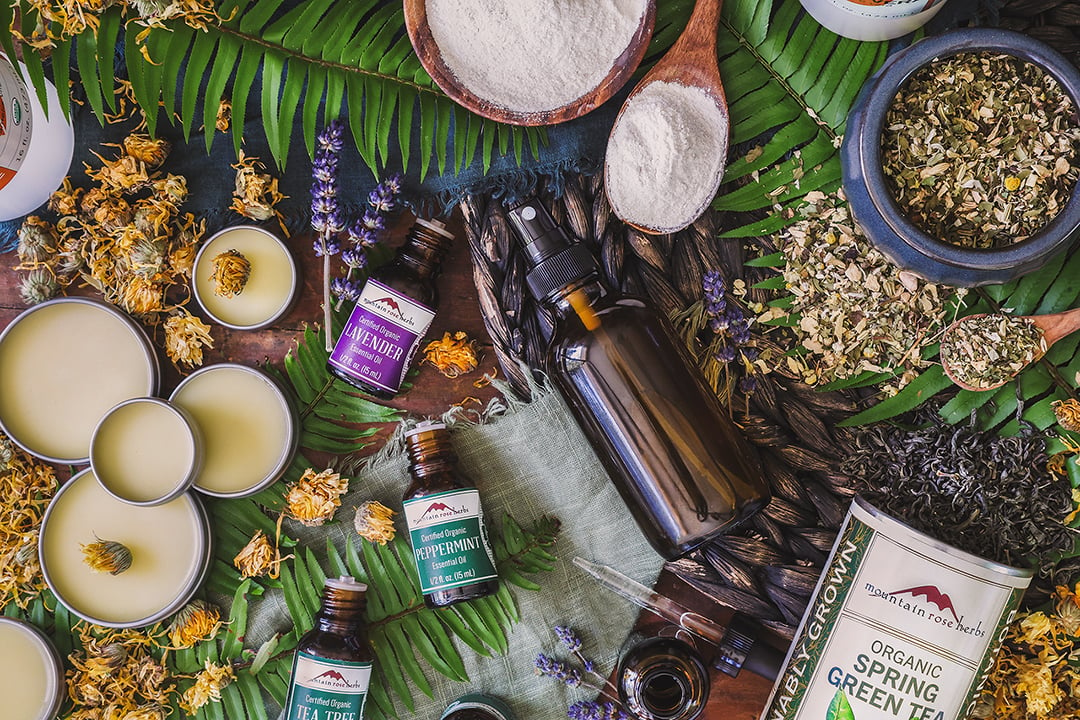
Schisandra (Schisandra chinensis), also called schizandra, magnolia berry, Wǔ Wèi Zi, or five-flavor fruit, is a powerful botanical ally to add to your personal Materia medica. In this monograph, we will uncover the botany, history, and uses of this plant, along with a flavorful mocktail recipe to help you develop a deeper relationship with schisandra.
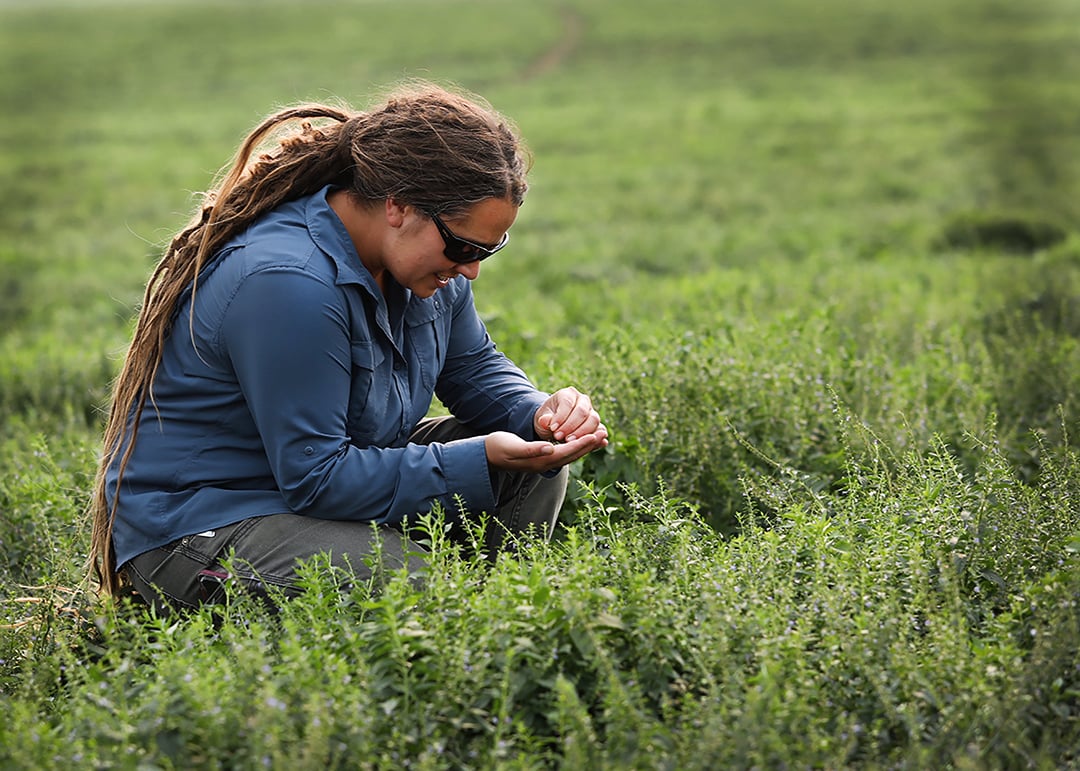
The United Nations declared 2026 as the International Year of the Woman Farmer. This effort is an important step in highlighting the often-overlooked work of women in food and wellness systems around the world. It is also raising awareness about the unique challenges women face in agriculture. This inspired us to reflect on the incredible women farmers we work with and share how their knowledge and perspective have shaped the herbal industry.
Read More
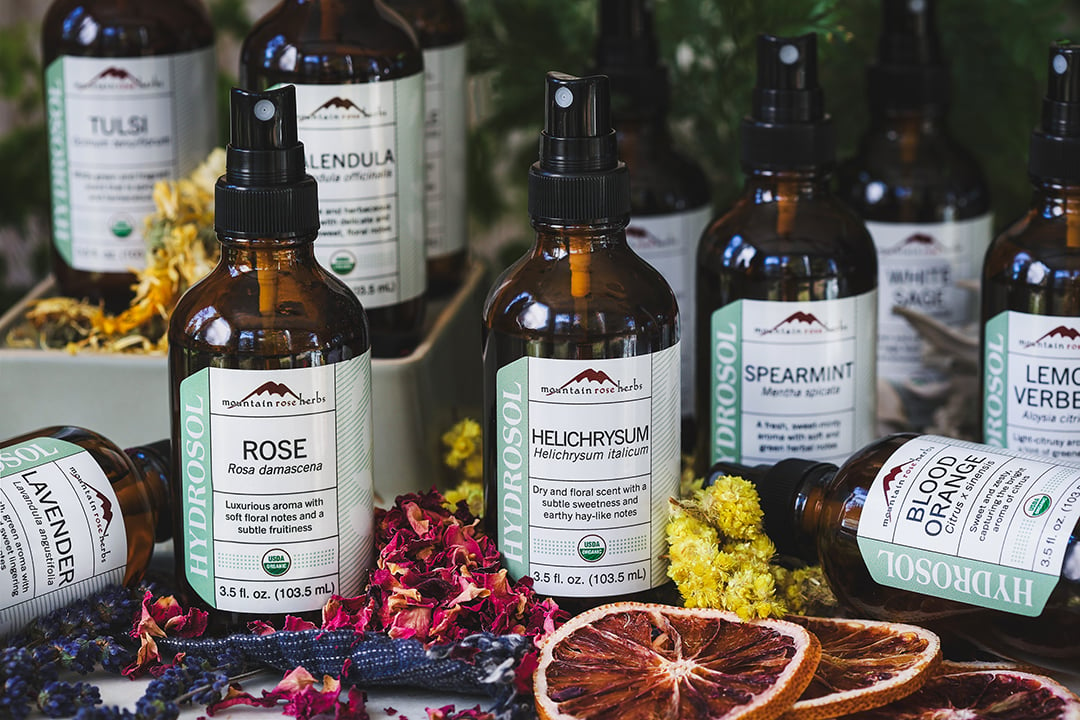
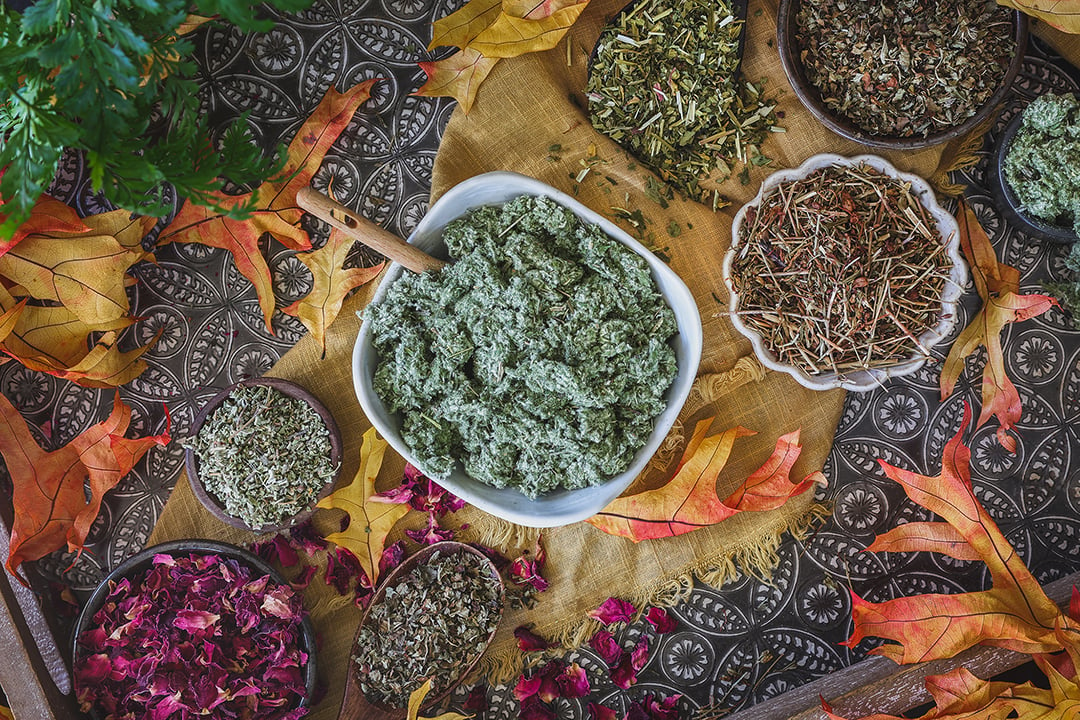
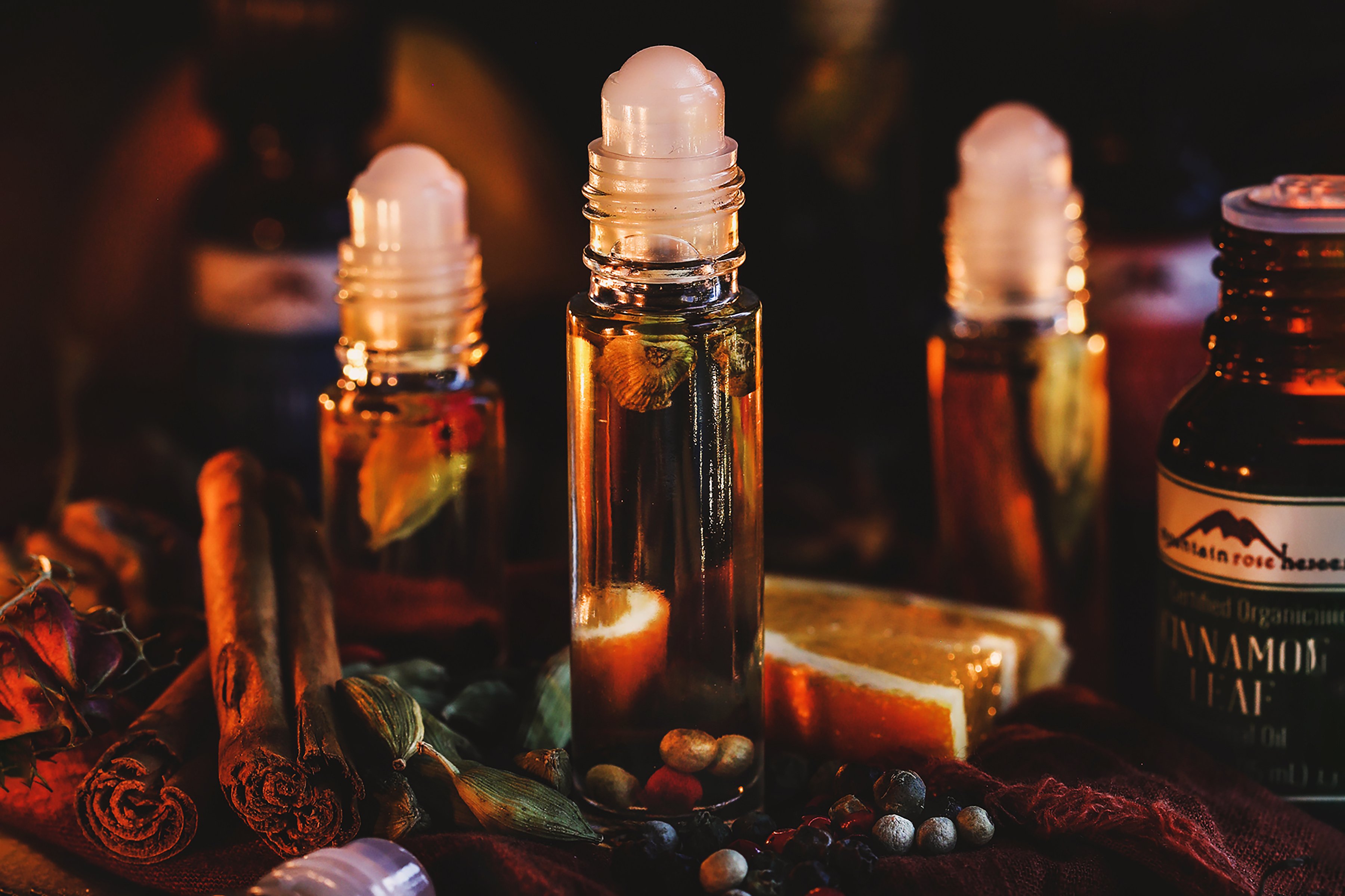
Homemade perfumes are wonderful for a myriad of reasons. From the ability to try new things without an enormous price tag to the pleasure of crafting something both beautiful and useful, perfume making is a pastime that I’ve grown to truly love. I custom tailor fragrances to match my mood or emotional needs or to harness the energetics of certain plants. But I also have a fondness for crafting blends that match the seasons.
Read More
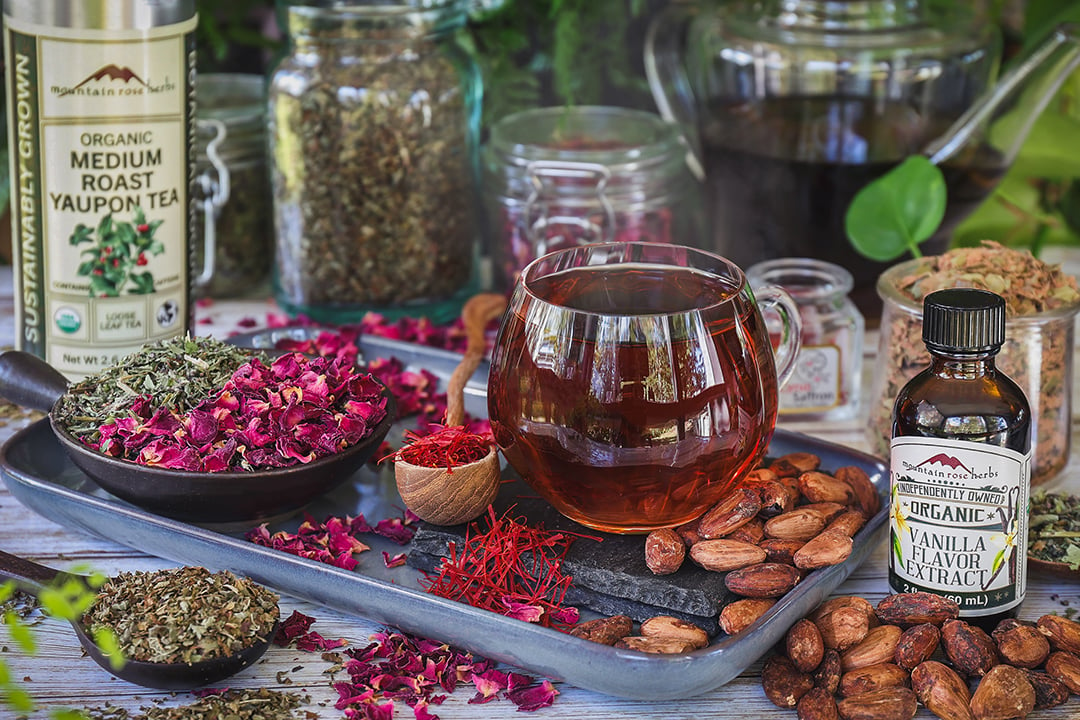
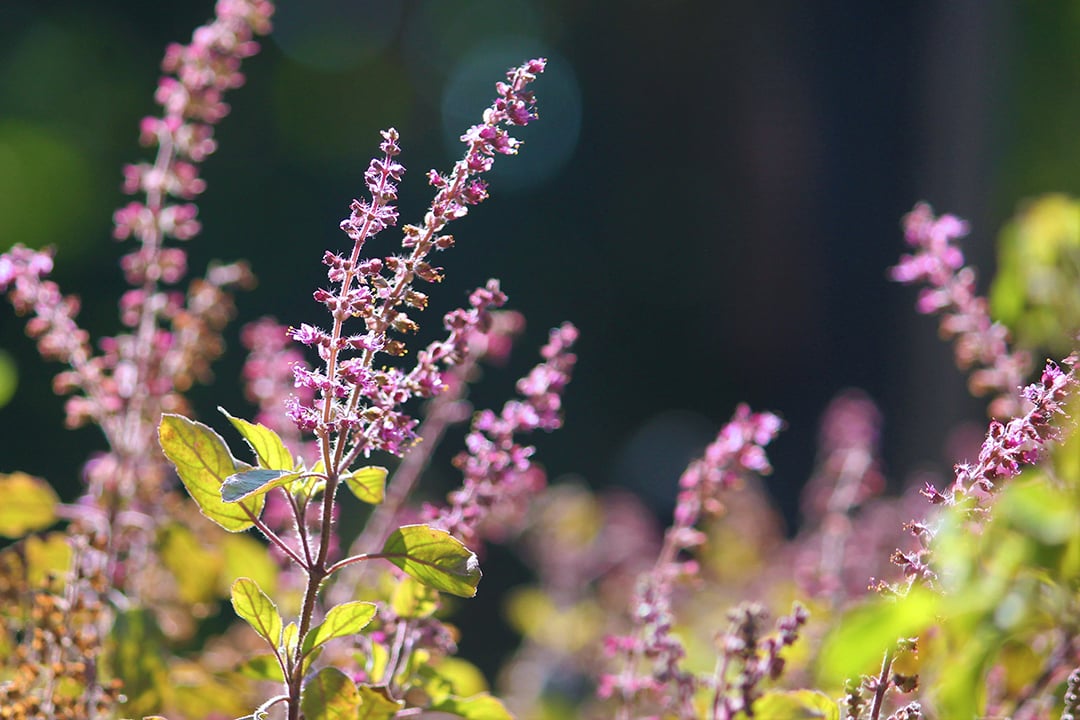
People often struggle to understand what “organic” means, and consumer research has revealed that many are not familiar with the regulatory and enforcement processes that uphold the organic seal. In response to this, the United States Department of Agriculture (USDA) has come up with four easy-to-understand pillars that make up the USDA organic label. Each pillar highlights a key component of the National Organic Program's (NOP) process for developing and enforcing organic regulations.