
Schisandra (Schisandra chinensis), also called schizandra, magnolia berry, Wǔ Wèi Zi, or five-flavor fruit, is a powerful botanical ally to add to your personal Materia medica. In this monograph, we will uncover the botany, history, and uses of this plant, along with a flavorful mocktail recipe to help you develop a deeper relationship with schisandra.
Schisandra Taxonomy
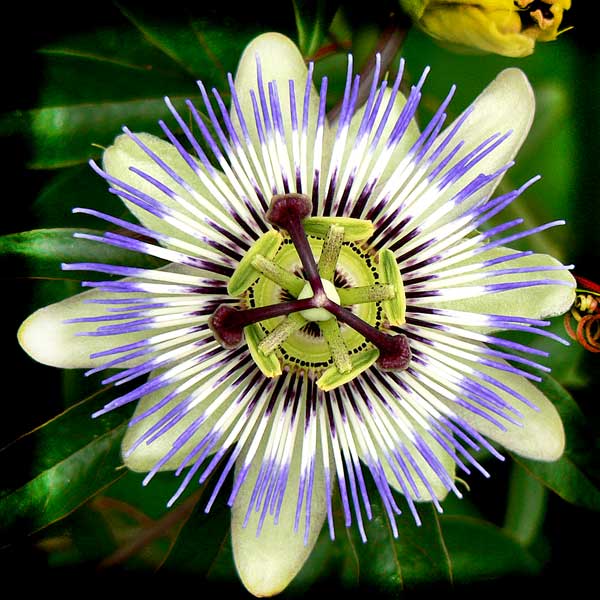
Schisandra is part of the Schisandraceae plant family. Its name comes from the Greek words “schisis " which means "a splitting" and andros, which translates to "man". "Splitting man" refers to the separated anther cells on the plant's stamens (the male reproductive organ).
The Schisandraceae family contains 92 known species from 3 different genera: Illicium (star anise), Schisandra, and Kadsura. Within the Schisandra genus, there are about 25 species of schisandra, with Schisandra chinensis being the most commonly used in the US. Schisandra sphenanthera is another species used interchangeably in Chinese Medicine traditions, but it's not as commonly found here. While most Schisandra is native to Asia, there is one species, Schisandra glabra, that is native to the southeastern United States. However, it is a rare and threatened species, and therefore not recommended to harvest or use. For the sake of clarity, we will be talking about Schisandra chinensis for the rest of this article, as it is the most common here and the one that I have the most experience with.
Fun Fact: Illicium used to be in its own family, Illiciaceae. In 2009, that family name was officially discontinued and reclassified under the Schisandraceae family. As a result, some folks, especially those who have been in the field of botany for a long time, may not consider it to be in this family.
Schisandra Growing Conditions
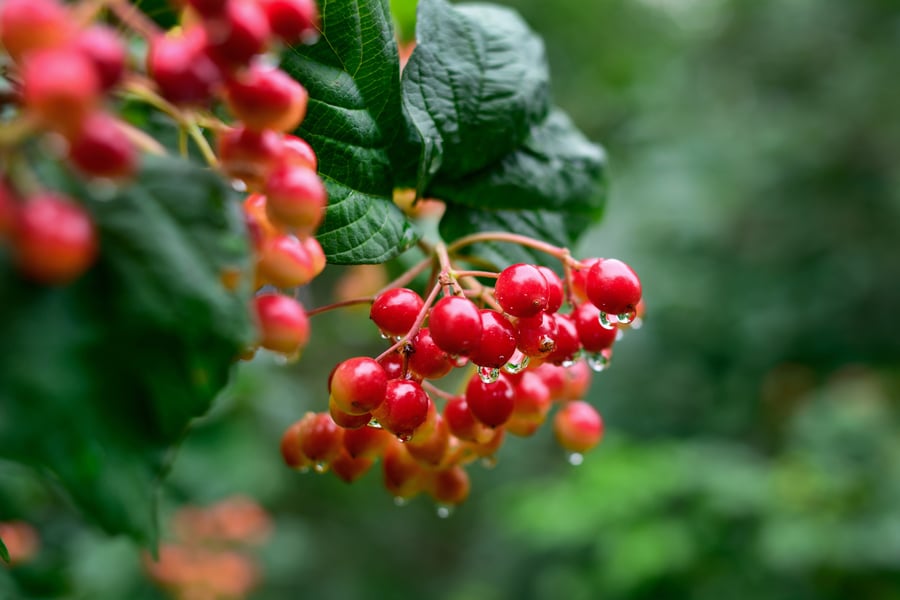
Schisandra berries generally grow in wild, lush, and mountainous regions. It prefers cool climates and high latitudes, and can survive very cold winters. As a forest-dwelling plant, it thrives best in partial shade and requires fertile, humus-rich soil that drains well.
It is deciduous (meaning it loses its leaves each year) and grows from woody vines that can grow up to 30 feet tall. In the wild, they climb up trees towards the sun, which can make it a challenging berry to collect!
Benefits of Schisandra
Stress Support: As an adaptogenic herb, schisandra can help regulate the nervous system without the sedating effects of other herbs in this classification.* In Chinese folklore, schisandra is known to calm the heart and quiet the spirit.
Energy and Stamina: The berries are often used to help increase energy, focus, and stamina, without over-stimulation. I like to call on this plant when things feel overwhelming to the point that they affect clarity of mind.
Cleansing liver support: Schisandra can help protect the liver from oxidative damage and has a gentle cleaning action to help support natural liver function.*
Astringent: As an astringent, schisandra can help to tighten and tone internal and external tissues.
Antioxidant: Like most berries, schisandra berries contain abundant antioxidants that support human health.
Skin Support: While schisandra is most often taken internally, it is also a phenomenal topical aid for toning, cleaning, and clearing the skin. See recipe inspiration below!
I love Deb Soule of Avena Botanicals' explanation of schisadra.
She says, “Schisandra holds the heart steady so one’s inner light can truly shine.”
Energetics of Schisandra
I find the energetics of this specific plant to be a bit difficult to explain, due to its complex nature. To me, I feel it as a drying and warming botanical. However, some others feel it differently in the body. Energetics can vary depending on how it's working in the body and the ways it's being used.

What Parts of Schisandra Can Be Used?
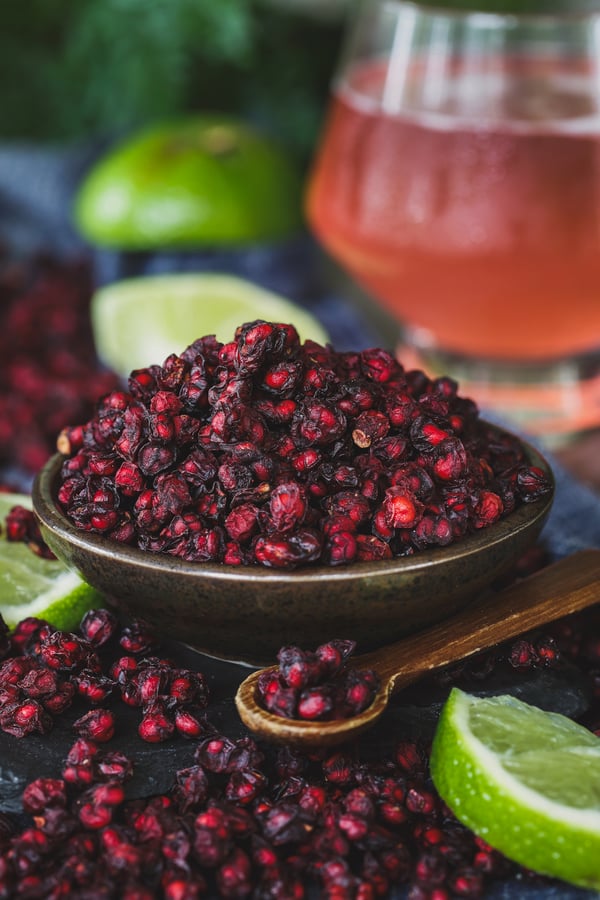
In the United States, we mostly work with the berries for their wellness-supporting qualities. However, in places where it grows, the young leaves are often eaten or made into teas.
Tips for Sourcing Schisandra
Mountain Rose Herbs sources organic certified Schisandra berries from its native lands in China. Each lot is carefully tested to ensure quality and purity, and if it does not meet our quality standards, we reject the material, and it never makes it to your wellness cabinet or store shelves. Over the years, we have rejected several lots that contained pesticide residue. This is to say that schisandra is prone to pesticide contamination and is one you want to source certified organic and from a company you trust.
How to Use Schisandra Berries
- Herbal decoction (strong simmered teas)
- Tinctures
- Syrups
- Glycerites
- Vinegars
- Topical skin toners (Recipe coming soon!)
- Non-cystic acne spot treatment
- Aging skin support serums
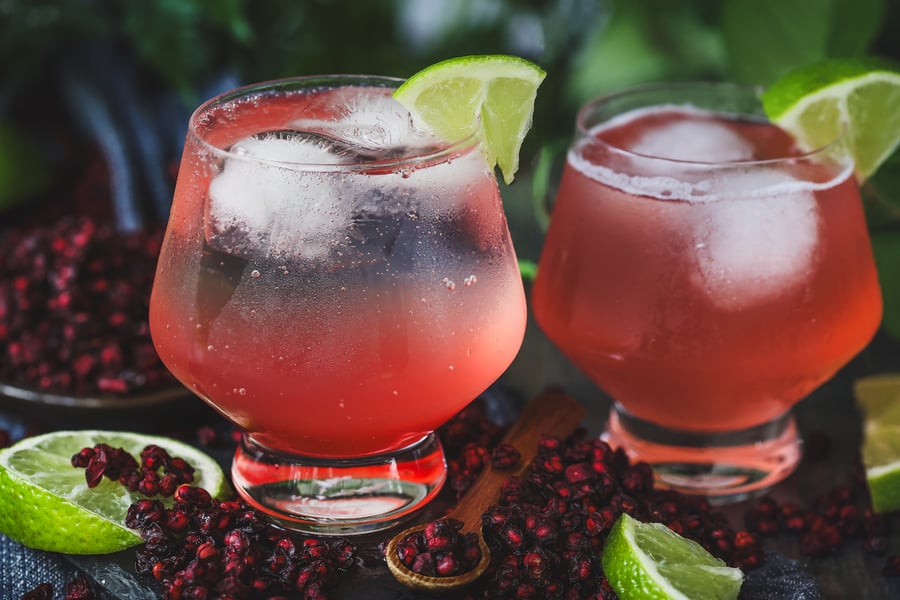
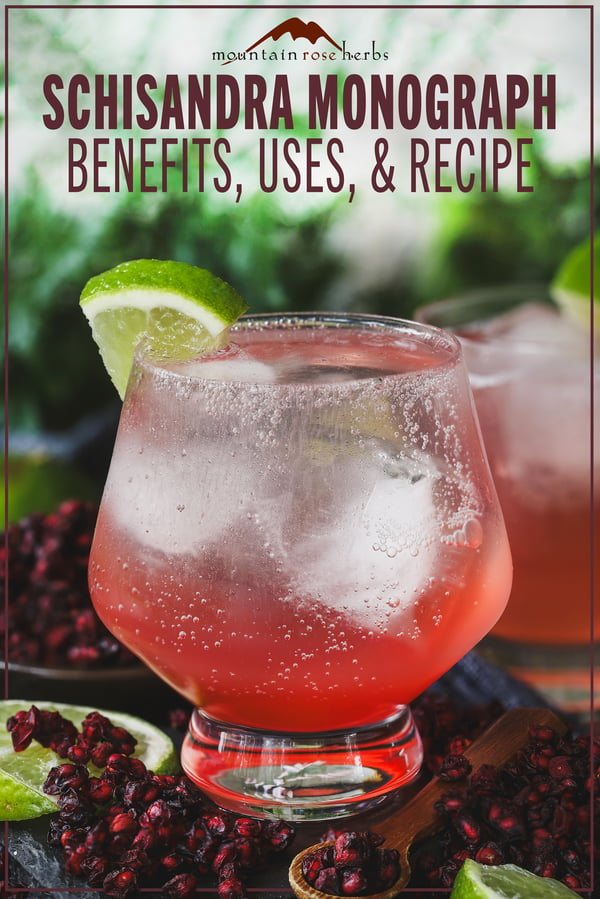
Five Flavor Mocktail with Schisandra
Schisandra berries are known for having sweet, sour, salty, bitter, and umami flavors, all in one berry. This makes it an exceptional ingredient for crafting complex mocktails!
Makes about 2 1/2 cups of syrup.
Schisandra Ginger Simple Syrup
Ingredients
- 2 cups filtered water
- 1/2 cup organic schidandra berries
- 1/8 cup organic ginger root (dried or fresh)
- About 3/4 cup organic sugar
Directions
- Add water, schisandra berries, and ginger root to a saucepan over medium heat.
- Bring to a boil, then place lid on and reduce to a simmer.
- Let simmer for 15 minutes.
- Remove from heat and let infuse for another 10 minutes, allowing it to partially cool.
- Strain plant material out and measure your remaining liquid. It should be about 1 1/2 cups.
- Add infusion back to the saucepan and add half the amount of sugar. In other words, you want twice as much infusion as sugar, so 2 parts infusion to 1 part sugar.
- Stir in sugar until fully dissolved. If your syrup got too cool, you can reheat it to help the sugar dissolve.
- Bottle your syrup and allow to cool completely before putting lid on.
- Label with ingredients and date made.
Five Flavor Mocktail
Ingredients
- Ice
- 2 1/2 Tbsp. Schisandra Ginger Simple Syrup (recipe above)
- Filtered water or bubbly water to taste.
Directions
- Add ice to your favorite mocktail glass.
- Pour simple syrup in, followed by water or bubbly water.
- Gently stir and taste. Adjust syrup to your liking.
- Garnish with a lime and/or an herbal glass garnish.
Precautions for Schisandra Berries
Do not use when nursing or if you have stomach ulcers or high stomach acid. As with all herbal products, we recommend that you consult with a qualified healthcare practitioner before using herbal products, particularly if you are pregnant, nursing, or on any medications.
Looking to Learn More About how to work with herbs?
Check Out This Herbal Preparations Guide
You may also be interested in:
- American Ginseng Monograph + Ethical Usage
- Oregon Grape Root Monograph: Botany and Benefits
- Bee Balm Monograph + Herbal Steam Recipe
*These statements have not been evaluated by the Food and Drug Administration. These products are not intended to diagnose, treat, cure, or prevent any disease. We recommend that you consult with a qualified healthcare practitioner before using herbal products, particularly if you are pregnant, nursing, or on any medications. For educational purposes only.