

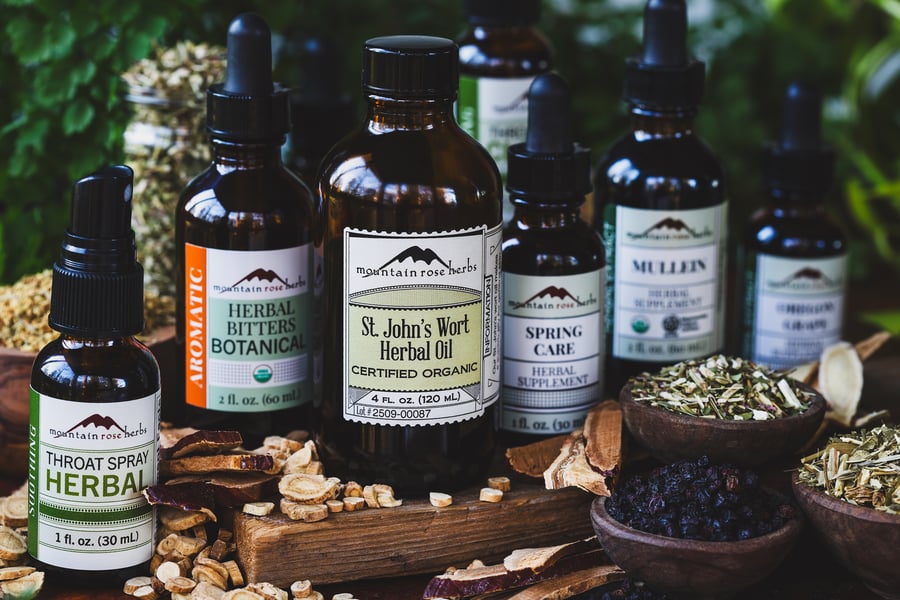
A few weeks back, I wound up catching a “bug” that really took me out. While I’m usually pretty prepared for most things that may come up in my household, I didn’t have what I needed when I needed it. I was in no condition to be making medicine or trying to source it. With a high fever and intense fatigue, it was hard to even think straight, let alone try to guide someone else to find what I needed or make me something.
After feeling better, I set aside some time to recreate my wellness kit to account for this oversight. I also began a new labeling system so that my family will know what to do if I’m not there, or if they are the ones needing to care for me. While on this journey, I thought I would share my process for building out a well-thought-out wellness kit as well as some labeling ideas you may want to explore. In this article, I will lay out some of the core types of support you may want to have in your wellness kits and a list of some of my general wellness kit must-haves so you can explore them further and determine if they may be right for your personal needs.
Immune & Symptom Support
- Immune Tonics (Herbs you take to strengthen your overall immune system through "sniffle season")
- Immune Stimulants (Herbs that kick your immune system into gear when needing further support.*)
Symptom Supports
- Headache: Anti-inflammatories, stress supports, hydration support
- Fever: I like to let a fever take its course, but some may choose to help regulate body temperature. Especially if the fever is causing other issues.
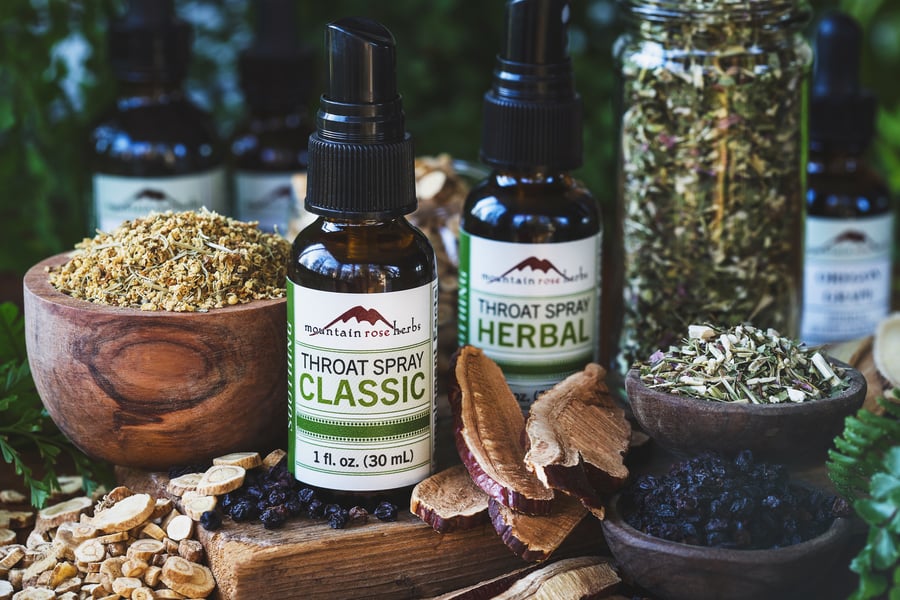
- Sore Throat: Demulcents
- Dry Cough: Demulcents
- Wet Cough: Astringents
- Coughing fits: Antispasmodics
*Be mindful of autoimmune conditions. Always recommend consulting with a qualified healthcare practitioner if you are unfamiliar with an herb, and especially when you have underlying health imbalances.
Digestive Support
- General and Sluggish Digestion: Bitters
- Gas and Bloating Relief: Carminatives
- Cramp Supports: Antispasmodics, tension release herbs
- Irritated Digestion: Demulcents and Astringents for different types
- Constipation: Demulcents, Fiber
Topical Herbal Supports
- Cuts: Cleansing and softening of skin to help with natural healing
- Bruises: Support with discomfort and blood flow in area of trauma
- Bites: Cleansing, drawing, and softening of skin for natural healing to occur
Allergy Support
- Rashes and itchiness: Cooling and demulcent herbs
- Sniffles: Astringents
Muscular Comforts
- Aches: Circulation support to assist the body in natural repair
Stress Support
- Anxiousness: calming herbs
- Stress-induced mental fog: calming herbs and mental clarity herbs
Knowing When To Seek Professional Support
When working with herbs for wellness, it's important to know them well and to know when it's time to call in more support. Herbs can support the body in many of its natural processes, but when symptoms are persistent, worsen, or are similar to more serious underlying conditions, it's important to seek medical attention.
The herbs listed in this article are intended to support the day-to-day minor things that happen in our bodies. Always consult a qualified practitioner if you have underlying health conditions or if you are new to working with herbs.
Labeling Your Herbal Preparations
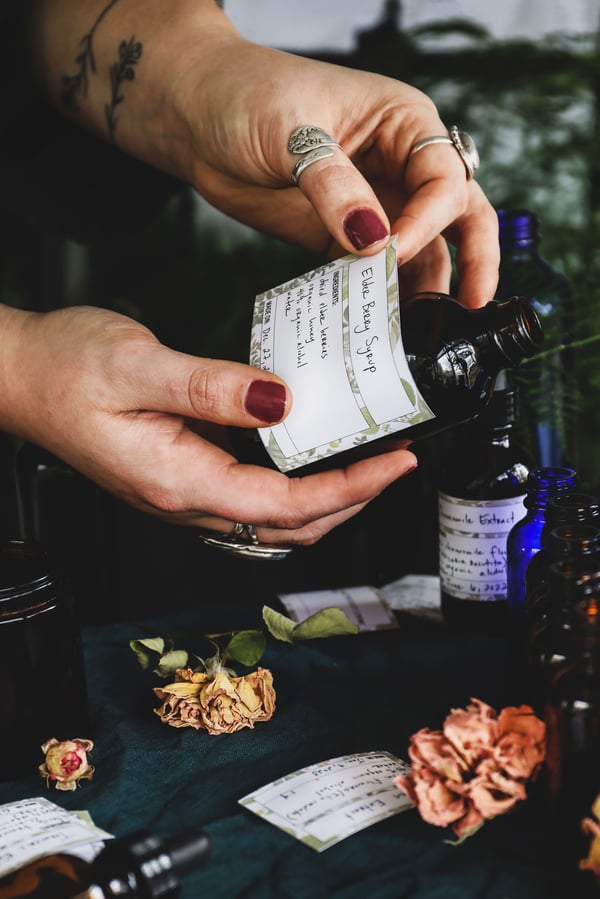
You’ve likely heard this a million times; it's so important that it is worth mentioning yet again. Label your homemade herbal remedies. The names of the ingredients and the date they were purchased/made are of the highest importance. You can also include other identifiers that you may want some help seeing at a glance. You can use color or symbols for an easy way to spot and grab things. Or you can create a digital spreadsheet with more notes you may want for help remembering or that may help others help you when you are in need. You can then create a QR code and put it on the bottle in the spreadsheet so anyone can find it.
Additional things to include for effective cataloging and reference:
- Body systems/symptoms the herb supports.
- Energetics of the herb (Hot, cold, dry, moist, tense, lax)
- How much to use in different scenarios? Consider age, body size, etc.
- Note on where you store the items in your home for easy retrieval.
- Contraindications/ when not to use it (consider a different color or storage location for things that may be more medicinal or that you would be concerned with someone taking by accident.)
- Space for ongoing note-taking as you gain more experience with each herb.
Tips for Organizing Your Wellness Kit
- Stay consistent with your naming convention. Do you label things based on their entire name or their base name (Is Wild Cherry Bark under "W" or "C"? Choose the best method for you to remember and stick to it.
- For those of us with pretty small homes, we know that not all of our supplies can be stored in the same place. To prevent misplacement, include a key showing where you keep certain things, or stay consistent on the types of things you store where. Maybe you sort by preparation types (bulk herbs in one place, tinctures in another, and topicals in another. Or maybe all "A-M" is in one area and "N-Z" in another. Make a plan for what works best for you and your given space.
- Do you want to organize alphabetically or by ailment? If the latter, how will you handle herbs that support several body systems or maladies?
- Be sure you have your herbs in a quickly usable form. If an herb is best in an extract form, that takes time and won't be available if you need it on the fly. The goal is to think ahead, especially with extracts.
- Once more, label, label, and label some more! It takes more effort up front, but will save you time when you're not feeling well or when you need something in a hurry. You will thank past you for the foresight.
Must-Haves in My Personal Wellness Kit
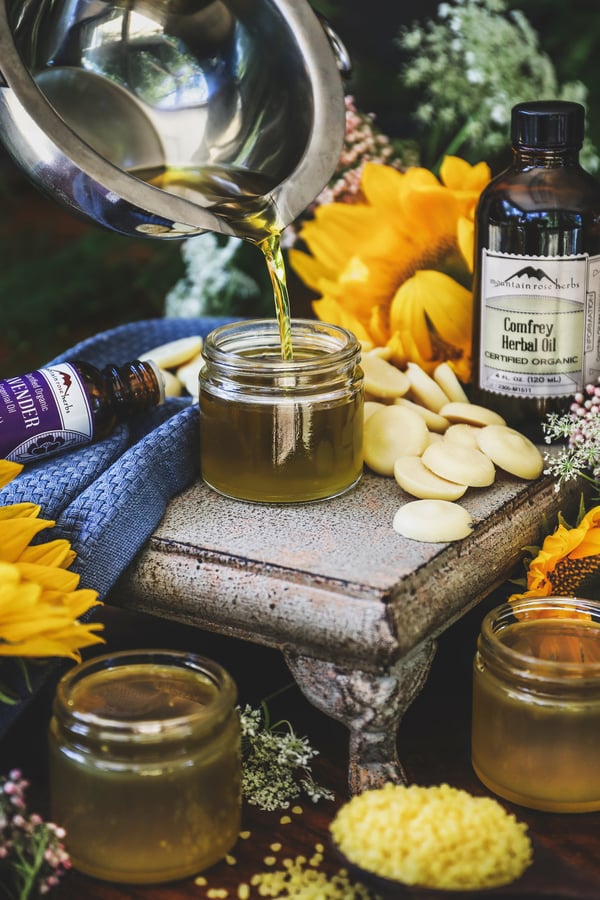
As I mentioned earlier, this list is simply a list of herbs I keep in my personal wellness cabinet at home. Exploring these further is a great way to learn more about these important allies and will hopefully serve as a starting place to create a well-rounded and thoroughly stocked wellness kit. I hope it is helpful for you, your family, friends, neighbors, and those in need.
- Aloe gel
- Bee balm
- Blackberry root
- Blue vervain
- Boneset
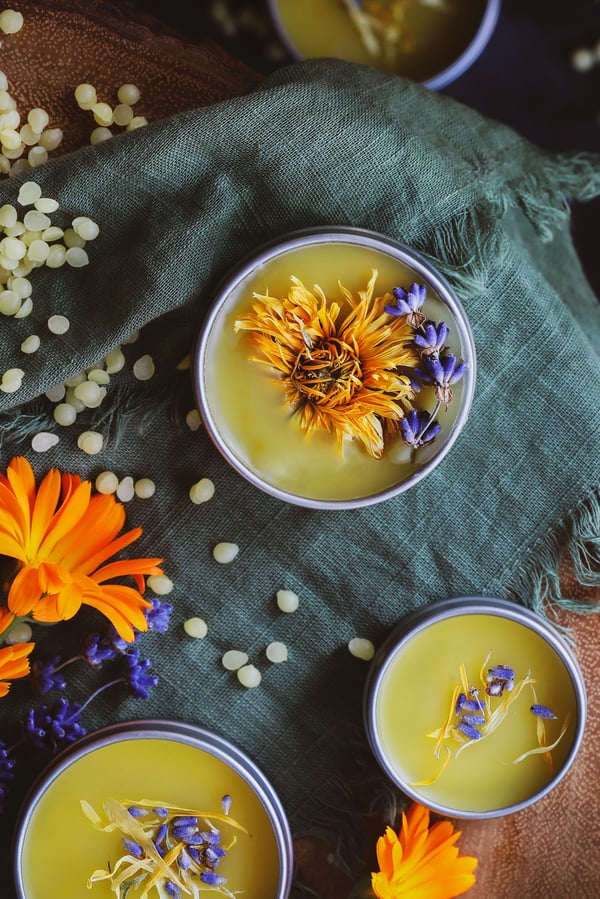
- Calendula flowers, oil, and salve
- California poppy
- Cramp bark
- Catnip
- Cayenne pepper
- Comfrey leaf, root, oil, and salve
- Echinacea purpurea
- Elderberry
- Ginger root
- Lemon balm
- Licorice root
- Lobelia
- Marshmallow
- Myrrh resin and extract
- Oregon grape root
- Osha
- Passionflower
- Peppermint
- Psyllium husk powder
- Rosehips
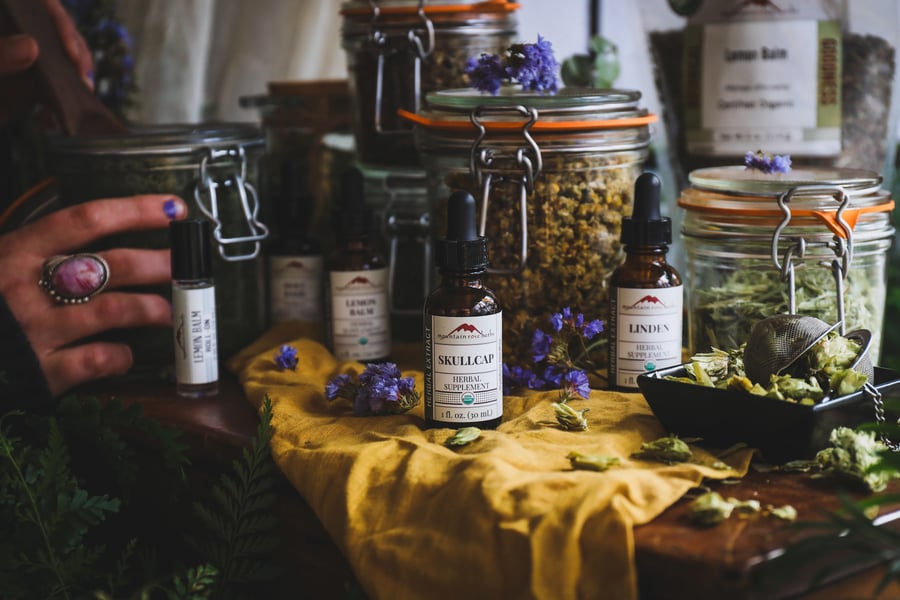
- Skullcap
- Slippery Elm Bark
- St. John’s wort oil and salve
- Usnea extract
- Valerian
- White willow bark
- Wild cherry bark
- Yarrow
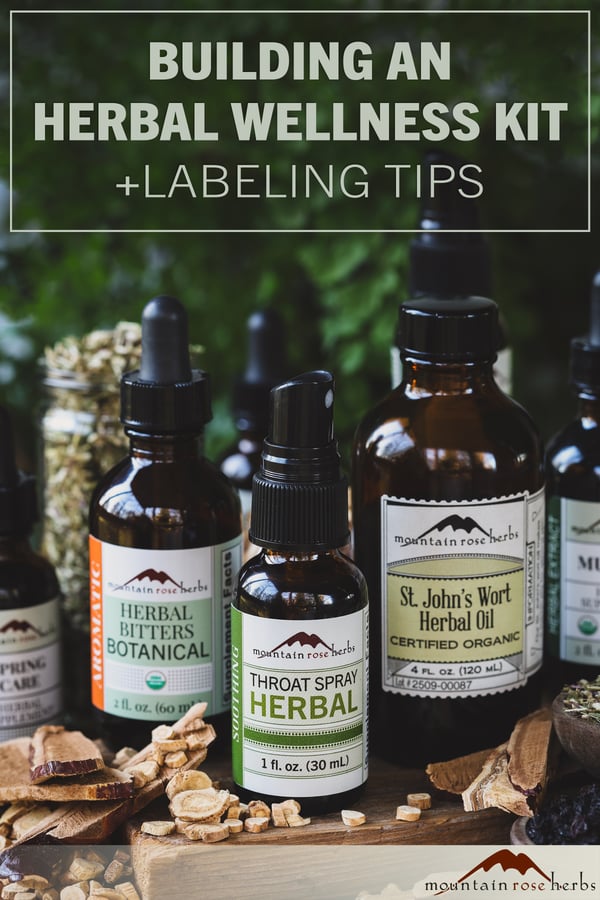
- Throat Spray Blend
- Ready-Made Bitter Extract Blend
Exercise Your Knowledge & Preparedness
Periodically run through some circumstances to see if you are prepared. Ask yourself "If have X, Y, and/or Z going on, do I have what I would need to support that?" This practice is incredibly valuable, even for experienced herbalists. It keeps our minds sharp and creates a "muscle memory" on what to do if the need arises. It can also spot holes in your wellness kit, like the one I found during my last bout with "the ick".
Happy planning and learning!
Want To Learn More About Herbalism?
Check Out This Article on The Basics of Herbal Preparations
+ How to Make Them
You may also be interested in:
- Guide to Basic Herbal Actions
- Herbal Pantry Reset for Fall & Winter Wellness
- Tips for Labeling Your DIY Herbal Remedies
*These statements have not been evaluated by the Food and Drug Administration. These products are not intended to diagnose, treat, cure, or prevent any disease. We recommend that you consult with a qualified healthcare practitioner before using herbal products, particularly for children or those who are pregnant, nursing, or on any medications. For educational purposes only.