
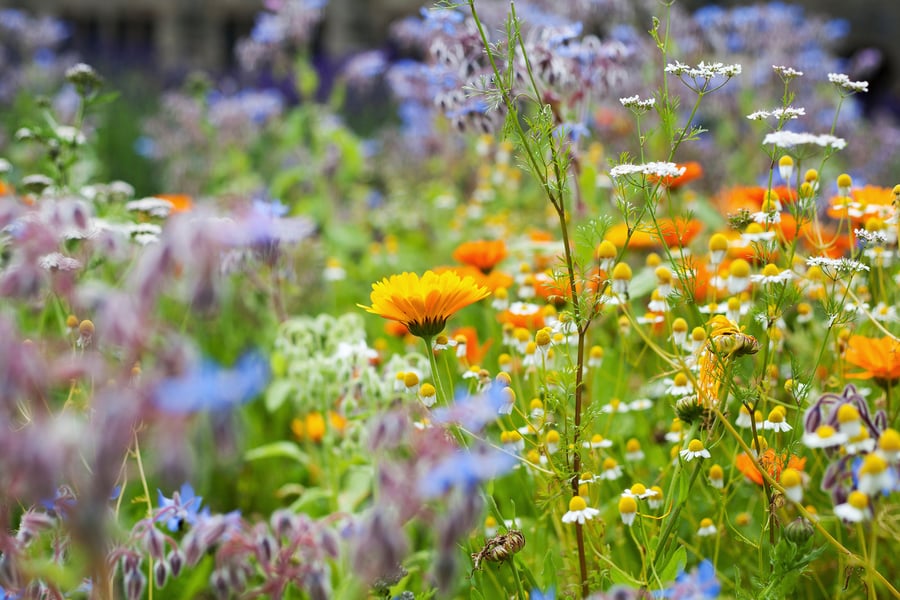
There’s a plethora of wonderful herbs that we can grow for health, beauty, and overall wellness. Some offer several culinary uses, and many of them attract pollinators and other beneficial insects into our gardens. There are herbs for every gardener, and for the most part, herbs are forgiving and easy to grow. You might start your gardening journey with simple herbal starts, like peppermint and calendula, purchased from a local greenhouse. After a few seasons and a little more experience under your belt, you might feel inclined to heighten the experience and try growing herbs from seed. I think this is the most rewarding avenue—planting a tiny, precious seed and caring for the plant throughout its life until harvest. While most herbs are still easy to cultivate this way, there are a few plants that are considered a bit more advanced. These more advanced herbs might require cold stratification, scarification, or may be more finicky about climate.

Helpful Terms
Cold Stratification
This process mimics a cold winter by exposing the seeds to cold and damp conditions for a period of time. The timeline can vary depending on the seed, but most are cold stratified for 30-90 days, with 60 being the most common timeline for perennials.
Scarification
This process includes nicking the seed coat to weaken the tough outer coat. This helps water better penetrate the seed.
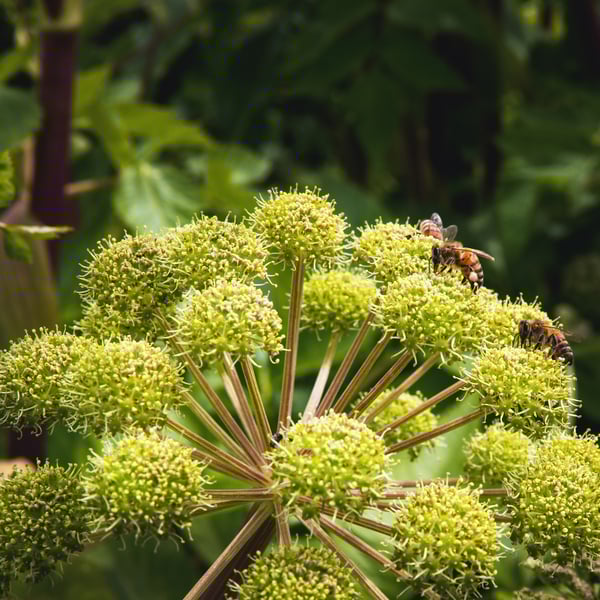
Angelica
Seed Starting Tips: Angelica seeds require cold stratification, and seeds must be fresh. They can be difficult to germinate. Seeds can also be surface sown in the garden in late autumn.
Wellness qualities: Digestive and respiratory support
Arnica
Seed Starting Tips: Germination can be tricky and slow; and it prefers specific acidic, sandy soils. Arnica seeds should be soaked for a few hours, then cold stratified for up to 8 weeks before planting.
Wellness qualities: Skin and muscle support
Ashwagandha
Seed Starting Tips: This powerhouse herb requires very warm soil to germinate and a long, hot growing season. Surface sow ashwagandha seeds indoors about 6-8 weeks before the last frost. Use a heat mat to keep the soil warm. Transplant into a full sun area.
Wellness qualities: Cognitive and stress support
Astragalus
Seed Starting Tips: Astragalus seeds require scarification and sometimes stratification for best results. Soak seeds for 24-48 hours before planting to improve germination.
Wellness qualities: Immune and cardiovascular support
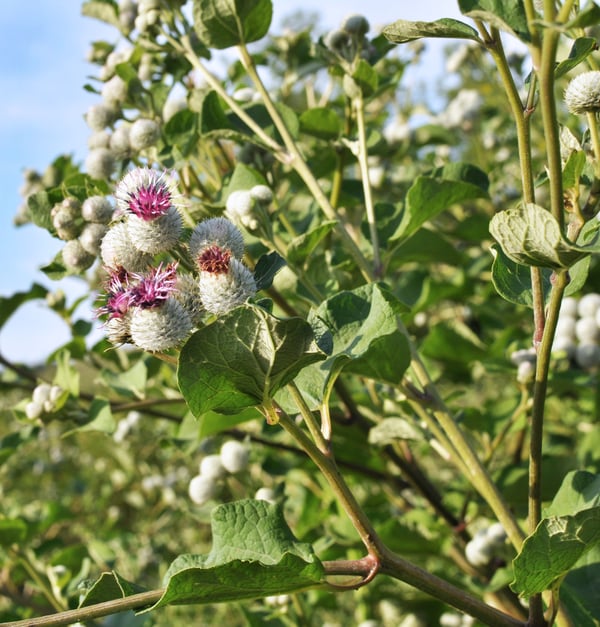
Burdock
Seed Starting Tips: While easy once growing, it has a massive taproot requiring very deep, loose soil. Direct sow burdock seeds in the garden in the late fall or early spring, 3-4 weeks before the last frost.
Wellness qualities: Liver and digestive support
Clary Sage
Seed Starting Tips: This plant often benefits from a period of cold to improve germination rates. Clary sage seeds should be surface sown as they require light to germinate.
Wellness qualities: Stress and respiratory support
Cleavers
Seed Starting Tips: Cleavers usually requires a period of cold stratification to sprout in spring. Either plant cleaver seeds in late fall, or stratify for around 30 days before planting. Plant seeds at a depth of 1/2 inch.
Wellness qualities: Lymphatic and urinary support
Comfrey
Seed Starting Tips: This plant is extremely hardy and will spread readily. Comfrey seeds should be stratified for 30-60 days before planting.
Wellness qualities: Skin and muscular support
Echinacea
Seed Starting Tips: Echinacea angustifolia or purpurea seeds typically require 4–12 weeks of cold stratification to germinate well. Planting in the fall is a great option. Once established, this perennial herb requires little care.
Wellness qualities: Immune and skin support
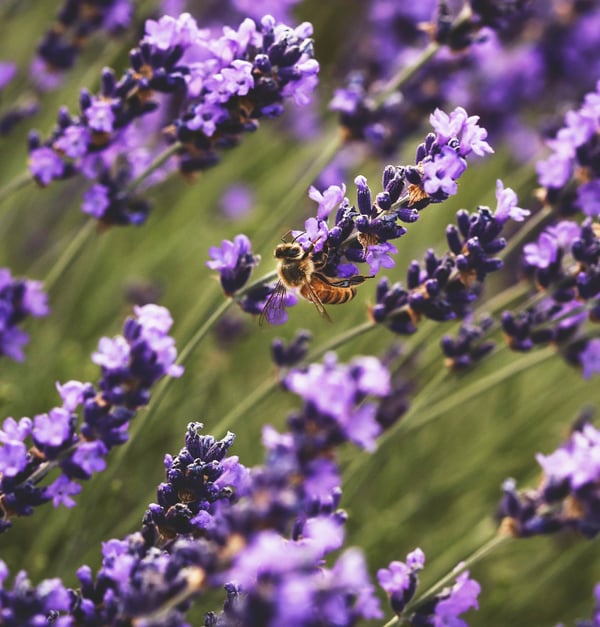
Lavender
Seed Starting Tips: This apothecary staple can be a bit difficult to grow from seed. Lavender seeds should be stratified for 3-4 weeks to improve germination. Seeds should then be surface sown.
Wellness qualities: Skin and sleep support
Lemongrass
Seed Starting Tips: Surface sow lemongrass seeds 6-8 weeks before the last frost. Soil must be kept warm, and seeds can take up to 35 days to germinate.
Wellness qualities: Immune and cardiovascular support
Licorice
Seed Starting Tips: Licorice requires a long growing season (3+ years) and deep, sandy soil to develop roots. Soak licorice seeds overnight before planting. They can take up to 30 days to germinate.
Wellness qualities: Digestive and oral care support
Marshmallow
Seed Starting Tips: This demulcent ally benefits from cold stratification and prefers very moist soil. Plant marshmallow seeds outdoors in late fall or stratify for 4-6 weeks before planting in spring.
Wellness qualities: Skin and digestive support
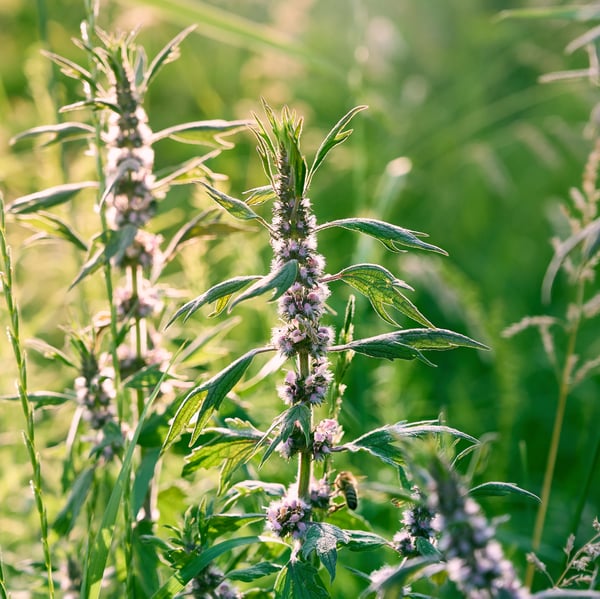
Motherwort
Seed Starting Tips: Motherwort seeds often require cold stratification for consistent germination. Once established, this is a very hardy, self-seeding perennial.
Wellness qualities: Stress and sleep support
Skullcap
Seed Starting Tips: Skullcap requires 2-4 weeks of cold stratification to break seed dormancy. Plant skullcap seeds indoors 6-8 weeks before the last frost. Seeds should be surface sown.
Wellness qualities: Stress and sleep support
Spilanthes
Seed Starting Tips: Surface sow spilanthes seeds about 4-6 weeks before the last frost. Soil must be kept warm and evenly moist for optimal germination.
Wellness qualities: Oral care and immune support
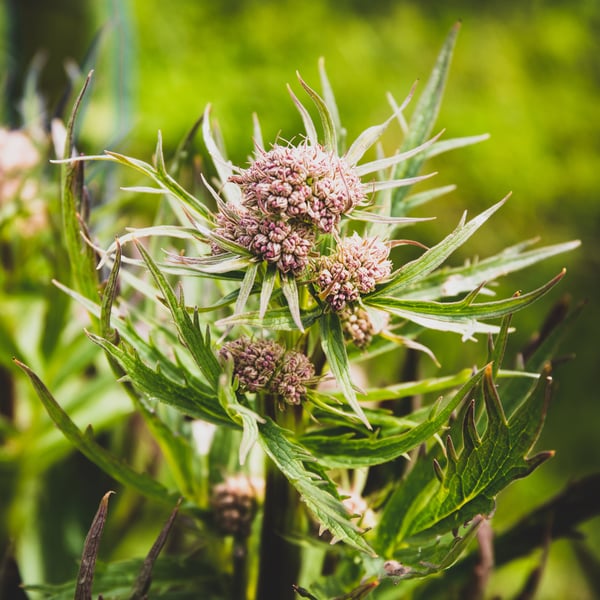
Valerian
Seed Starting Tips: Valerian seeds can be scattered in the garden in late fall or stratified indoors and then surface sown about 4 weeks before transplanting out.
Wellness qualities: Stress and sleep support
Gardening herbs can help us deepen our connection with plants and also give us access to fresh wellness-supporting ingredients when we need them. What will you be growing this year?
Want to learn more from bevin cohen?
You Can Find Him at SmallHouseFarm.com
You may also enjoy:
- Learn About the Benefits of Companion Planting with Herbs
- Bringing Plant Diversity and Natural Pest Solutions to the Garden
- How to Substitute Fresh Herbs for Dried Herbs