
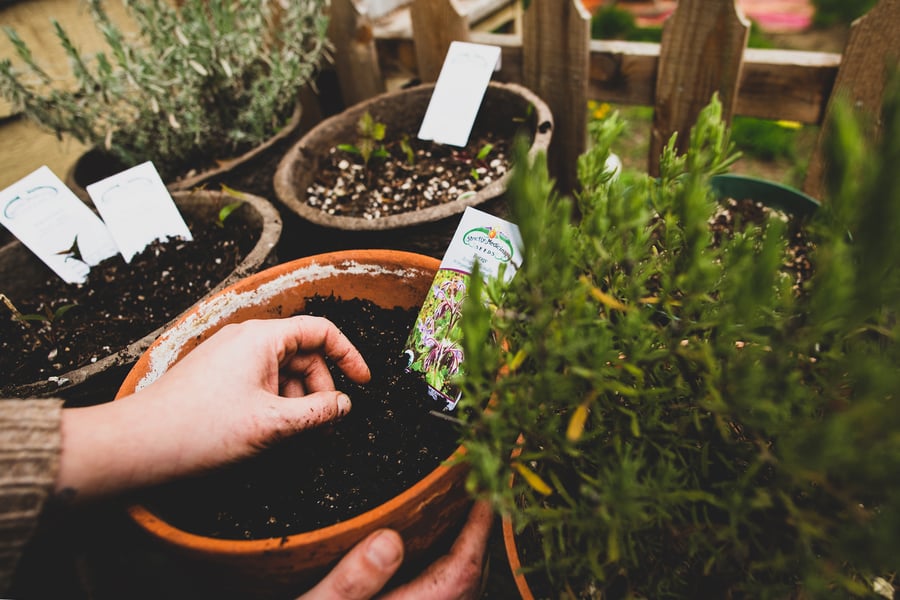
Growing our own medicinal herbs can be fun and rewarding. At times, it can also be challenging. Luckily, there are plenty of wonderful medicinal herbs that are easy even for the most novice growers to succeed. If you’re new to herb gardening, this article is for you! Then, as your confidence grows and your thumb becomes greener, challenge yourself to cultivate more advanced herbs, and before you know it, you’ll have a thriving and diverse herb garden ready to provide fragrant and healing harvests for every need.
Easy Wellness Herbs to Grow in the Garden + Tips & Benefits
These herbs are some of my favorite resilient and easy to maintain herbs. They are perfect for the beginner gardener, but are also well-loved by even the greenest of thumbs.

Anise Hyssop
Seed Starting Tips: Start anise hyssop seeds indoors 8-12 weeks before the last frost. Surface-sow seeds on moist, well-draining soil, as they require light to germinate. Anise hyssop often reseed itself and are quite hardy.
Wellness qualities: Digestive and respiratory support
Basil
Seed Starting Tips: Sow basil seeds about 1/4 inch deep, 6-8 weeks before frost. Easy to grow from seed. Basil is a very cold-sensitive plant, so it should be transplanted into the garden after the threat of frost has passed.
Wellness qualities: Digestive and stress support
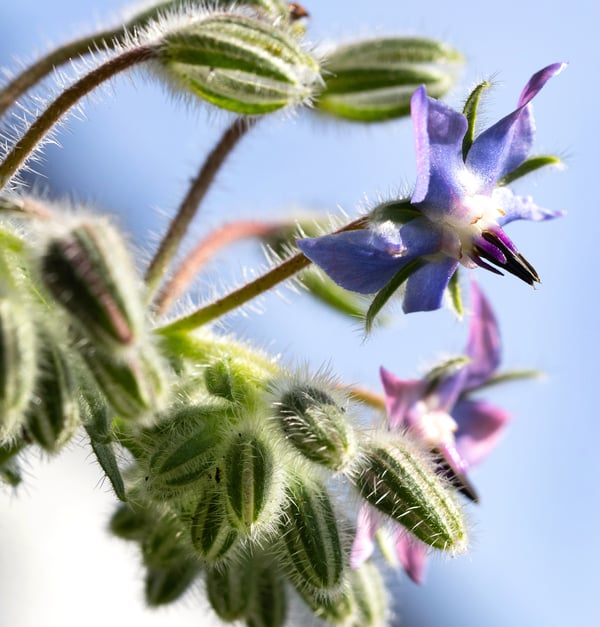
Borage
Seed Starting Tips: Fast-growing annual that often self-sows. Direct sow borage seeds in garden after last frost.
Wellness qualities: Skin and mobility support
Calendula
Seed Starting Tips: Calendula is a hardy annual and is very easy to grow from seed. One of my favorites, in fact! Direct sow calendula seeds 3-4 weeks before last frost. It is a cold tolerant plants thrive in early spring and autumn.
Wellness qualities: Skin and oral care support
California Poppy
Seed Starting Tips: California poppy thrives in poor soil and is very drought tolerant. Scatter California poppy seeds on surface of the soil in fall or early spring.
Wellness qualities: Stress and sleep support
Catnip
Seed Starting Tips: This hardy perennial grows vigorously. Start catnip seeds indoors 6–8 weeks before the last frost, sowing them on the surface of the soil. Keep moist until seeds germinate in 7-14 days.
Wellness qualities: Digestive and stress support
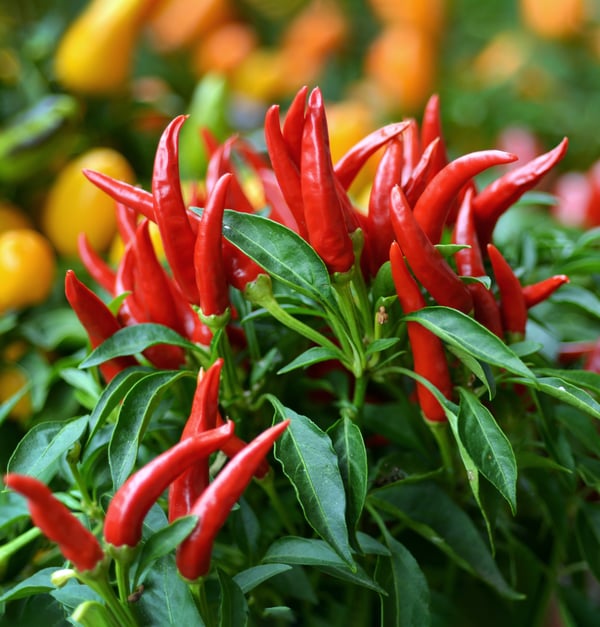
Cayenne Pepper
Seed Starting Tips: Start cayenne seeds indoors 6-8 weeks before last frost. Heat loving plants shouldn’t be transplanted into the garden until threat of frost has passed and soil temps have warmed to at least 50°F.
Wellness qualities: Circulatory and metabolism support
Chamomile
Seed Starting Tips: This well-loved plant germinates easily and often reseeds itself. Surface sow chamomile seeds about 6 weeks before last frost or in late fall the previous season.
Wellness qualities: Digestive and sleep support
Chickweed
Seed Starting Tips: A common garden "weed" that is exceptionally easy to grow, chickenweed thrives in cool weather. Chickweed seeds should be surface sown about 4 weeks before last frost.
Wellness qualities: Digestive and nutritive support
Cilantro
Seed Starting Tips: Cilantro grows quickly in cool weather, though it bolts fast in heat. Plant cilantro seeds frequently to have a steady supply.
Wellness qualities: Body cleansing and mobility support
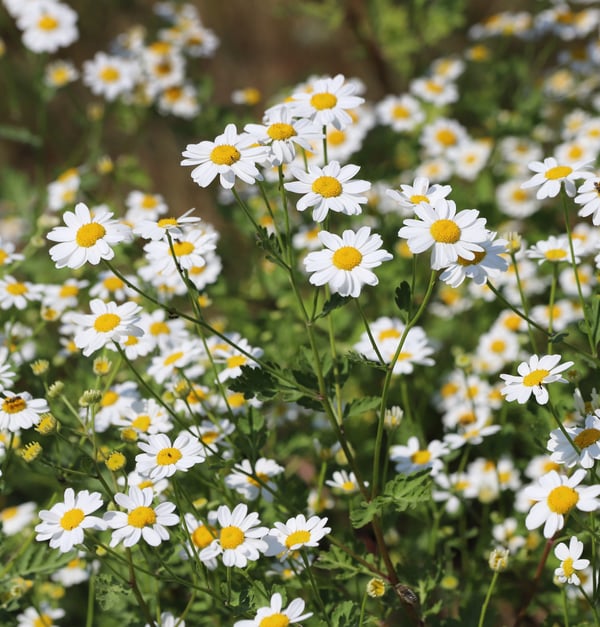
Feverfew
Seed Starting Tips: This hardy perennial that is generally low maintenance once established. Surface sow feverfew seeds indoors about 6-8 weeks before last frost.
Wellness qualities: Digestive and Head discomfort support
Lemon Balm
Seed Starting Tips: This apothecary staple is very hardy and easy to grow. Lemon balm seeds can be started indoors about 6-8 weeks before frost or direct sown in spring.
Wellness qualities: Digestive and stress support
Mullein
Seed Starting Tips: Mullein hardy biennial that thrives in dry, gravelly soil. The tiny seeds of mullein should be surface sown.
Wellness qualities: Respiratory and immune support
Parsley
Seed Starting Tips: This biennial herb can be a bit slower to germinate. Soak parsley seeds in warm water for a few hours before planting to improve germination.
Wellness qualities: Immune and bone support
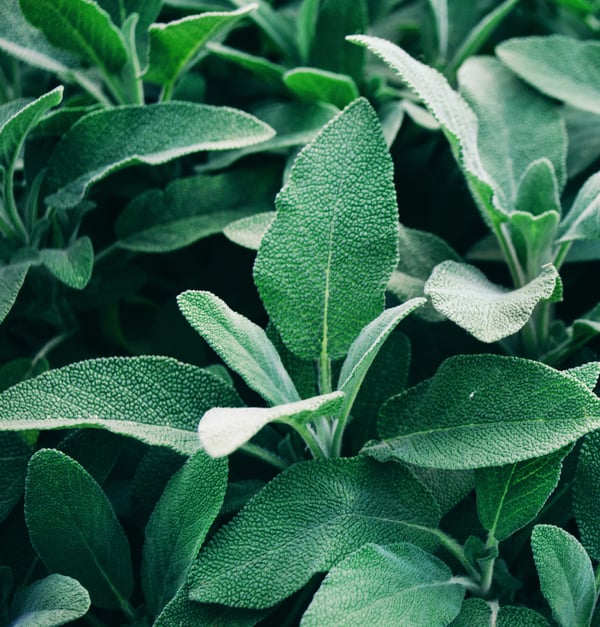
Sage
Seed Starting Tips: This hardy perennial requires little care once established. Start sage seeds indoors 8-10 weeks before last frost date.
Wellness qualities: digestive and cognitive support
Tarragon
Seed Starting Tips: Tarragon seeds are a bit slow to germinate and should be started 6-8 weeks before last frost.
Wellness qualities: Digestive and sleep support
Thyme
Seed Starting Tips: This drought-tolerant herb requires little care once established. The tiny seeds of thyme are slow to germinate and should be planted 8-10 weeks before transplanting out into the garden.
Wellness qualities: Respiratory and digestive support
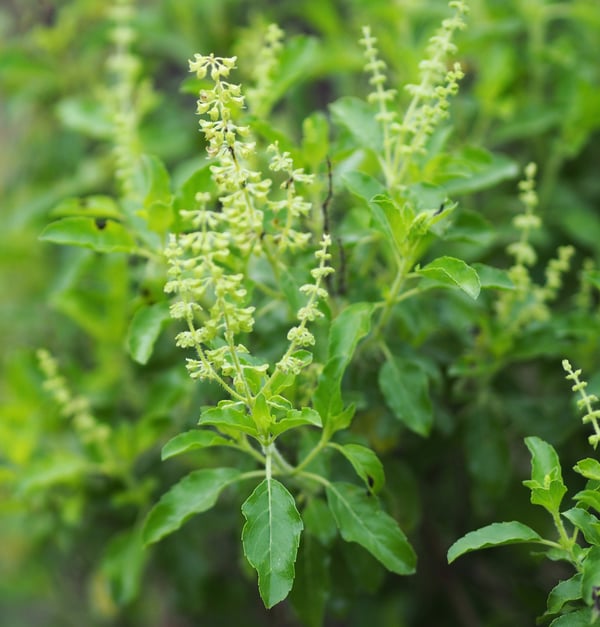
Tulsi (Holy Basil)
Seed Starting Tips: Start tulsi seeds indoors 4-6 weeks before frost. Is a perennial in areas without freezing winters.
Wellness qualities: Immune and digestive support
Wormwood
Seed Starting Tips: A very hardy perennial that can handle poor soil. Surface sow wormwood seeds indoors about 8-10 weeks before last frost. Keep soil evenly moist until germination.
Wellness qualities: Digestive and immune support
Yarrow:
Seed Starting Tips: Yarrow is extremely drought-tolerant and spreads readily. Surface-sow yarrow seeds and make note that it can take up to 12 weeks for it to sprout.
Wellness qualities: Skin and digestive support
*Many of these plants have several species, which may have specific needs. These tips are based on my general experience with these plants.
Want to learn more from bevin cohen?
You Can Find Him at SmallHouseFarm.com
You may also enjoy:
- Learn About the Benefits of Companion Planting with Herbs
- Bringing Plant Diversity and Natural Pest Solutions to the Garden
- How to Substitute Fresh Herbs for Dried Herbs
* It is always recommended to check in with your personal health care provider when adding new herbs and supplements to your daily routine.