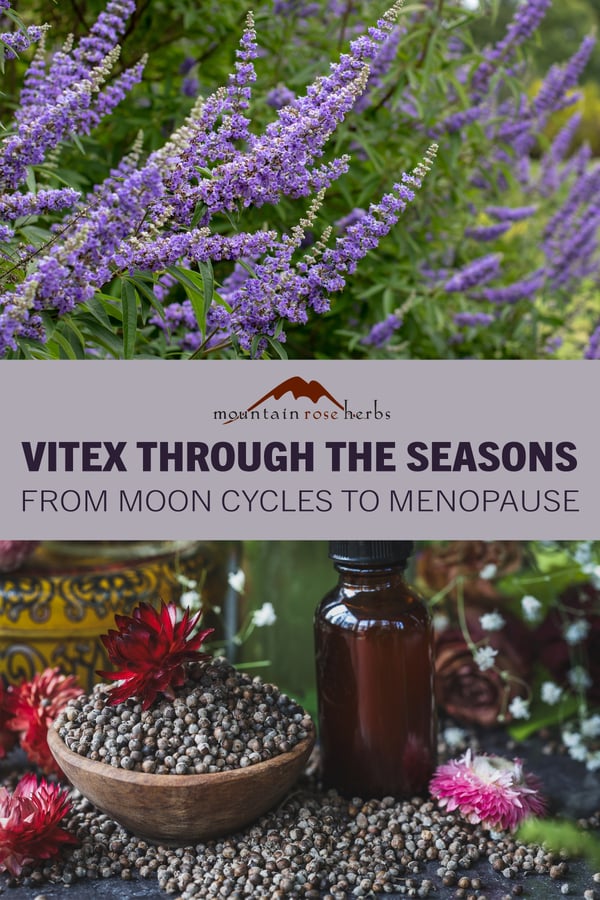

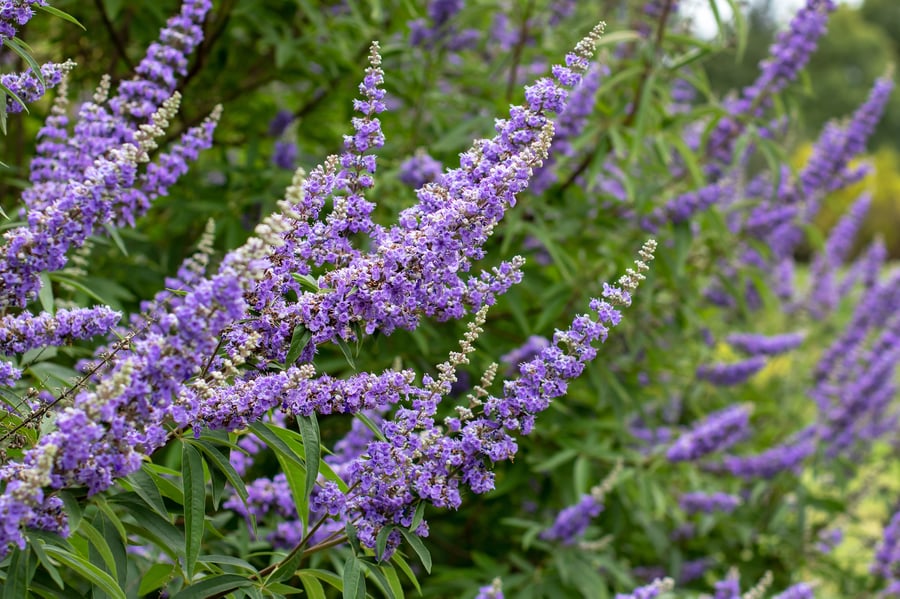
At a Lammas harvest celebration one summer evening, I gazed up at a towering vitex beside a weathered chestnut-board barn. Violet flower spikes were alive with bees. I rubbed a few of the delicate palmate leaves between my fingers and breathed in the earthy scent.
The farm matriarch drifted over and paused beside me, iced mint tea in hand. “You like it?” she asked, lifting her cup.
“It’s the largest vitex I’ve ever seen,” I said. “I tincture the berries in the fall for my apothecary.”
She tipped her chin toward the branches. “Help yourself. We’ll never use them all.”
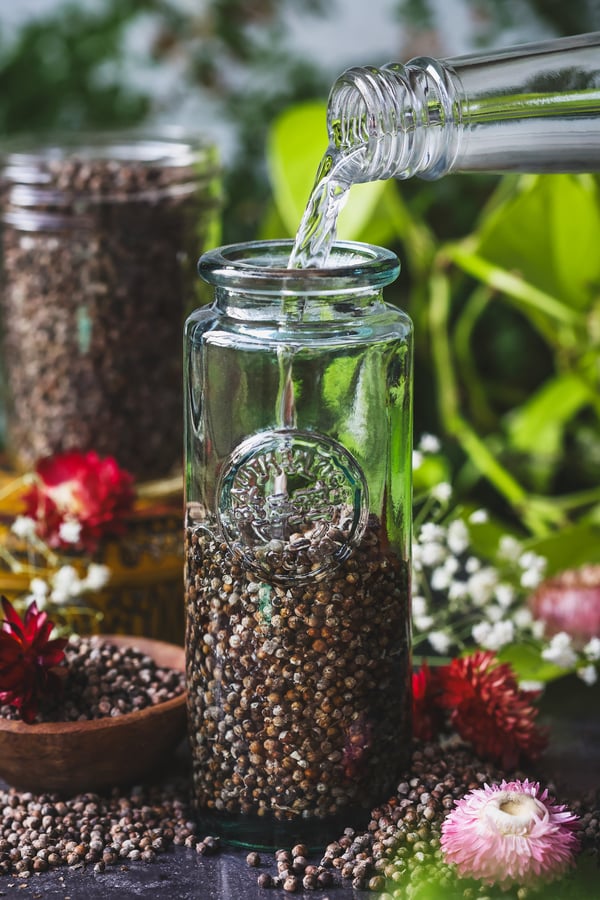
The branches were heavy with berries when I returned with baskets and made tincture for the women in my community.
Thirty years later, I still delight in crafting fresh-berry tincture each fall.
From Temple Tales to Tincture Bottles
Botanically, it’s known as Vitex agnus-castus. People sometimes call it monk’s pepper or chasteberry, pointing to ancient lore about dampening desire in men. Some accounts from antiquity describe Greek women strewing vitex sprigs around Demeter’s temple—and tucking the pungent leaves into bed linens to deter unwanted advances.
Across Mediterranean and West Asian traditions, vitex has a long history as a women’s tonic—especially for menstrual and gynecological concerns.
I know vitex as a steady ally across the seasons of a woman’s life—and there’s always a tincture bottle in my medicine chest at home. Here’s how I’ve walked with her in my own life—from moon cycles to menopause.
Menstruating Years—Lunar Ebb and Flow
I first started taking vitex tincture to support my menstrual cycle in my early 20s. My periods had always wandered in and out of step with the moon—sometimes two weeks apart, sometimes two months.
I was drawn to the way vitex seems to speak the body’s tidal language. Vitex is said to act via the pituitary—an upstream nudge that helps coordinate hormonal rhythm as estrogen and progesterone rise and recede with follicle development and corpus luteum activity.
Vitex is slow-acting. Think long term: in months or years, not days or weeks.
When cramps flared, I reached for other in-the-moment allies (motherwort tincture, catnip tea, or a hot water bottle). Vitex, though, became the backdrop that supported the full arc of my cycle, which over time eased and shifted more into sync with the moon.
Menopausal Years—Nature’s Rhythms Within
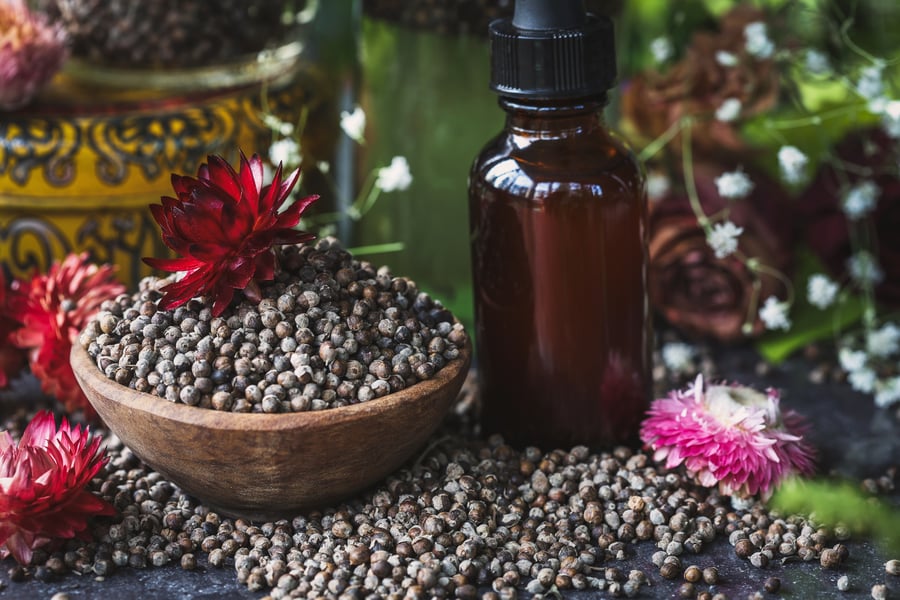
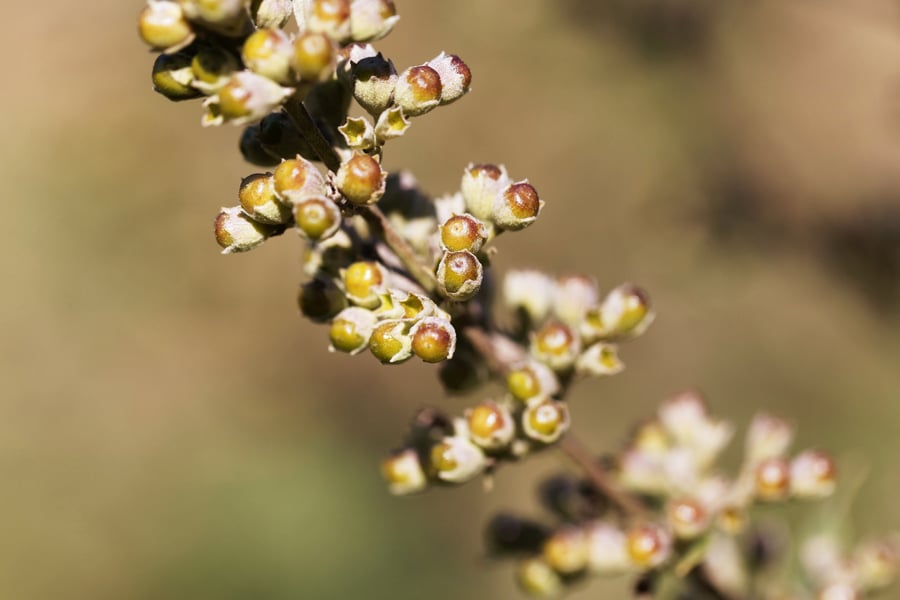
Over the years, as my dreams took root—a stable home, land under my feet, an ever-broadening web of women to teach and tend—I planted vitex shrubs of my own. Spring unfolded the leaves; summer hummed with purple blossoms; autumn ripened into those rich brown berries that scent the hands and stain the jars.
Another decade passed, and my vitex bushes matured—so did I.
In perimenopause, mood swings flared, bleeding intensified, and hot flashes swept through in the night. I turned back to vitex as a daily ally—ever grateful to work with the fresh berries in my corner of the Blue Ridge Mountains, just warm enough for her to thrive.
With vitex in the background, I felt steadier—fewer heat surges and a grounded center—as I shifted from cycling with the moon to carrying the seasons within.
Living the Seasons—Body, Heart, and Earth
Vitex is a beautiful, dark, aromatic berry—to me, it’s the scent of women’s mysteries.
It reminds us of what our foremothers knew in their bones: we are of the earth and the moon. Honoring every age and stage, we can embrace our natural rhythms—body and heart.
Perhaps this year you too will encounter vitex—whether out on the farm or in your own apothecary. May the purple blossoms and dark berries of vitex meet you right where you are, with the moon as your witness and the seasons as your guide.
A note of caution: Because vitex influences hormonal rhythms, it’s generally not used with hormonal birth control and is discontinued upon pregnancy. Check with a qualified practitioner if you’re lactating, taking medications, or have hormone-sensitive conditions.
If the wisdom of the seasons calls to you —
If you would like to explore how the year’s outer cycles mirror our inner landscape —
I’ll be offering a free community session on the 8 Seasons of the Wise Woman Path.
We’ll gather to connect, reflect, and remember.
Learn More About This Free Offering & Sign Up Here!
- Natural Ways to Support Menstruation + Tea Blend
- How to Make Nourishing Herbal Infusions
- 3 Magic Moon Milk Recipes for Restful Sleep