
Let’s talk about the elephant in the room for a second.
Every year, a lot of us say we want to eat better. We want to use more herbs. We’ve read the articles, seen the posts, and we already know herbs are good for us. And at the same time, there’s a quiet voice in the back of your mind saying, this probably isn’t going to stick.
Maybe you’ve tried before. Maybe you bought the herbs, and they’re still sitting there, or maybe you like the idea of drinking herbs, but if we’re being honest, a lot of them taste bitter. They don’t match the flavors you’re used to, and it starts to feel like work instead of something that fits into your day. This isn’t going to be another blog telling you what you should be doing, or trying to shame you into changing everything at once.
This is more like a best-friend conversation. I’m a mom of three. I homeschool and run a business. I don’t have endless time to prep, plan, or chase an ideal lifestyle. Most days, I’m doing the same thing you are: feeding people, getting through the day, and trying to make choices that are realistic.
So, what I want to share are ways to eat and drink more herbs that actually work in real life. Things you can do where you already are. Nothing fancy or extreme. Small shifts to build momentum so herbs become part of your everyday routine instead of another thing you feel behind on. And yes — these ideas work well for busy households, picky eaters, and people who want their food to still taste good.
Most people struggle to use herbs consistently for a few simple reasons:
- They think herbs have to be separate from food
- They think they have to taste medicinal
- They think it has to start all at once
The tips below work because they move herbs into things you already do, already eat, and already drink.
Tips for Eating More Herbs
Most people don’t need more herbs, they need more repetition. If you cook at all, you already have herbs. The spices in your kitchen count. Parsley, cinnamon, ginger, garlic, thyme — these are herbs. Using them a little more often and a little more intentionally already moves the needle.
Start by using the herbs you already cook with more often. Most people think “using more herbs” means buying something unfamiliar. In reality, it usually means using parsley instead of letting it wilt in the drawer. Adding cinnamon to breakfast instead of only baking with it. Reaching for thyme, garlic, ginger, or bay leaves more consistently instead of occasionally.
This alone increases how often herbs show up in your meals without changing what you eat.
Easy Practices to Increase Herbs In Your Diet
- Add a handful of chopped parsley to salads.
- Include extra herbs stirred into soups.
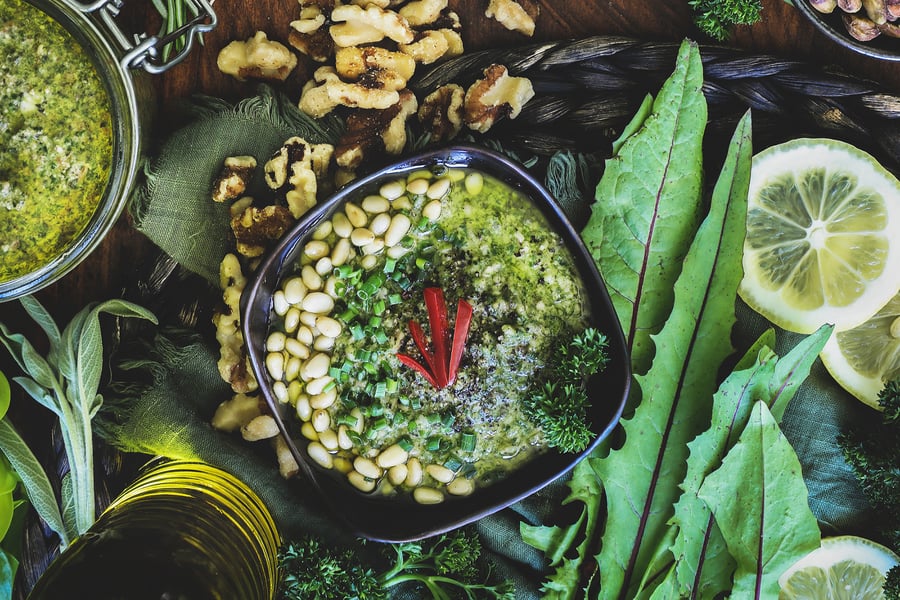
- Substitute half the basil in pesto for dandelion, chickweed or another plant that you’ve been wanting to try.
- Add spices earlier in cooking AND at the very end.
- If you use oil, let it be herb-infused, if you use vinegar, same thing.

Make Drinking Herbs Pleasurable to Your Palate
If drinking herbs feels hard, it usually comes down to flavor and timing. You don’t need to sit down with a mug of something you don’t enjoy; there are many more options at your disposal. One of the easiest ways to drink herbs more consistently is to prepare them ahead of time and use them in place of something you already drink.
Overnight infusions are one example. Make them once, let them sit, strain them, and keep them in the fridge. Then use that liquid throughout the day instead of plain water. You can even make a double batch and freeze half into ice cube trays. Add them to juice, sparkling water, or a tea you already like.
Another option is keeping a simple syrup or oxymel in the fridge. Try something mild, and most importantly, that you’ll enjoy. A spoonful a day works better than a tea you avoid.
Let Broth Do the Work for You
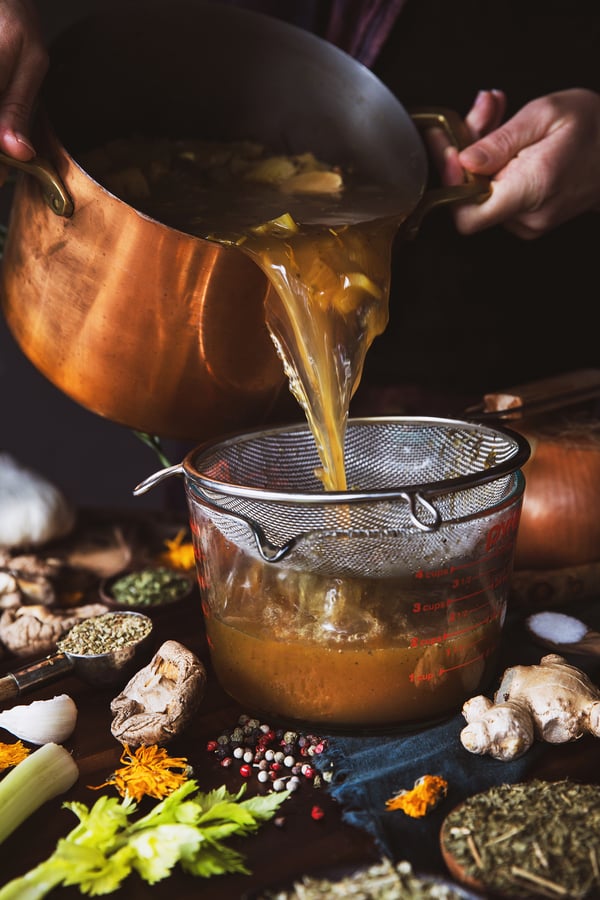
One of the easiest ways to eat and drink more herbs is to stop thinking about them separately from food. Broths do this naturally. Vegetable broth, herb broth, and mushroom broth all work here. These already include herbs, and they slide into meals without effort. Use them in place of water when cooking rice, grains, soups, or even savory oatmeal.
When herbs are part of the base, you don’t have to remember to “add them later.” They’re already there. This is especially helpful for busy households, because one pot of broth can be used across several meals. You can make broth in an instant pot to save you even more time—and yes, it can be frozen or even dehydrated to make it last longer.

Add Herbs Where No One Notices (Including Kids)
If you’re feeding other people, especially picky ones, herbs don’t have to be obvious. Finely chopped herbs disappear easily into sauces, dressings, soups, and ground foods. Dried herbs blend into meals without changing texture. Mild herbs mix well into foods your family already eats. This allows you to incorporate herbs in ways that won’t create resistance. Over time, familiarity grows, and familiarity is usually what makes herbs stick.
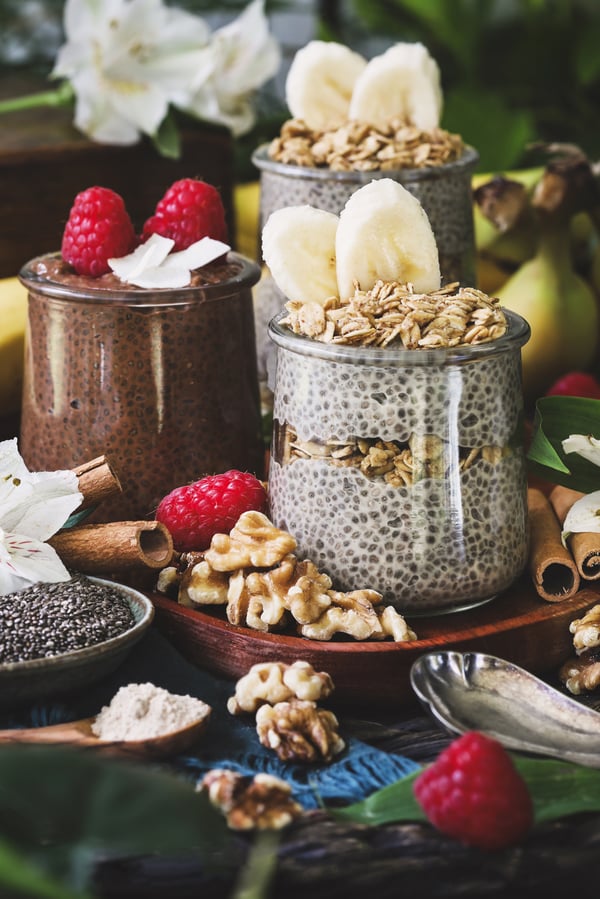
Build One Daily Herbal Habit
Pick one place where herbs can show up every day without effort. Maybe it’s a daily syrup in the fridge. Maybe it’s adding herbs to breakfast. Maybe it’s cooking grains with broth instead of water. Once that feels normal, you can build from there.
Now before you close this page, commit to your one thing. Not the most ambitious one either, but a small step you know you’ll actually do. Then, put it on the counter or fridge so it’s a visible reminder to you daily. That’s how herbs stop being an idea and start becoming part of your routine.
Want to Learn More From KhadiYah?
Check Out Her FREE Ebook Here!
You may also be interested in:
- Sprinkle-On Herb & Spice Blends for Four Season Wellness
- How to Make Herbal Salt Blends + 4 Recipes
- How to Make Instant Herbal Tea Cubes