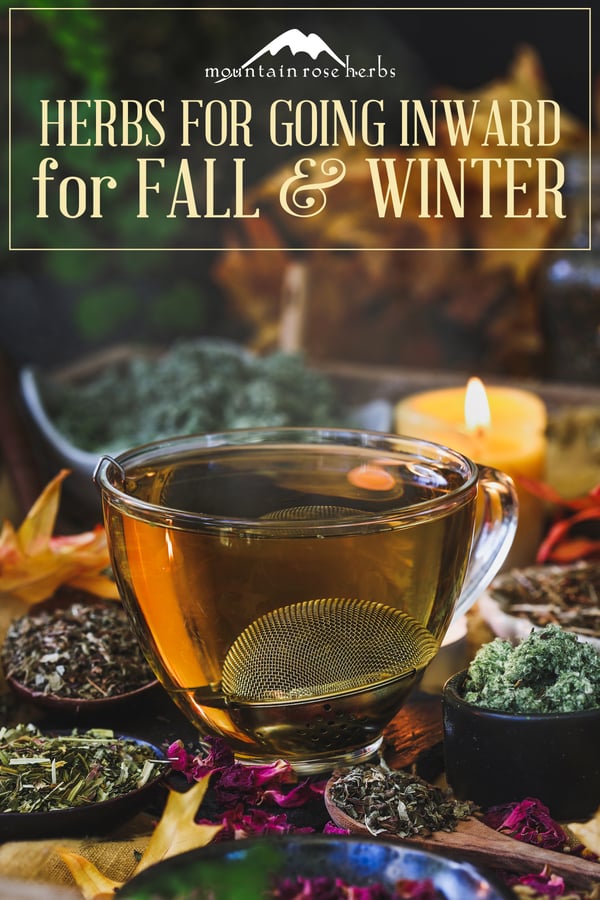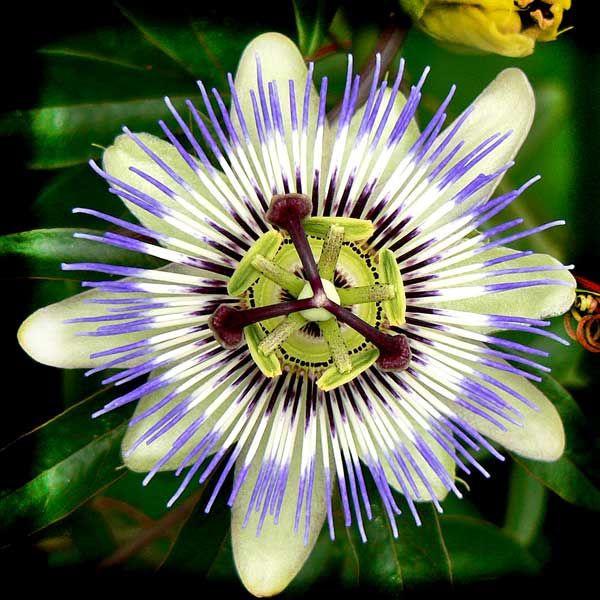

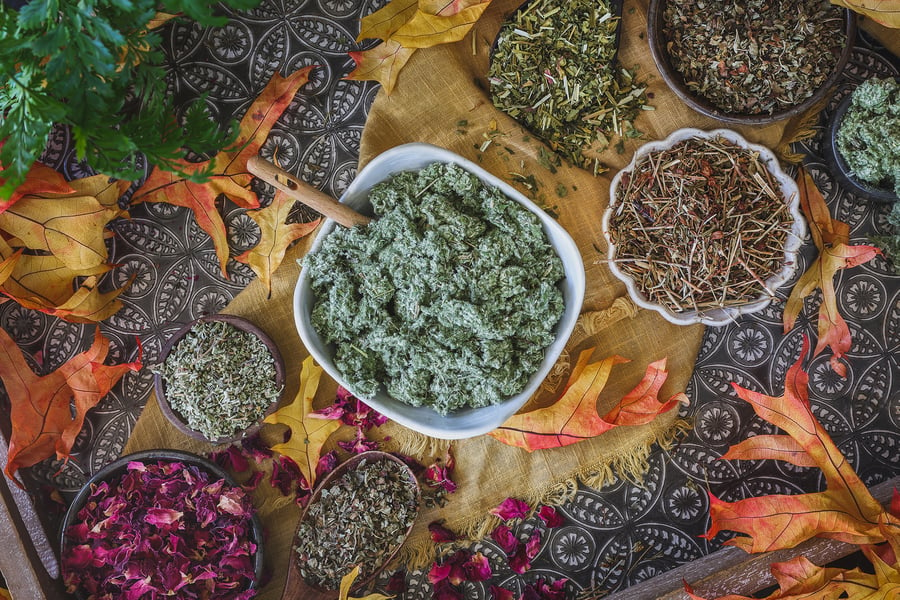
As fall settles in and we begin moving toward winter, the natural world starts asking us to slow down. The days become shorter. The light changes. Plants die back into the earth. Trees release their leaves. Animals prepare for winter. There is a natural turning inward happening all around us. And whether we realize it or not, many of us feel that shift too.
For some people, this time of year feels comforting—a chance to curl up, rest, cook warm food, drink tea, and spend more time at home. For others, the darker months can feel incredibly challenging. Less sunlight, colder weather, and more time indoors can leave us feeling tired, unmotivated, confused, isolated, or anxious. I think one of the most important things we can do during this season is create a toolbox for ourselves before we need it.
Not every difficult day requires us to push through it. Sometimes we need movement. Sometimes we need rest. Sometimes we need connection. And sometimes we simply need a ritual that reminds us to come back to ourselves.
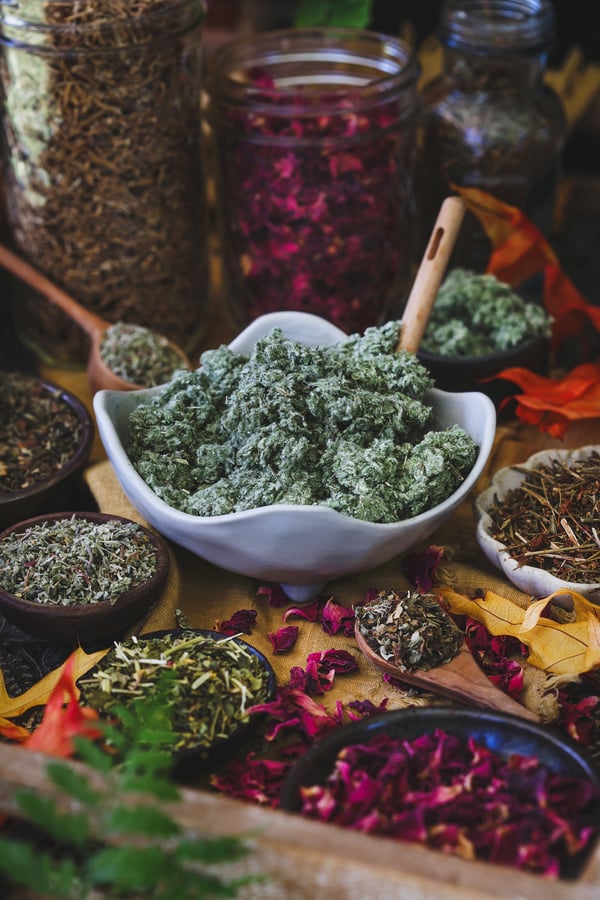
Creating a Winter Toolbox
Going inward doesn't have to mean disappearing from the world. There is a difference between intentional rest and feeling completely disconnected. I like to think of winter wellness as finding a rhythm between the two: resting when our bodies ask for rest while continuing to gently engage with life.
That might look like taking a walk even when it's cloudy. Stretching in the morning. Getting outside during the brightest part of the day. Cooking nourishing meals. Calling a friend. Going to bed earlier. Drinking a cup of herbal tea instead of scrolling through your phone. It can also mean giving yourself permission to do less.
We live in a culture that expects the same productivity from us in December that it does in June. Nature doesn't work that way. Winter reminds us that rest is part of the cycle too.
Herbs can become another beautiful part of that seasonal toolbox. Some plants help quiet a busy nervous system. Others invite us into the dream world, soften the heart, or simply create a comforting ritual at the end of the day.
Here are a few of my favorites for the darker months.
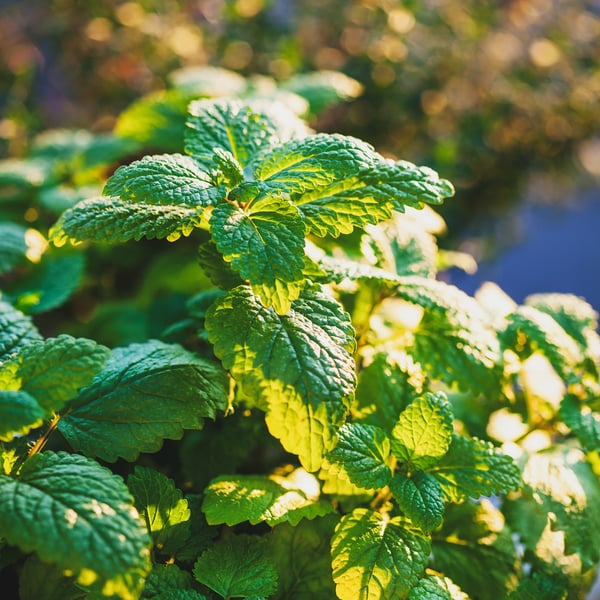
Lemon Balm
Lemon balm (Melissa officinalis) is one of those herbs I return to again and again. A gentle nervine with a bright, delicious flavor, lemon balm is traditionally used to soothe nervous tension, support sleep, and calm stress-related digestive discomfort. I especially love lemon balm when the mind feels both tired and busy. There is something about this plant that feels like a little bit of sunlight in the middle of winter.
Try drinking lemon balm tea in the afternoon when you feel yourself becoming overwhelmed or scattered.
St. John's Wort
St. John's wort (Hypericum perforatum) has a long relationship with both the nervous system and the light. Traditionally used for nervous tension and low mood, it is also one of my favorite herbs for supporting the nerves themselves. St. John's wort infused oil has a long history of topical use for areas of the body experiencing nerve discomfort. Energetically, I think of St. John's wort as carrying a little spark of summer into the darker months.
c St. John's wort can interact with many medications, including some antidepressants, hormonal contraceptives, blood thinners, transplant medications, and others. If you take medication, check with a qualified healthcare practitioner or pharmacist before using it internally.
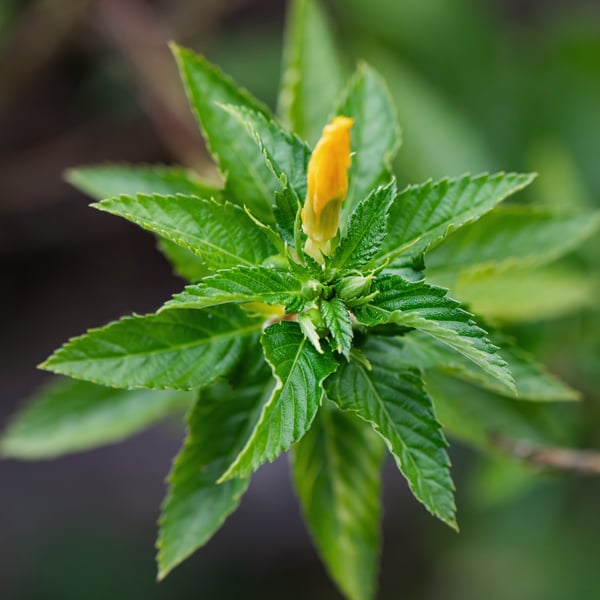
Damiana
Damiana (Turnera diffusa) brings a different kind of warmth. Traditionally known as an aphrodisiac, damiana is also used as a nervine and mood-supportive herb. I particularly love its relationship with pleasure, sensuality, and reconnecting with the body. During winter we can become very stuck in our heads. Damiana reminds us that joy can also come through the senses—warm baths, delicious food, music, touch, dancing, intimacy, creativity, and simply feeling present in our bodies.
Rose
Rose (Rosa centifolia) is one of my favorite herbs for the heart. The petals are aromatic, cooling, and gently astringent, but there is also something deeply comforting about working with rose during periods of emotional heaviness. Rose can become a beautiful ritual when we need tenderness.
Add petals to tea. Put rose water in a bath. Mist your pillow. Make yourself something beautiful simply because beauty makes you feel good. Sometimes coming back to center begins with something very small.
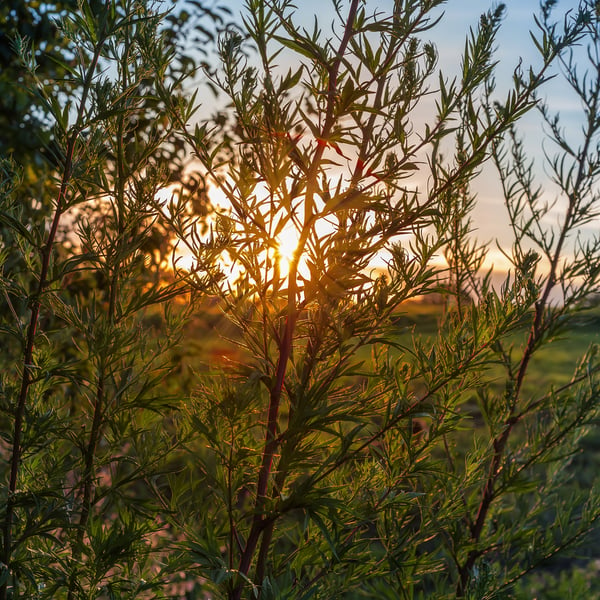
Mugwort
Mugwort (Artemisia vulgaris) invites us deeper. Associated with Artemis and the moon, mugwort has a long history of use around dreaming, intuition, and the inner world. Many people work with mugwort to encourage vivid dreams and dream recall. Winter naturally brings longer nights and more darkness, making it a beautiful season to explore our dream world. Keep a journal beside your bed. Sip a little mugwort tea before bedtime if it is appropriate for you, or simply spend a few quiet minutes reflecting before sleep.
Rather than fearing the darkness, mugwort asks us “What might be waiting for us there?”
Important note: Mugwort is generally avoided during pregnancy because of its uterine actions.
Skullcap
Skullcap (Scutellaria lateriflora) is one of my favorite herbs when the body is exhausted, but the mind refuses to stop.Thoughts circling. Lists running through your head. Replaying conversations. Thinking about tomorrow when you're supposed to be sleeping tonight.
Skullcap is traditionally used as a nervine for nervous tension, restlessness, and racing thoughts. I particularly like it as an evening herb when we need help creating some distance between ourselves and the mental noise of the day. Sometimes the practice isn't trying to solve every thought. It’s allowing ourselves to put them down until tomorrow.
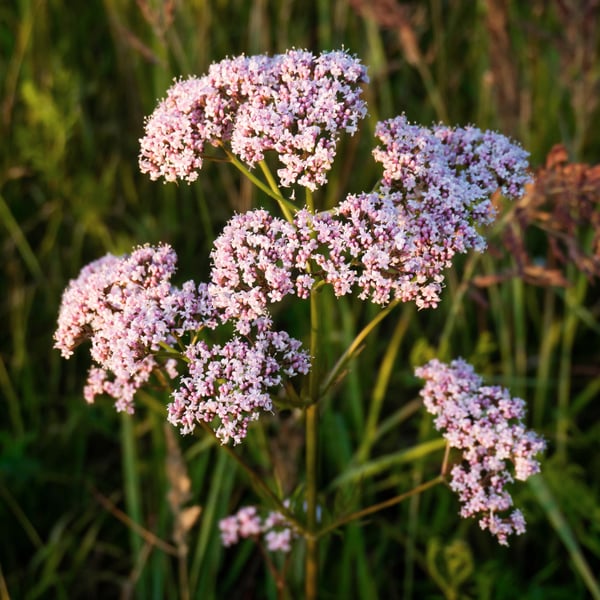
Valerian
Valerian (Valeriana officinalis) is a stronger calming herb traditionally used for nervous tension, muscular tension, and occasional sleeplessness. It can be especially lovely when stress feels physical—tight shoulders, clenched muscles, restlessness, or the feeling that the body simply can't settle. But valerian has an interesting personality.
While most people experience it as calming, a small percentage of people have the opposite response and find it stimulating. If you've never worked with valerian before, start small and notice how your body responds.
Living Within the Seasons
There is wisdom in each season.
The plants aren't blooming all year long.
The trees aren't producing all year long.
There are periods of growth, flowering, fruiting, releasing, resting, and beginning again.
Maybe we aren't meant to feel exactly the same throughout every season either.
As we move deeper into fall and toward winter, instead of asking ourselves how we can maintain the energy of summer, perhaps we can ask a different question:
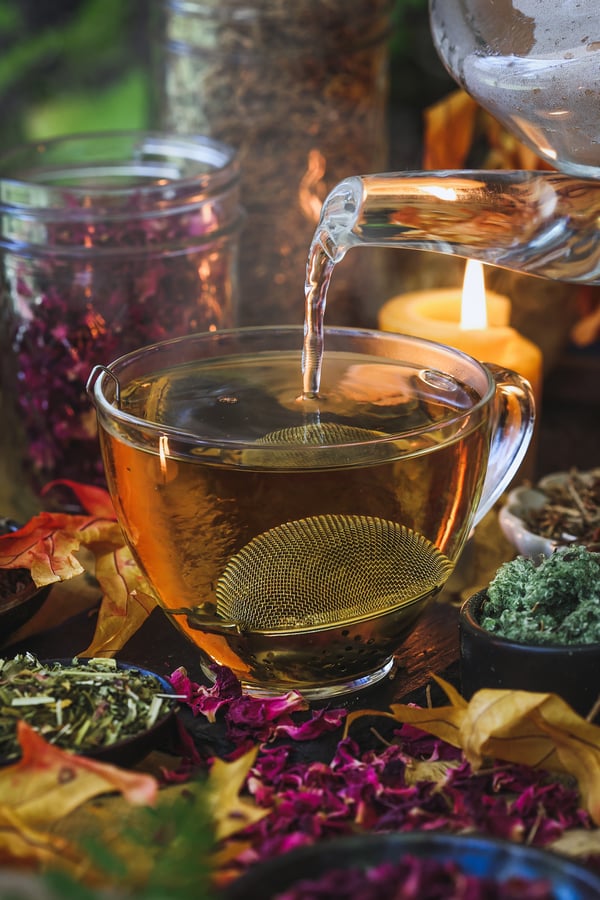
What is this season asking me to pay attention to?
Keep moving your body. Seek out daylight. Eat nourishing foods. Stay connected to the people you love. Rest more when you need to. Create small rituals that make the darker days feel beautiful and let the plants be part of your toolbox.
-
Make the tea.
-
Take the walk.
-
Light the candle.
-
Spray the rose water.
-
Write down your dreams.
-
Call your friend.
-
Go to bed early.
Embrace the season for listening, dreaming, restoring, and finding our way back to ourselves.
Want to Learn more from Amanda?
Check Out TheHerbShoppePDX.com
- Traditional Chinese Medicine (TCM) Formula for Autumn Wellness
- Adaptogenic Soup Broth Recipe
- Herbalism is Activism: Celebrate Fall with Tulsi & Beauty Medicine