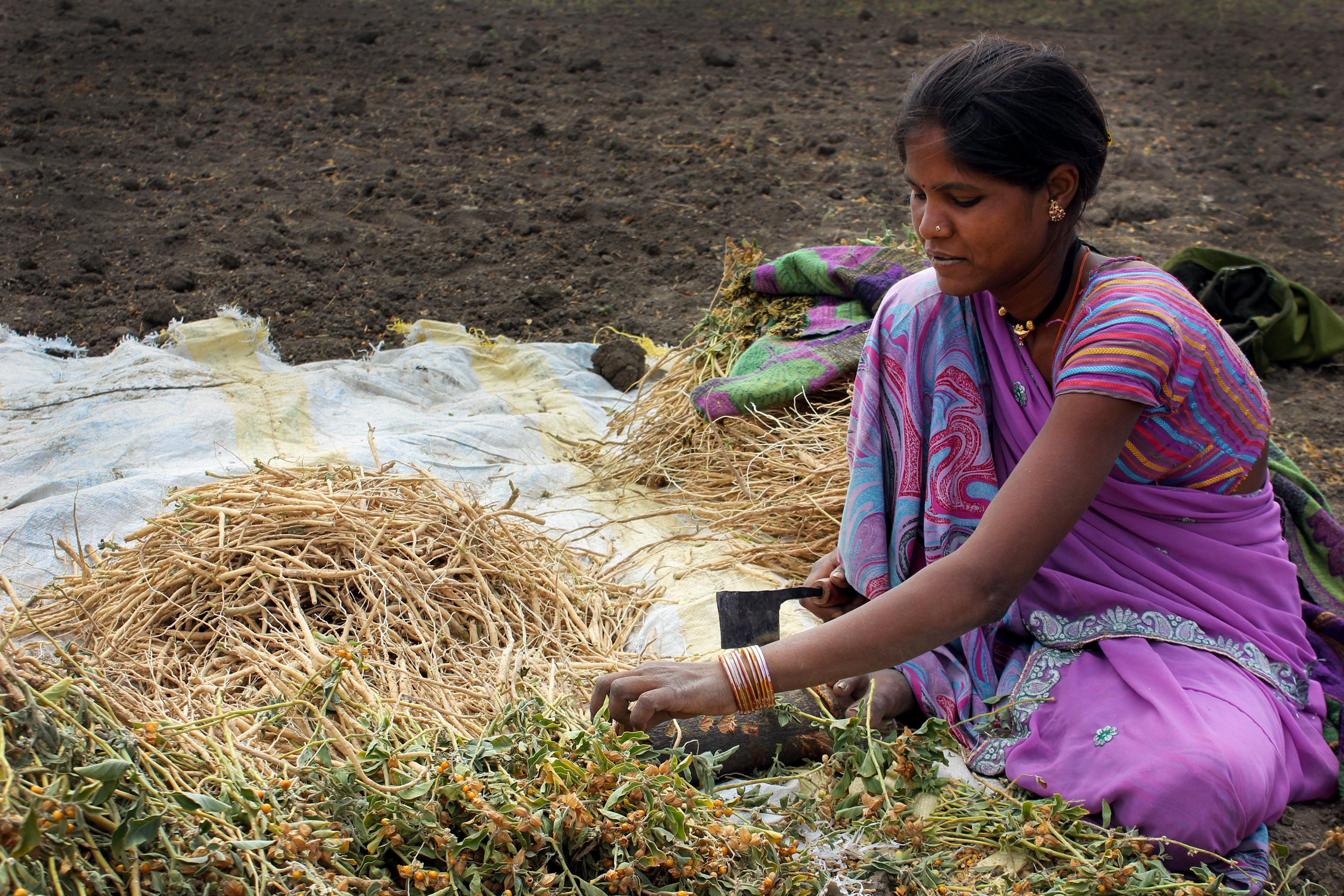

I would like to introduce a lovely tree that many people reading this may not have had the opportunity to see in real life. It is one whose medicine is often referenced and shared among herbalists of all levels. Many know this tree and its fruit from its role in some of the most beloved herbal formulas hailing from the Indian sub-continent and the traditional medicine cultural heritage known as Ayurveda.
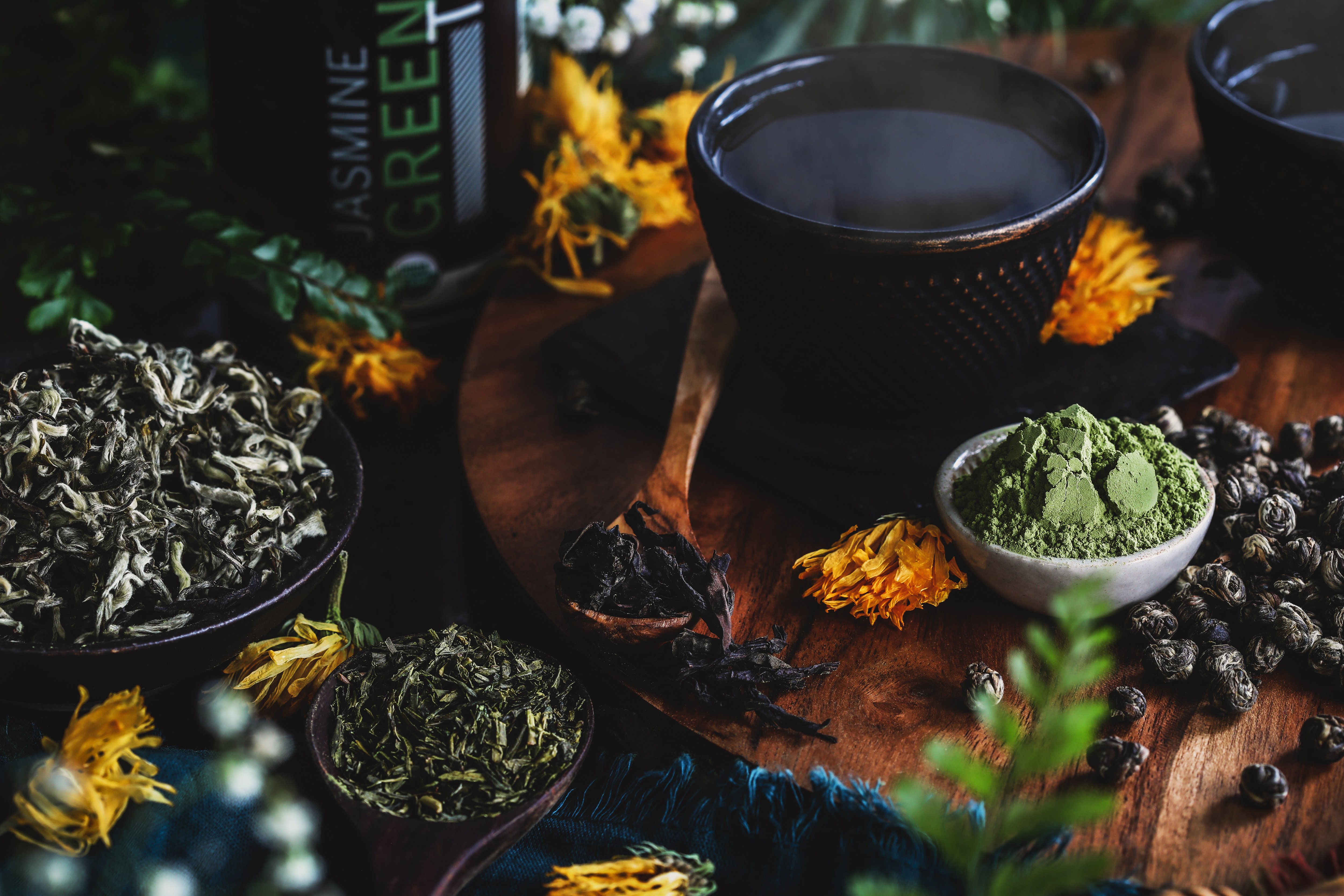
Read MoreIt is mighty cliché to start a health and wellness blog with a Hippocrates quote, but I am willing to sacrifice originality for truth. The old adage “Let food be thy medicine and medicine be thy food” is still worthy of repeating some 2,400 years after it was first uttered and despite centuries of medical and health advances, it is still relevant today. In this modern age, especially in America, many of us are living with nutritional deficiencies and are at a higher risk of experiencing food-related illnesses.
Read More
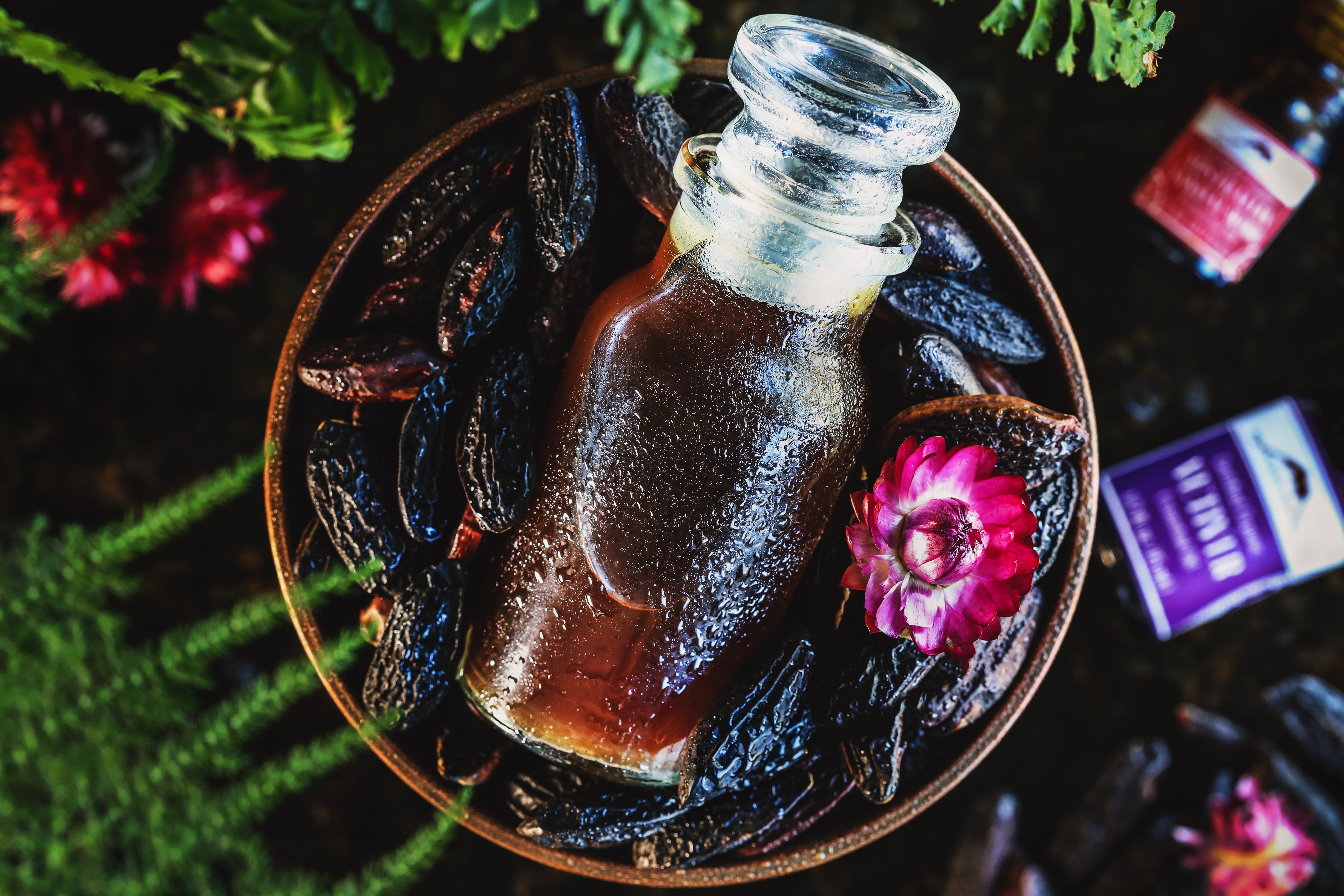
When you first start wearing botanical perfumes, you may notice how brief the aromatic lifespan of some blends are. Sometimes this is the desired effect or is simply the result of formulations that are restricted primarily to top notes. Other times, it’s preferable to have the perfume linger so as to enjoy the shapeshifting nature of the aromatic dry down, as each layer of scent molecules is revealed and then evaporates at varying speeds. Done well, this creates a complex symphony of aroma that leaves one marveling at the multi-faceted nature of the fragrance.
Read More
Photo courtesy of Susan Leopold, PhD, Executive Director at United Plant Savers.
Osha root (Ligusticum porteri) has been in use as an herbal medicine, incense, food, and for ceremonial purposes for thousands of years. When European colonists arrived in North America, osha was already being widely used by First Nations People in the American Southwest and Mexico to treat a variety of conditions, particularly those involving the upper respiratory and gastrointestinal tracts. The Zuni people chewed the root in healing rituals and the Tarahumara people used it ritualistically in protection ceremonies. This herbal ally has been generously gifting itself to humans on our continent for millennia, and its renown has spread to other parts of the world. Unfortunately, this increasing popularity has shined a light on osha’s one significant problem—virtually all commercial osha is wildharvested because this independent herb doesn’t do well as a cultivated crop. This limitation combined with the ever-increasing demand for osha has many herbalists concerned about the viability and long-term sustainability of this precious botanical. Let’s take a deeper dive into osha.
Read More
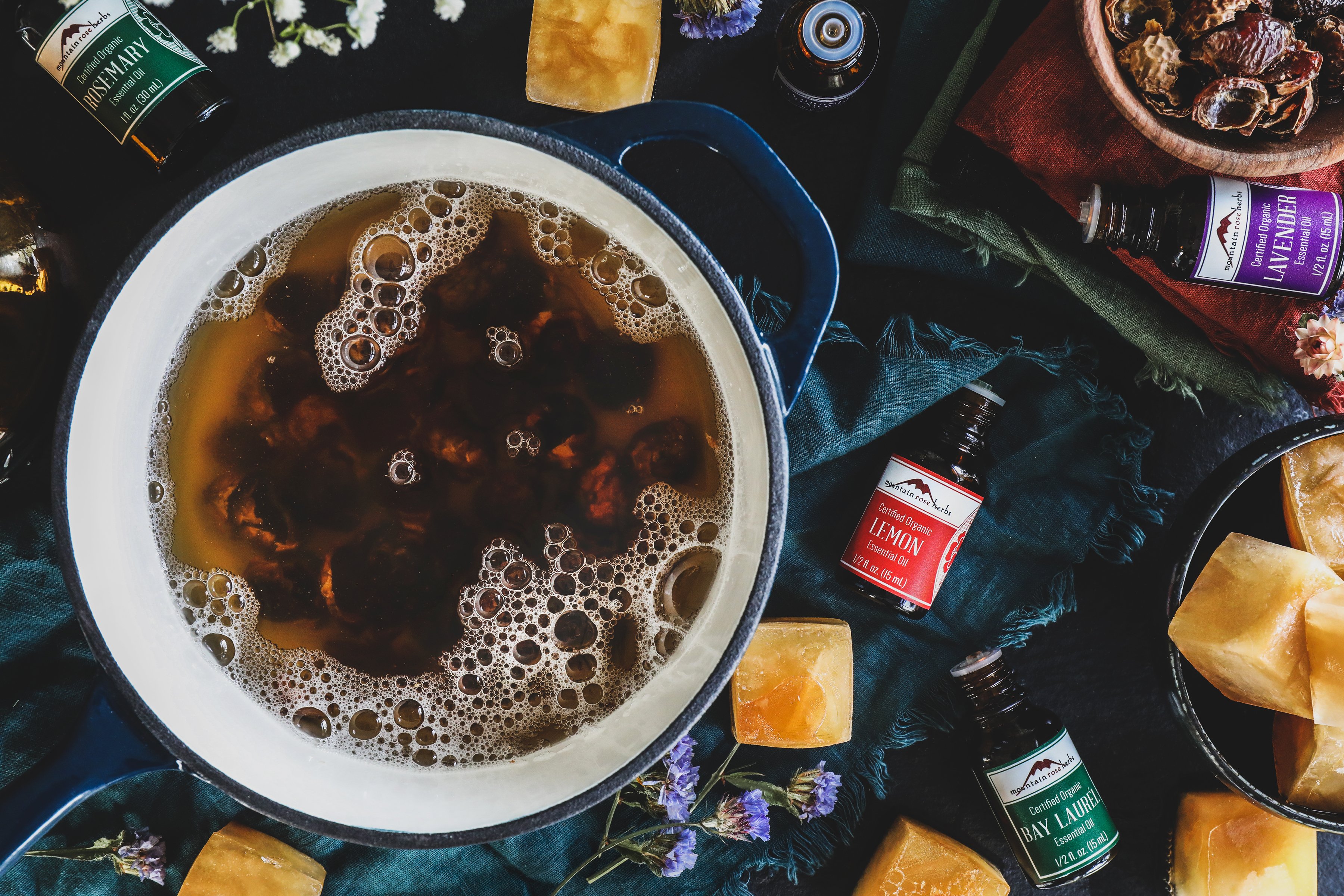
In November of 2021, Mountain Rose Herbs opened our first Aroma Bar, an essential oil marketplace right here in our hometown of Eugene. The Aroma Bar is designed to engage the senses as people explore the art and science of pure, natural aromatherapy. This boutique shop offers high-quality, ethically sourced essential oils and personal aromatherapy products to provide you with the resources you need to harness the powerful potential of scent in your personal journey. No surprise, our new venture means we are getting a lot of questions from people who are beginning to explore essential oils and aromatherapy as part of their personal wellness plan. With that in mind, I want to share eight of the most frequently asked questions and some of my favorite tips for using and storing essential oils.
This vegan poke bowl recipe is healthy, filling, and makes the perfect addition to your weekly meal plan. It takes a bit of planning, but sure does pay off. Cook the rice and tempeh, make the sauce, and chop the veggies ahead of time in preparation for the work week. Then, simply combine the ingredients for protein-rich lunches or dinners sprinkled with organic nori flakes and organic sesame seeds. You can also assemble these bowls in individual containers and have premade delicious meals throughout the week. In my house, high-vitamin, protein-packed, easy-to-digest poke bowls are a perfect vegetarian option for meatless Mondays.
Read More
My acupuncture clinic is perhaps similar to a martial arts studio. Nobody punches or kicks in my clinic, at least not on purpose, but I support people as they fight through aches and pains from injuries both acute and chronic. After treating pain-related conditions with acupuncture, I often aid recovery by rubbing a liniment, or Die Da Jiu (跌打酒), into achy joints and tissues. The aromatic herbs and precious resins in this formula scent my treatment room like an ancient apothecary, while moving stuck traumas, helping tissues release their stored issues, and lending a golden glow to affected areas.
Read More
Slippery elm (Ulmus rubra) is one of the best known medicinal tree barks. It has a history of use that goes back thousands of years—North American First Nations people utilized slippery elm for a variety of health issues and introduced it to European colonists, who quickly incorporated it into their pharmacopoeia. As cited in Henry H. Gibson’s American Forest Trees, published in 1913, it became “a household remedy which most families in the country provided and kept in store along with catnip, mandrake, sage, dogwood blossoms, and other rural remedies which were depended upon to rout diseases in the days when physicians were few....”. Today, when physicians are more plentiful, it continues to be a profoundly effective mucilaginous demulcent that is a standard in western herbalism. Let’s take a moment to talk about this ancient ally.
Read More
Smoke cleansing—burning botanicals, resins, wood, etc. for health and/or spiritual purposes—is an ancient practice that is common in a wide variety of cultures and faiths around the world. For instance, I was introduced to smoke cleansing through the practice of “fire saining,” a Celtic tradition that resonates well with my cultural and personal history. However, the form of smoke cleansing that most people are familiar with today is “smudging.” The commercialization of smudging is unfortunate on multiple fronts—it is cultural appropriation of North American indigenous practices, it has created serious issues around illegal and/or irresponsible wildharvesting of traditional smudging herbs, and it disregards the wealth of other forms of smoke cleansing that are just as ancient and powerful. Many times, looking to our own culture, faith, community, or heritage in our relationship to the botanical world can help us identify herbal allies that are particularly aligned with us as individuals. Our ancestors had personal relationships with these plants; they have been part of our people—our DNA—for time immemorial. Smoke cleansing can be a powerful, renewing, and healing practice for many people, particularly when they are embracing a form that resonates with their genuine self.
Read More
My husband recently went on a summer-mocktail quest. It started because he made homemade ginger beer, which was good, but lacked some important refreshing element; it was a bit “much” on a hot day. Still, it was inspirational. The delicious, summery, layered mocktail that my honey ultimately came up with utilizes ginger beer (homemade or store-bought) and some of the most refreshing, cooling herbal allies. It also celebrates both summer berries and the beautiful roses of the season with a berry and rose simple syrup. Make tea and simple syrup the evening before so all you have to do is find some shade and settle in for a revitalizing, enjoyable day. Bring on the sun, we’re ready!
Read More