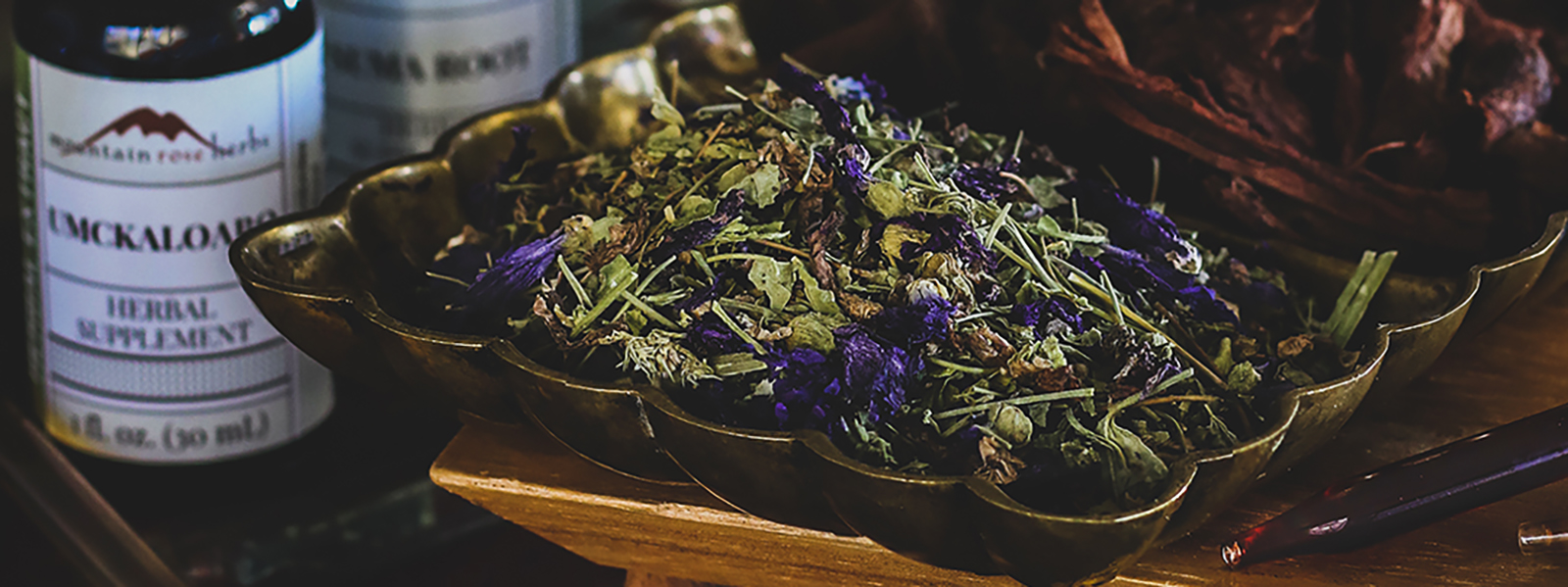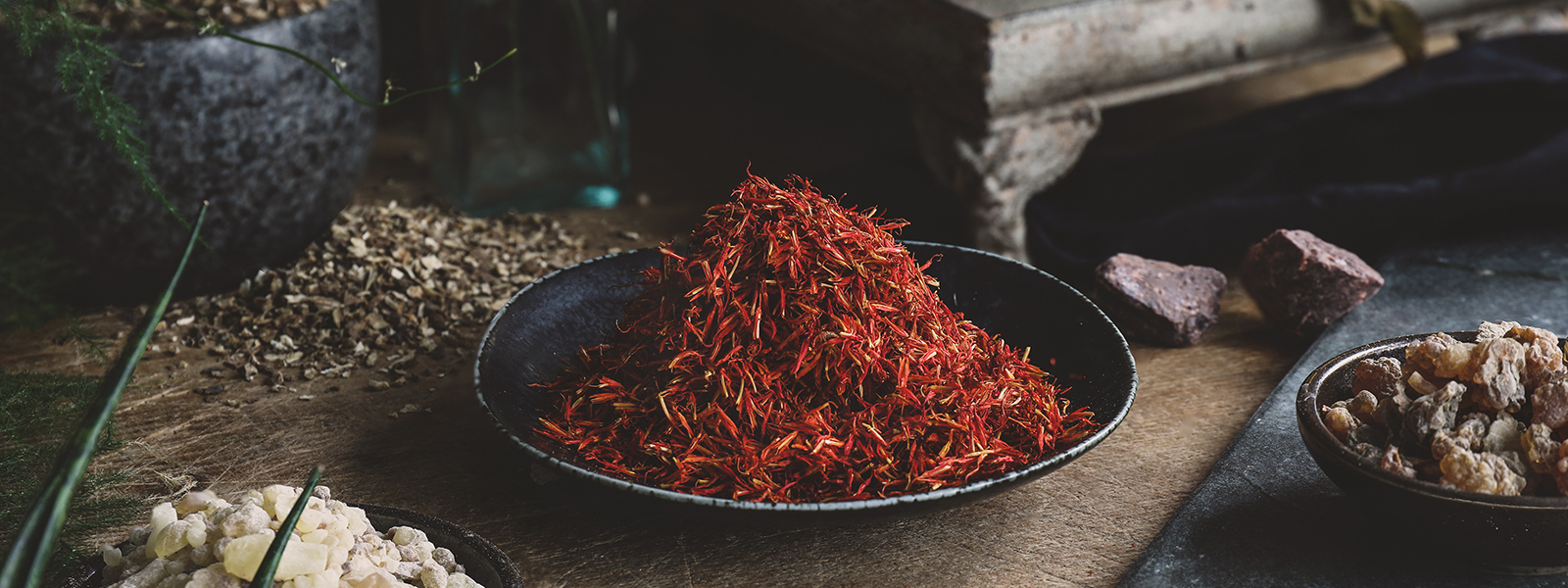

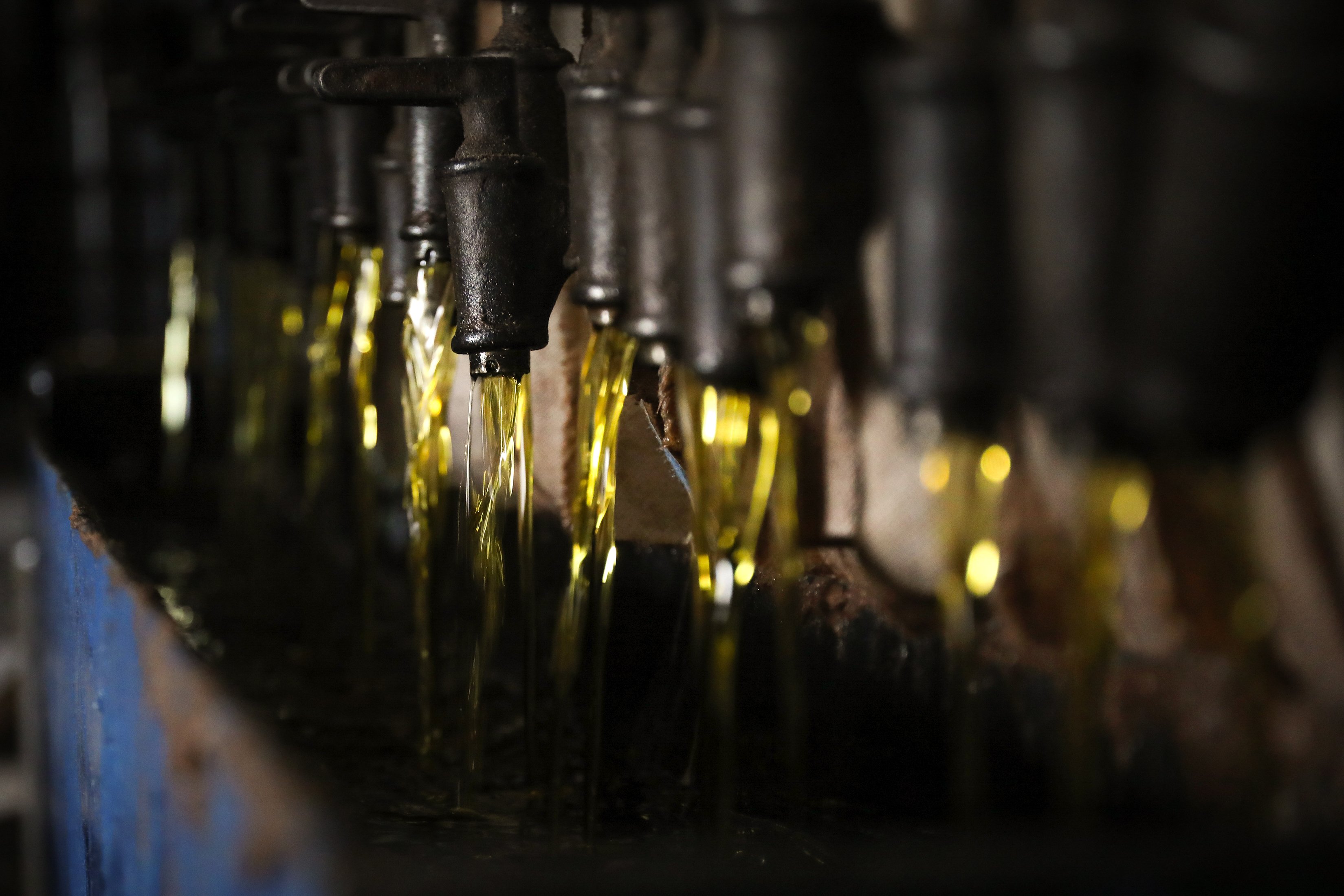
The diversity of natural chemical compounds in plants is remarkable. For many years, scientists thought they could be broken down into simple primary and secondary categories: the primary compounds being those that contribute directly to growth and development, and the secondary ones being byproducts that don’t directly contribute to those primary functions. Most of the aromatic oils, gums, and resins that humans have adored for thousands of years fell into this wide category of secondary natural compounds. Why do plants produce them? Understanding the roles these compounds play in plants helps us understand how to use them most effectively. We went to our friend, fourth-generation botanist and plant physiologist Karen Hall, to get a better understanding of natural gums, resins, and gum-resins in plants.
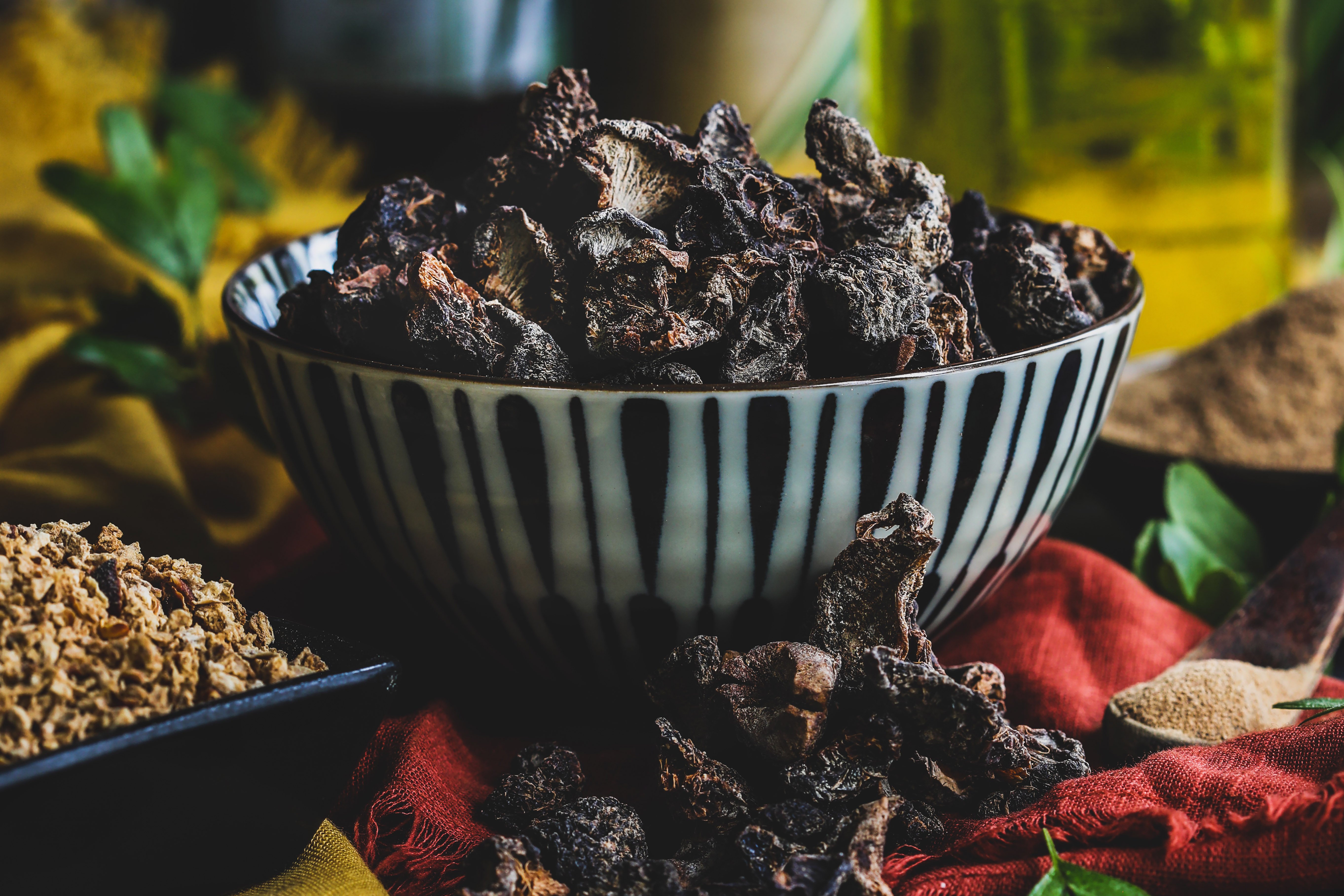
Read MoreIn herbalism, herb is the root word. Of course, herbalism encompasses much more than herbs such as basil or rosemary. It also includes tree barks, roots, seeds, and even non-plant life such as mushrooms. I know some herbalist friends who are downright repulsed by mushrooms, but there’s another type of herbalist who is entranced and enamored with these fungal friends. I happen to be one of those weirdos. While I'm not a mycologist, I’ve always enjoyed learning about and including mushrooms in my diet and herbal lifestyle because of their health benefits, lore, and mystery. Science confirms that there are a great many benefits to consuming mushrooms. Let’s explore a few of these mushroom allies.
Read More
When choosing or crafting a natural moisturizer for your face, it helps to understand the benefits and drawbacks of the different oils included in the recipe. Facial skin tends to be more delicate and sensitive than the rest of the body, and it can be a little tricky to adequately nourish your complexion without either smothering your pores or causing irritation. This is why organic rosehip seed oil is one of the most universally loved choices for gentle moisturizers.
Read More
Humans have been brewing beer for millennia, and in that time, we have incorporated countless ingredients into our ferments. From bright, citrusy witbiers to rich herbal gruits, there’s a flavor profile to suit most any taste—and many of the ingredients to achieve it can be found in your home apothecary or kitchen spice rack!
Read More
In our neighboring state of Washington lies one of our organic farms—650,000 acres of herbal splendor amidst an otherwise desert landscape. Thanks to the pristine Columbia River, this region has an unlimited supply of the highest quality water any agricultural operation could desire. Here, head farmer Phil has the space and resources to grow one of our most popular herbs: stinging nettle.
Read More
In spring, buds burst with potential energy, flowers push up from under the snow, and, according to Chinese medicine, the Wind blows change, energy, and wellness disturbances hither and thither. Spring is associated with the Wood element, in its upward, outward expansion and infinite possibilities.
It’s nettle harvest time! How humans came to figure out that nettles are a powerhouse of goodness is beyond me. They contain potassium, calcium, magnesium, iron, zinc, and a treasure trove of other vitamins and minerals. But as a kid growing up in the Coast Range of western Oregon, my entire relationship with nettles involved trying not to get stung by those wicked trichomes while romping through the woods. So, kudos to the first brave nettle-harvesting souls, because they figured out (as I now know) that harvesting nettles without getting stung is actually easy, and this puts urtica dioica on my list as a versatile and delicious herb.
Read More
Over our 30+ years of business, we’ve helped literally tons of botanicals find their way onto our customers’ shelves. We always strive to provide consistent quality in our herbal offerings, but when it comes to superficial characteristics, Mother Nature often likes to put her own unique touches on each batch, which can result in some perceptible variation from one order to the next. However, you can trust that here at Mountain Rose Herbs, we’re always going the extra mile to make sure your ingredients are of the best possible quality, regardless of any apparent differences.
Read More
There seems to be an endless number of recipes available for body butters, skin oils, and other DIY personal care products. This variety can be inspiring, but also overwhelming at times—after all, there are only so many carrier oils any one person can keep on-hand! Furthermore, since every body is different, it is sometimes necessary to avoid a particular ingredient due to a personal sensitivity, or perhaps just a personal preference (not everyone loves the scent of raw shea butter, and to each their own!). That's why, as an avid recipe tinkerer, I'd like to offer some tips for making appropriate ingredient substitutions to adapt body care recipes to your needs.
Read More
In 400 B.C.E., in his On Regimen in Acute Diseases, Hippocrates wrote, “You will find the drink, called oxymel, often very useful…for it promotes expectoration and freedom of breathing.” It’s too bad I didn’t have that definition the first time I saw the word “oxymel,” because I came across the term right about the same time that I was reading the Harry Potter series to my daughter. This might explain why an oxymel sounds to me like something one would whip up in potions class.
Read More
I distinctly remember the first time I tried mochi. I was adorned in a kimono that was provided by the kindergarten I attended on the island of Oahu, and we were celebrating Hinamatsuri, or Girls’ Day, a spring festival that takes place every March 3 to celebrate the health and well-being of young girls. The tender, sweet, and gooey-textured mochi cake had me hooked from the very first nibble. Mochi is a traditional rice flour cake consumed year-round in Japan, but often is reserved for special occasions and holidays.
Read More