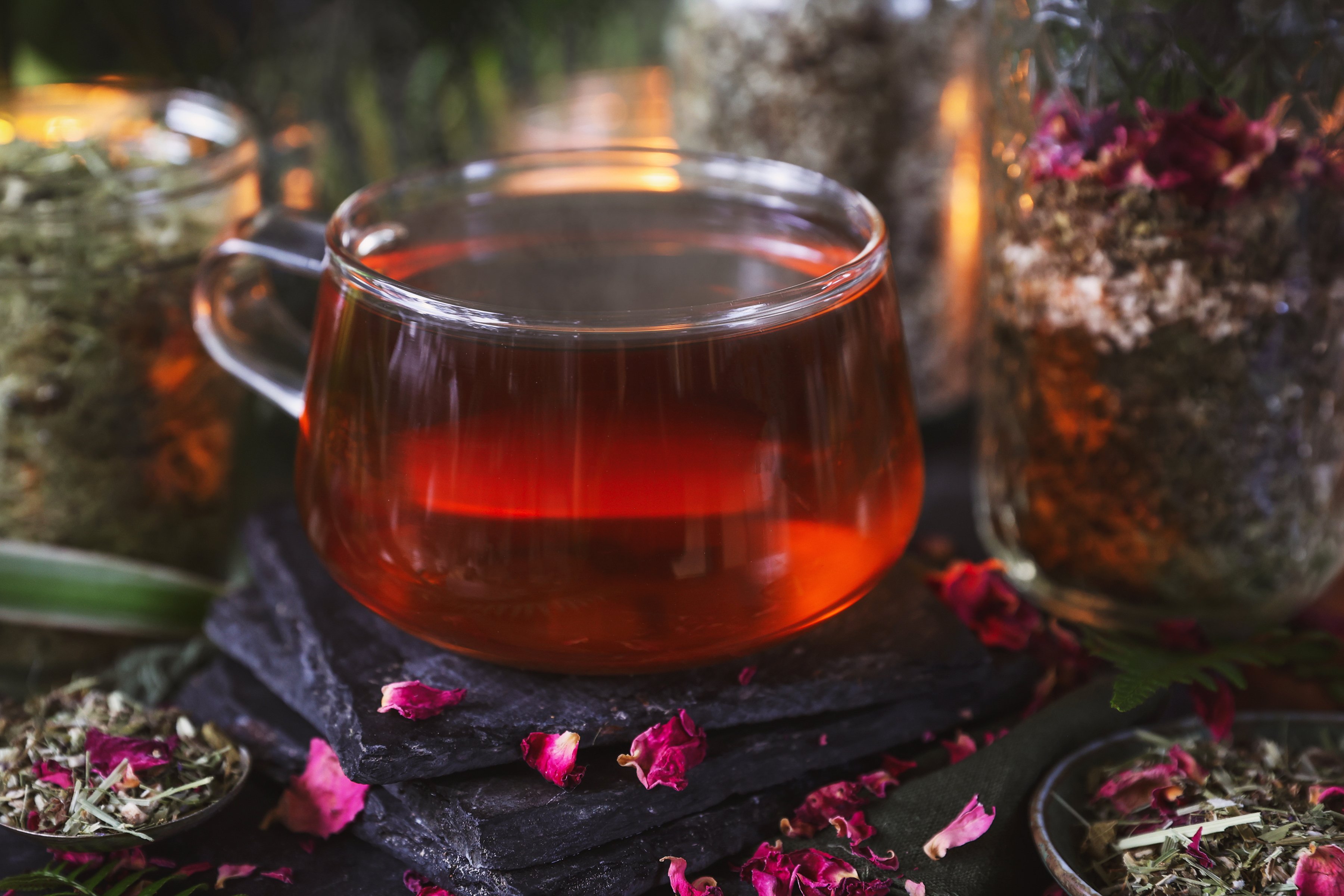
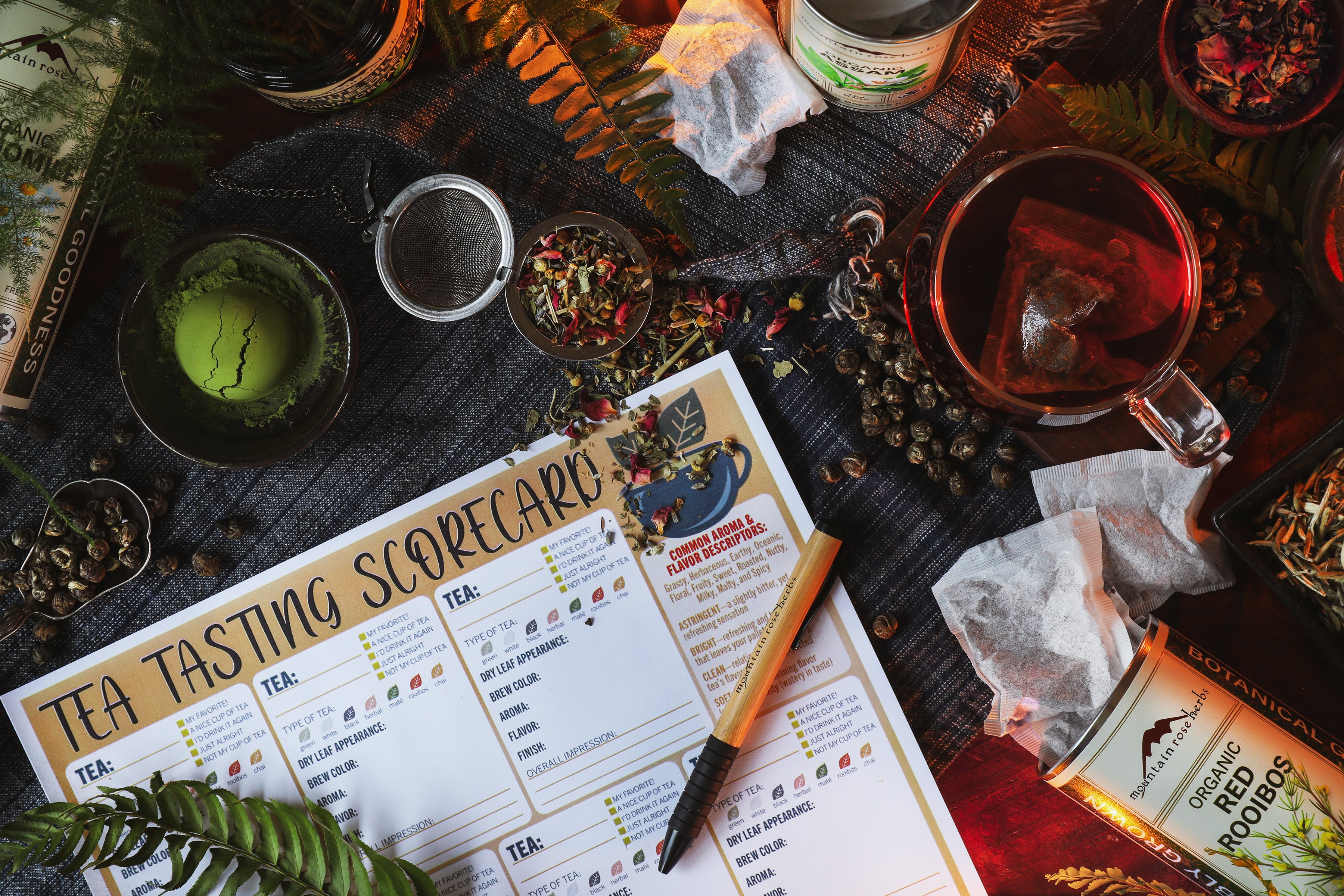
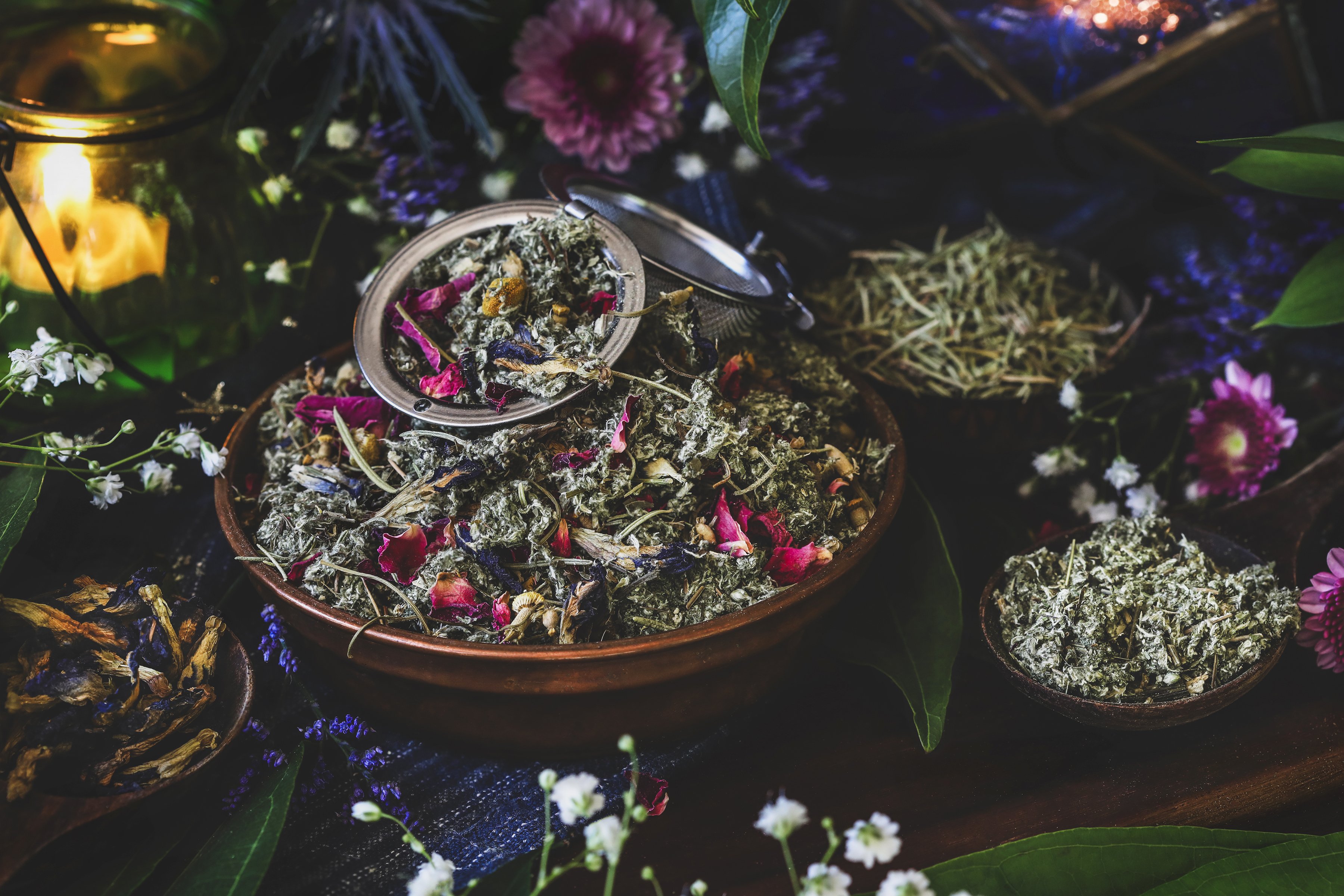
Camellia sinensis is one of a small number of botanicals on the planet that has altered the course of history. This single precious plant—from which black, green, and white teas, among others, are made—has, for better or worse, been responsible for both the making and the fall of empires. Although it is the mother plant of a variety of teas, its power in the global marketplace is particularly potent when its leaves are fully oxidized to make black teas. Black tea is the most popular type of tea in the world, including here in the States. In 2019, the Tea Association of the U.S.A. reported that people in the U.S. consumed over 3.8 billion gallons of Camellia sinensis-based teas, 84% of which was black tea. What is it about black tea that is so alluring?
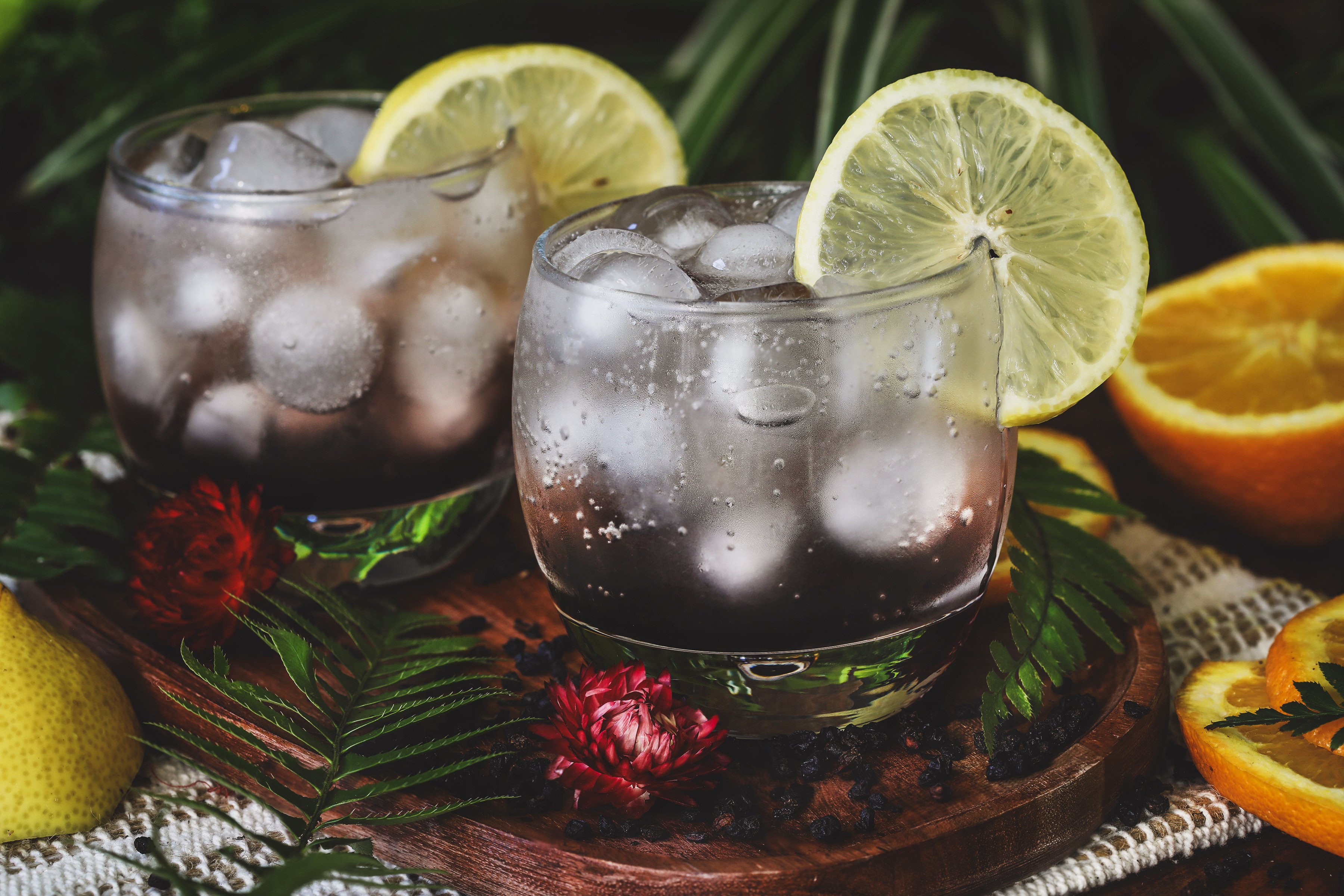
Read MoreA friend called the other day and before I had a chance to finish with “Hello” she asked, “What was that vinegar drink you made last summer? The zingy one with basil and berries?” It was a shrub: a “zingy” drinking vinegar infused with fruit. Apparently, my friend had a craving because berry season is upon us. It was a good reminder—this is a perfect time to start infusing vinegars with herbs and fruit for both refreshing summer drinks and herbal formulations for later in the year. I love the allure of a jar full of drinking vinegar and the potential it represents for delicious, healthful sipping. Infuse berries and we’re also well on our way to a perfect shrub cocktail/mocktail season.
Read More
Foggy brain and fuzzy focus affect many of us from time to time and during certain phases of our lives. While many herbs do indeed have a long history of use and modern research to support mental clarity, first it’s important to take a deep look at what’s going on in your life that’s draining your brain power to truly enhance your mental prowess and vitality.
Read More
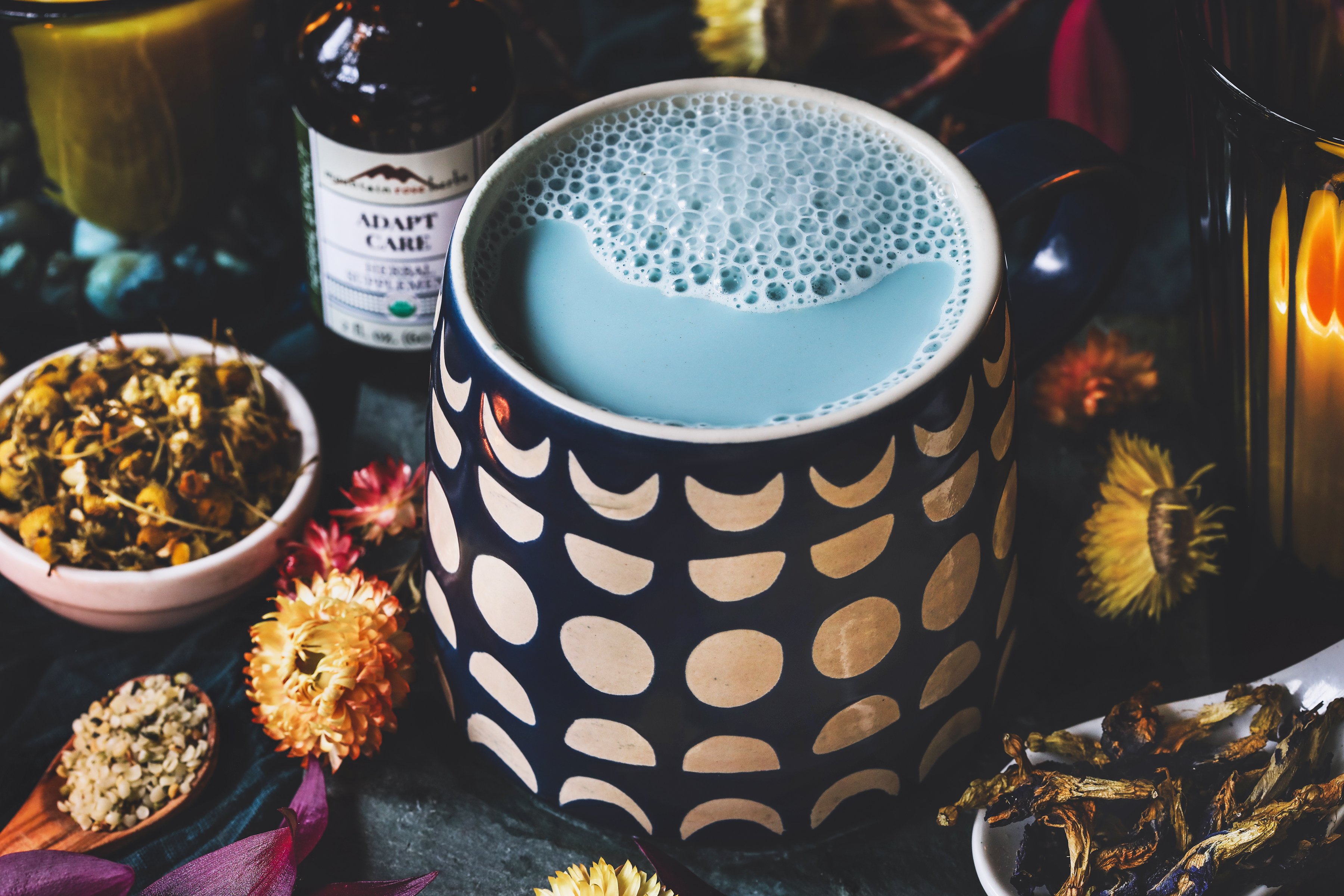
If drinking warm milk before bed sounds like the kind of advice you might hear from your grandma—well, it turns out grandma knows best again! Drinking heated creamy beverages before bed has been practiced for centuries and has helped people all over the world drift off into a restful sleep. It is also commonly recommended by Ayurvedic practitioners to calm fiery doshas and to help balance the body before bed. Nowadays, these magical cups of comfort are often referred to as moon milks and incorporate herbs and spices to help assist the body in relaxation.
Read More
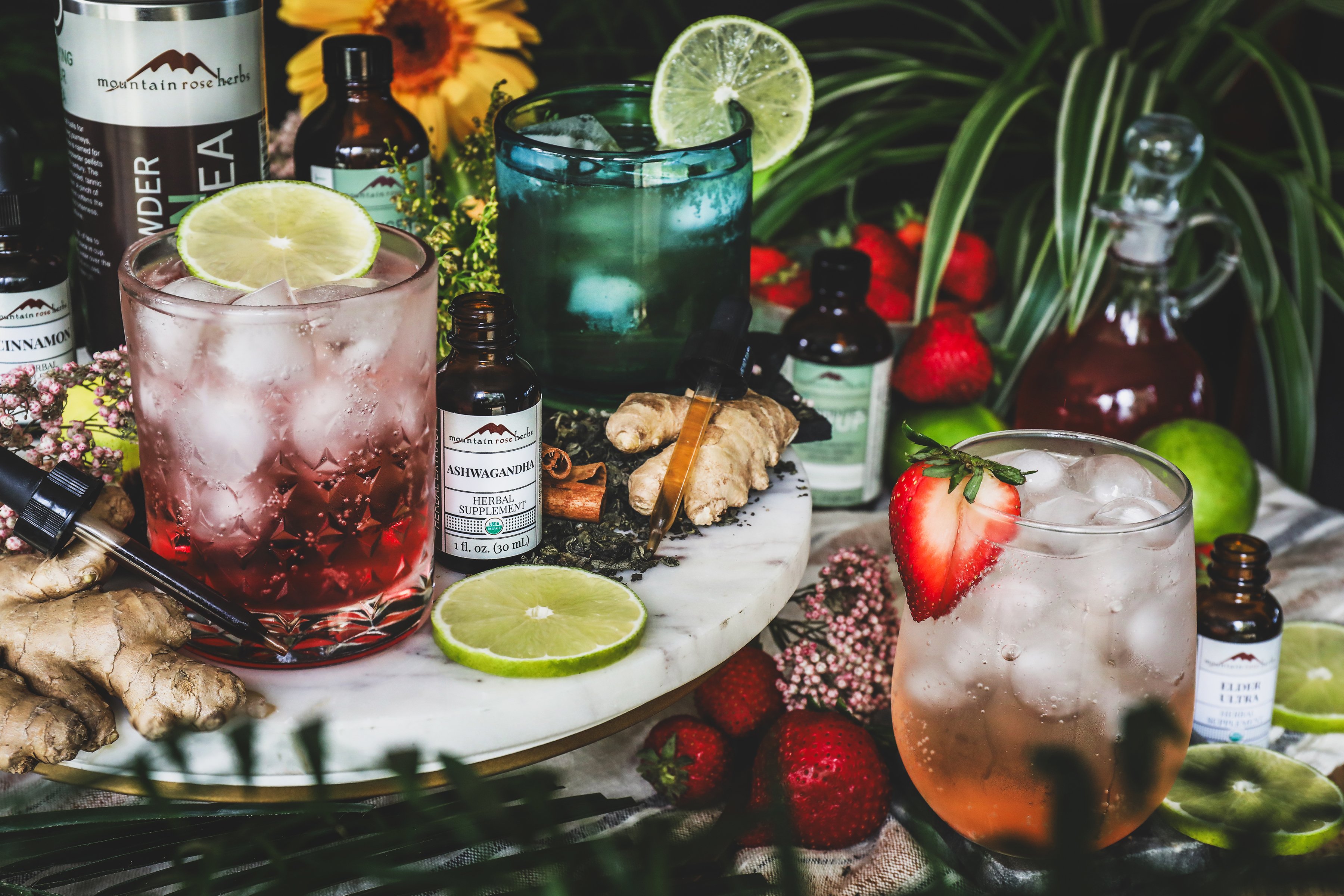
Simple syrups are a fun and surprisingly useful ingredient to keep on hand in your refrigerator, especially when they are infused with your favorite herbs. A lot of people think of mocktails or cocktails when they think of simple syrups, and that’s definitely a good use for them. But they are equally wonderful added to carbonated water, as sweetener in tea, brushed on cakes or cupcakes, drizzled on yogurt or pancakes, and more. They are called “simple” syrup for a reason—if you can boil water, you can make simple syrup. And infusing simple syrups with herbs takes them from being a good ingredient to an amazing one!
Read More
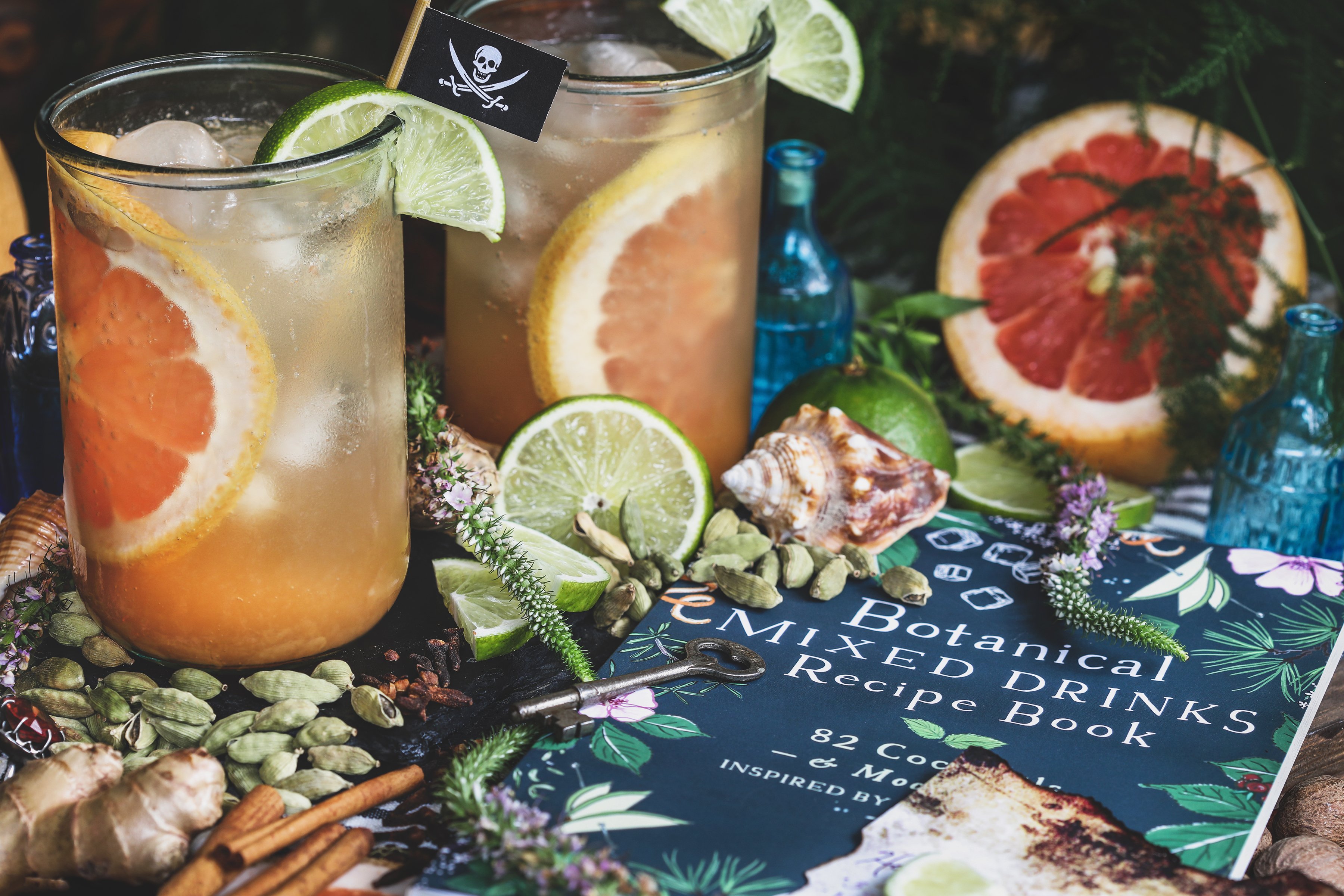
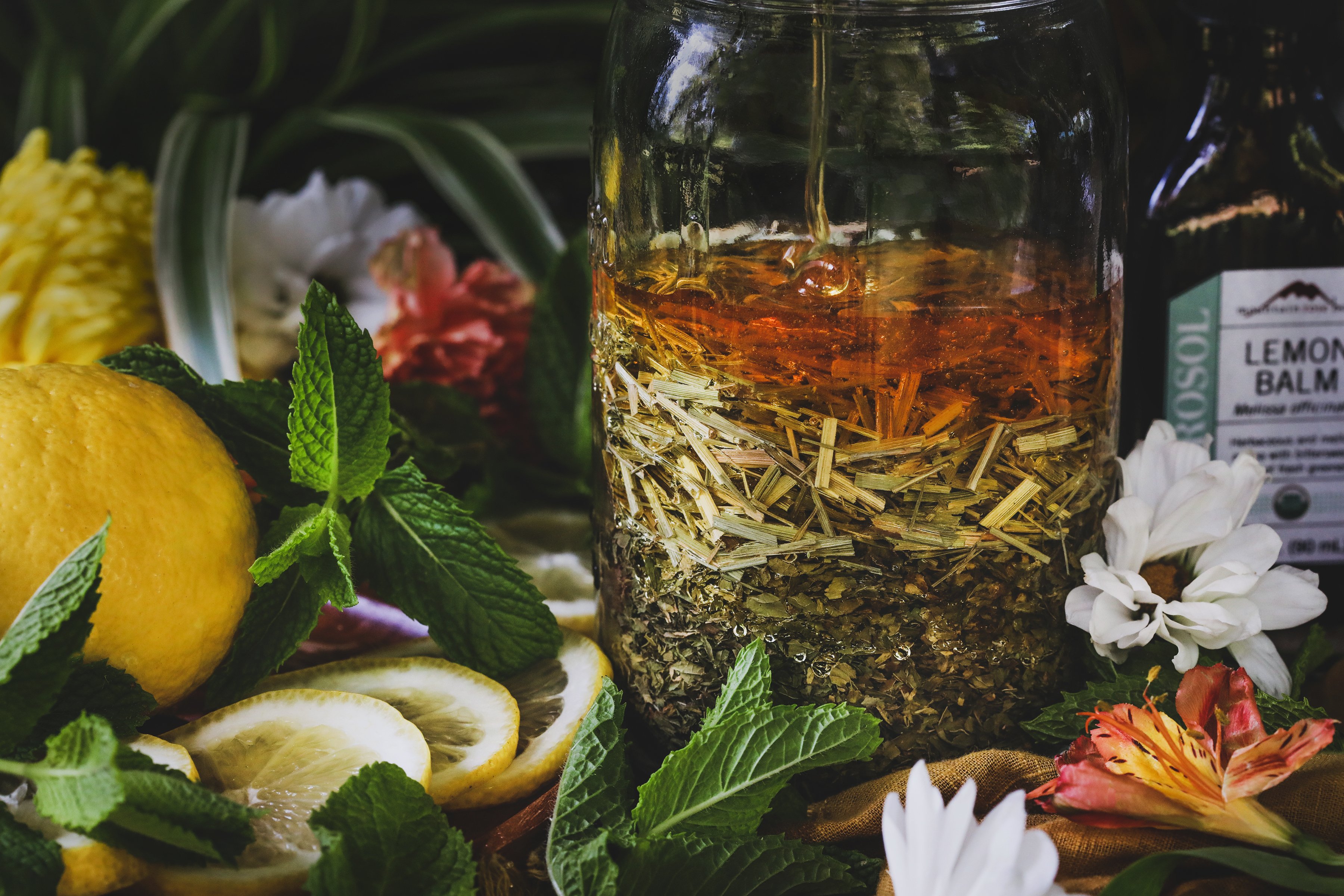
In the cycle of the year, I find the weeks between Imbolc (February) and Beltane (end of April) to be a precious, restful time in which I finally have space to be creative. We’re past the months of food preserving and winter holidays and not yet at the point when I will jump back into the annual joy/work of my yard, garden, and orchard. This is the only time of the year when I don’t have a dozen other priorities vying for my attention. It is an ideal moment to take a look at my apothecary and think about the herbs that I should use up before they start to get old. As well as making tinctures, glycerine extracts, and infused honey, I find this to be a perfect opportunity to make herb-infused spirits to add to my liquor cabinet for handcrafted cocktails throughout the year. I recently combed back through Mountain Rose Herbs blogs for inspiration, and—as usual—came up with infusion gold. I’m excited to share three reader-tested, herb-infused distilled spirits recipes with you!
Read More
Infusions are an enjoyable method for savoring and receiving the benefits of herbs. Also referred to simply as tea, an herbal infusion is technically called a tisane and involves steeping fresh or dried herbs in water for a period of time. The water used for an infusion can be hot or cold depending on the herbs you use and the effect you desire, as well as your preference and mood. In this blog, we are going to focus on what a cold infusion is, what herbs work best with this method, and how to make a cold infusion.
Read More
Green tea is one of the most popular beverages in the world. On average, 600,000 tons are consumed each year! It is predominantly enjoyed in China, Japan, and surrounding countries where many cups are poured throughout the day. Pretty remarkable for one plant, right?
Read More
Over the years, I’ve fallen in love with many herbs. Some come and go, others stick with me day after day once they’ve become part of my life. This nourishing infusion blend weaves together four of my long-term herbal allies. As a go-to for drinking daily, it is beloved by many in my extended community.
Read More
I am not known for my ability to sit still. I am always moving, shaking, and thinking of all of the things that need to get done. This is the main reason that meditation has always been a bit of a struggle for me. I really enjoy it and see its vast benefits, but this act of slowing down does not come easily to me. So, I was delighted to discover that I could reach for some trusted herbal allies to help me slow down, break the cycle of an overactive mind, and sit still for longer than five minutes.
Read More
This is the time of year when we start thinking about how to best support our bodies as our diets shift to heartier winter eating and those inevitable holiday meals that are just around the corner. Digestive function is a key factor in our overall health and wellness, and can be thrown off by a number of things that are part and parcel of this time of year: not just hearty cold weather meals, but also changes in our routine, less sun and exercise, the stressors (both positive and negative) of family gatherings, holiday travel, etc. This seasonal dietary and energy flux impacts our bodies in a wide variety of ways, and can particularly play havoc on our digestive system. Fortunately, when we pay attention to our own unique rhythm, we can get ahead of these factors and be prepared when our normal balance is off-kilter. There are three herbal actions that are particularly helpful: bitters, aromatics, and demulcents.
Read More