In a hyper-connected world full of consumption, how do we make the best choices when purchasing products? How do we determine the impact of our decisions based on our values? Now more than ever, we are faced with businesses greenwashing customers, and as a result, consumers have become detached from where things come from or how they have come to be. Terms like “natural” or “therapeutic” are used with reckless abandon and we are given minimal information to make the best choices for our bodies and our planet.
Read More
For over a decade, Mountain Rose Herbs has worked closely with Fair for Life (FFL), a Switzerland-based, fair trade certification program that seriously ups the ante on fair trade practices, making life-changing improvements in labor relationships both externally and internally. The mission is clear in this program statement: Fair for Life’s vision is a world where trade, through ethical, fair, and respectful partnerships, is a driving force for positive and sustainable change benefiting people and their environment.
Read More
Welcome to a new year! What are you calling in and saying yes to? What are you letting go of and saying no to? The beginning of the year is always a great time to take stock of what’s working for you (and not working) individually and collectively. As I look back on 2023, I think about the choices I made throughout the year and the impact that resulted from my actions. I understand that every decision—no matter how small—truly matters, and our actions create a ripple effect in our interconnected world.
Read More
In 2001, we moved Mountain Rose Herbs from California to Oregon to be closer to our farm operations, wild harvesters, and processors. We are proud of the fact that we have nurtured relationships with our Pacific Northwest farm partners for 30-plus years. Today, we source about 75% of our American-grown organic herbs from Pacific Northwest farmers here in the bioregion we call home.
Read More
If you’ve spent time reading Mountain Rose Herbs blogs, you know that one of our primary concerns is the alarming and increasing loss of native plants. Because of overharvesting, climate change, and habitat destruction, some of the most important medicinal herbs in North America are at risk or endangered, and several are already critically imperiled. We are passionate about finding solutions for these precious botanicals, but like so many important causes on our planet, it takes a village. We need researchers, scientists, data collectors, herbalists, farmers, wildharvesters, state and federal lawmakers, herb suppliers, gardeners, and the list goes on. In addition to all of these essential roles, we need to build connections around the world with other dedicated plant people who may be seeing the same things in their part of the world. We need to understand what plants are at risk and what alternatives we can access. This is where our allies at United Plant Savers (UpS) step in.
Read More
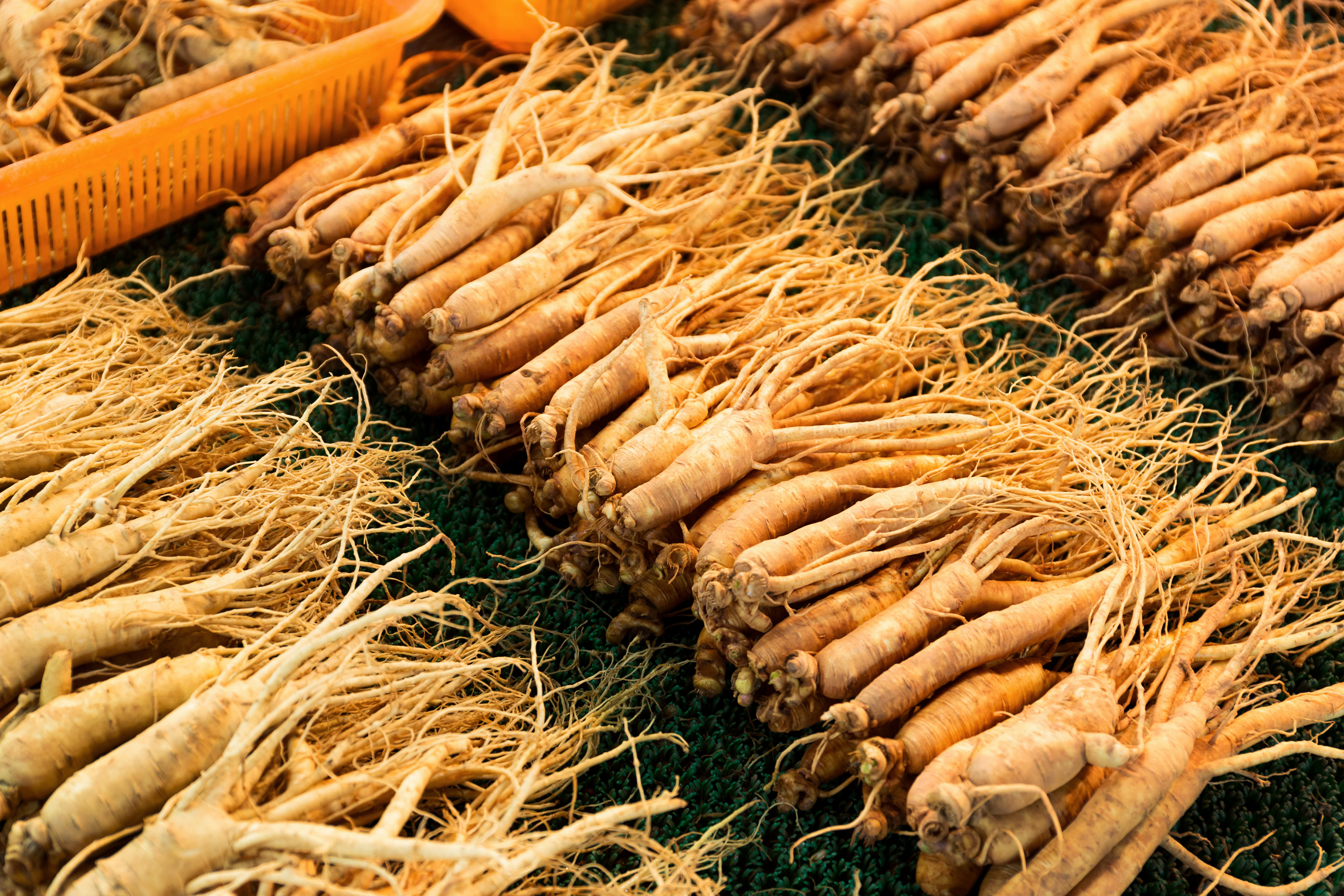
For more than ten years, Mountain Rose Herbs has been working with United Plant Savers (UpS) and other conservation organizations to address the alarming decline in wild ginseng populations in North America. Despite concerted efforts and the support of federal and state governments, as well as ethical ginseng forest farmers and wildcrafters, the state of this precious botanical in the wild remains precarious due to overharvesting and habitat destruction. With that in mind, we are delighted to say that a new way of farming ginseng is providing hope for the future of Panax quinquefolius!
If you’re at all familiar with Mountain Rose Herbs, chances are you’ve heard us proudly shout from the rooftops that sustainability is always on the brain here. The idea that all life can harmoniously co-exist alongside our planet—absent of imbalance between what is taken and what is provided—is a concept woven deeply into our company’s seams. Whether that be our commitment to organic agriculture, fair trade relationships, zero-waste innovation, plant and river conservation, or community support, we truly keep sustainability at the forefront of our minds.
Read More
Among the stellar organizations that Mountain Rose Herbs works with, our Fair for Life partnership is one that we are particularly proud of due to the demonstrable good that it does. Its principles impact people and the environments they live and work in around the world, as well as our community here in Eugene, Oregon.
Read More
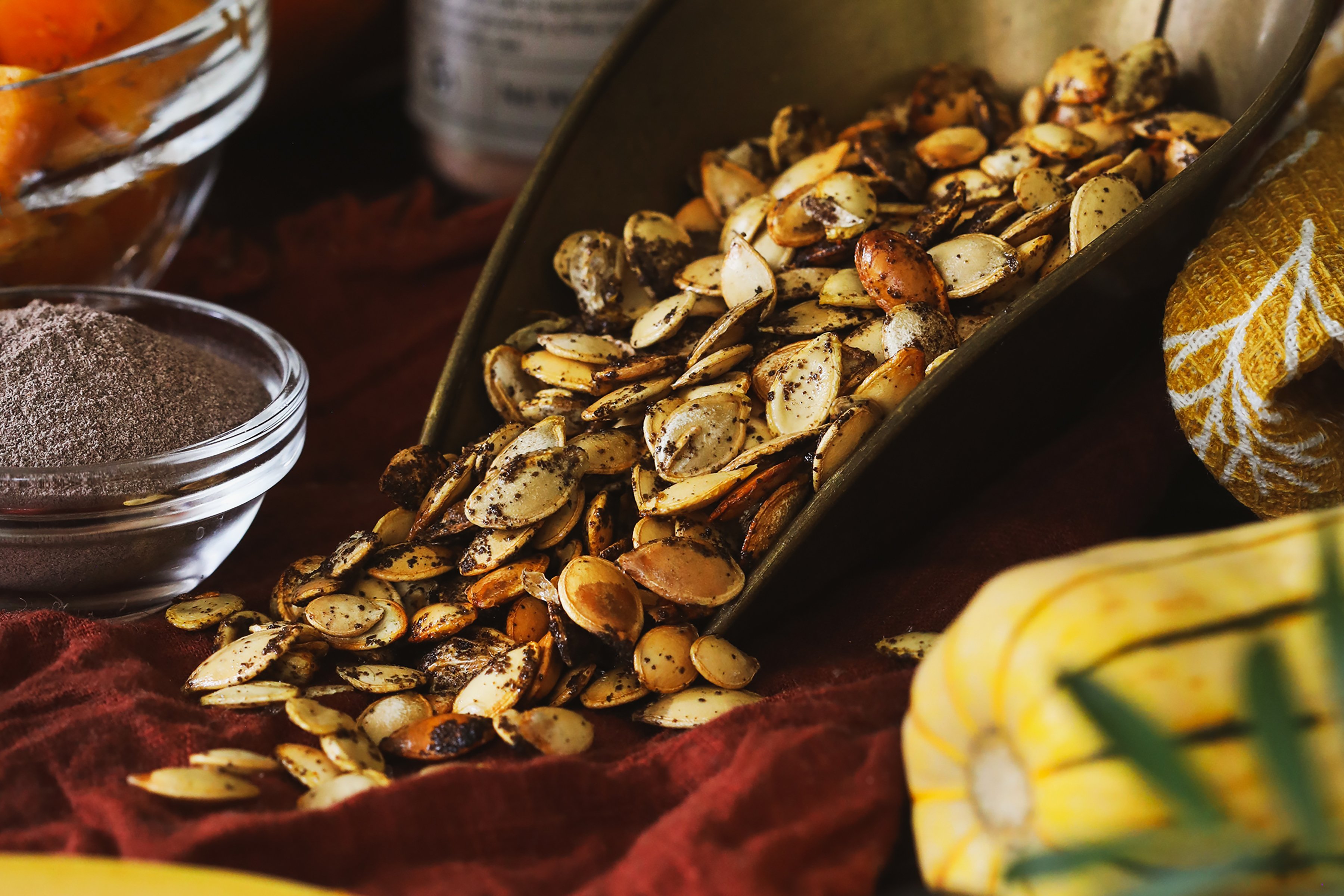
If I had a quarter for every time I’ve found myself guiltily staring down at the seed-speckled mushy remnants of a squash I freshly gutted, I’d be retired and roaming somewhere around the Oregon Coast by now. “What in the world am I supposed to do with all these seeds?,” I’d grumble to myself as the seeds seemingly stared back up at me with a desperate look of maybe, just maybe, this will be the day I use them to their full potential. Repurposing seeds that would otherwise be destined for the compost bin can feel intimidating, time-consuming, and messy (full disclosure – the messy part is true!).
Read More
On a warm October afternoon in 2021, roughly 40 personnel from Oregon forest agencies, area tribes, and conservation groups, including the Long Tom Watershed Council, gathered on the Andrew Reasoner Wildlife Preserve outside Eugene. Among them were a dozen Native American firefighter trainees who had spent the week learning the essentials of wildfire suppression. That the culmination of their training would be the deliberate burning of an eight-acre parcel of land might strike some as contrary, even outrageous. As a former National Park Ranger who served as a firefighter in the early 90s, this certainly flew in the face of the training I’d received.
Read More
Irradiation of food is a topic that is increasingly showing up as a point of concern for Mountain Rose customers. The U.S. Food and Drug Administration (FDA) approved the use of food irradiation in 1963 to kill bacteria, molds, insects, etc. in wheat and flour. Today, the FDA has approved irradiation for fruits, vegetables, eggs in the shell, spices and seasonings, sprouting seeds, poultry, crustaceans and shellfish, and red meats. Food irradiation involves exposing foods to one of three different types of ionizing radiation: gamma rays from cobalt-60, x-rays, or electron beams. The FDA uses this technology to improve food safety and extend storage and shelf life. Meanwhile, the United States Department of Agriculture (USDA) National Organics Program (NOP), which oversees the nation’s organic labeling, prohibits the use of irradiation to treat organic products because the process alters the natural state of food. These two opposing views present consumers with something of a conundrum.
Read More