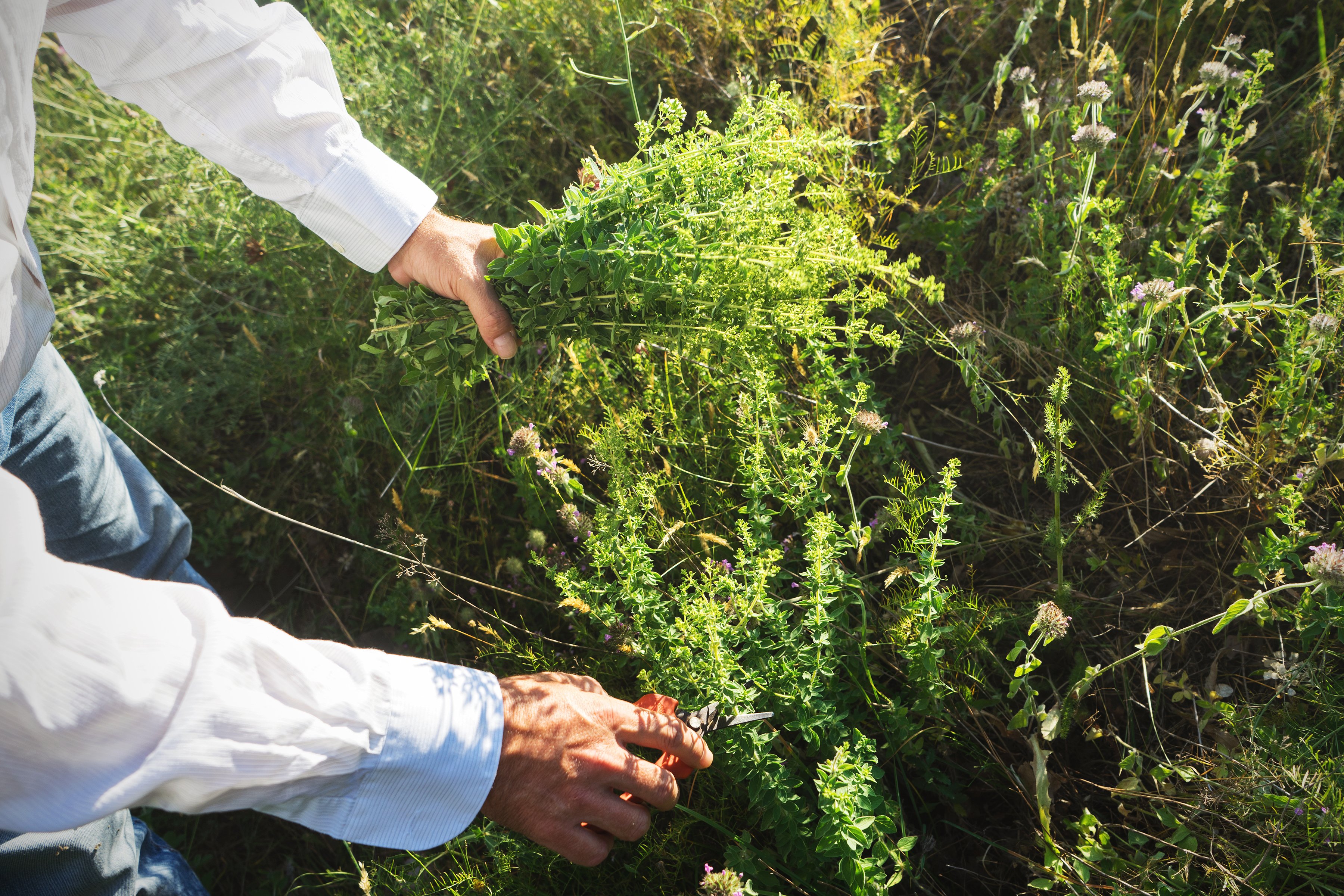

As the springtime sun begins to shine through the clouds and blossom-speckled botanicals make their annual debut, there is no better time of year to celebrate the profoundly magical flora that surrounds us. Each year, the first Saturday of May we celebrate Herb Day. This holiday is an opportunity to bring together herbalists, environmentalists, and plant enthusiasts alike for a day of honoring our planet’s beloved botanicals. Throughout existence, plants have served as a lifeline of oxygen, energy, food, and medicine that play a crucial role in the future and longevity of Earth’s living creatures. For thousands of years, plants have been utilized around the globe as an integral healing resource that has shaped the world of herbal wellness we know today.
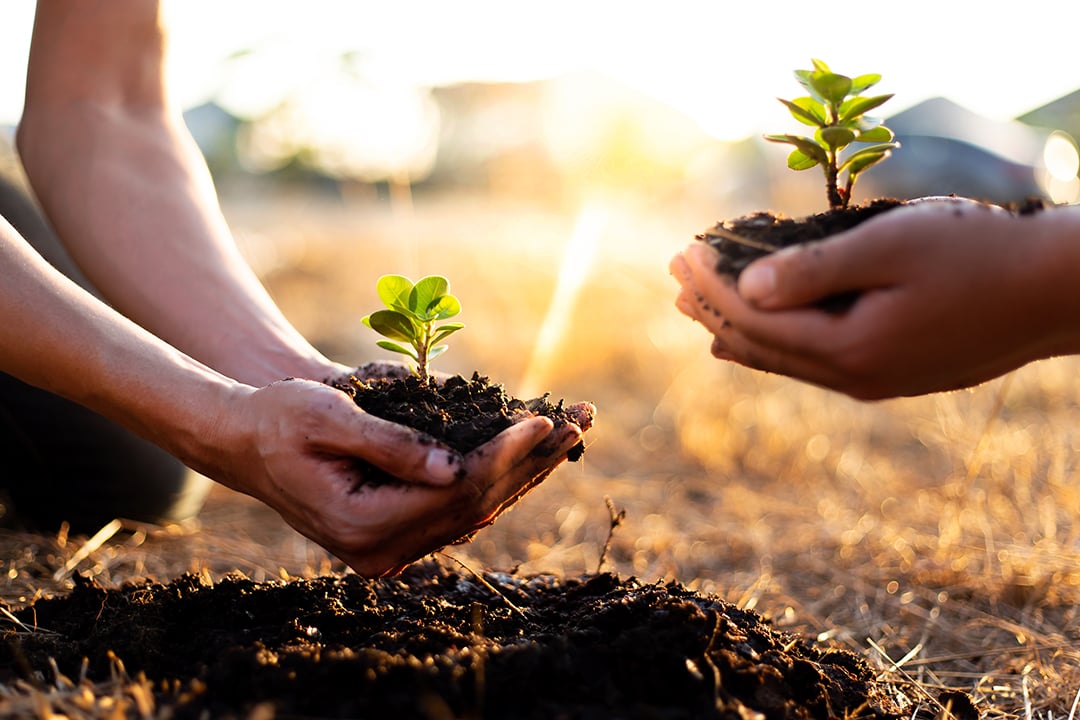
Read MoreWe are thrilled to launch the very first Mountain Rose Restoration Project of the year, and what better day than Earth Day? On Monday, April 22nd, we partnered with Friends of Trees, a local nonprofit organization, to coordinate the largest Mountain Rose Restoration Project, yet!
Read More
This year for Earth Day, Mountain Rose Herbs is joining Earth Day Oregon, a coalition of local nonprofit organizations and businesses dedicated to celebrating Earth Day, protecting the environment, and making a positive impact in our communities. Throughout the month of April, Earth Day Oregon serves as a central hub, gathering and showcasing a diverse array of events hosted by nonprofits and businesses across the state. From tree plantings and river cleanups to educational workshops and sustainability fairs, we are thrilled to be part of the Earth Day movement, bringing together so many incredible community members!
Read More
Last week, I attended the Bioneers Conference in Berkeley, California, an annual gathering that brings together innovators and thought leaders to explore solutions for social and environmental challenges. The conference featured a diverse range of speakers, workshops, and presentations on topics such as sustainability, social justice, climate change, regenerative agriculture, and Indigenous knowledge.
Read More
As the Sustainability Specialist for Mountain Rose Herbs, I am proud to work for an independently-owned company committed to doing better, every day. Liberated from the pressure to cater to financial shareholders, we can join forces with like-minded companies and organizations and work collaboratively on sustainable solutions. An organization leading this initiative is One Step Closer (OSC), a coalition of visionary CEOs committed to advancing sustainable practices in food, agriculture, and the environment. Our own CEO, Cameron Stearns, had the honor of being accepted into the OSC ranks, joining the Packaging Collaborative as well as the J.E.D.I. Collaborative (Justice Equity Diversity and Inclusion).
Read More
In a world where every action leaves a mark, the question isn't whether we make an impact but rather how we make an impact. Enter the realm of “impact reports”— a transparent lens where companies provide a comprehensive overview of their operations, initiatives, and contributions. It's not just about the triple bottom line — it's about revealing the full scope of their footprint. This transparency helps bridge the gap between intention and action, ensuring companies build strong relationships by following through with commitments to responsible business practices.
Read More
Nowadays, we are all aware of the term “organic,” but what does that really mean in the world of agriculture? Last week, I had the opportunity to attend a film screening of “Organic Rising,” the first feature-length documentary to demystify organic agriculture for the consumer. This event was organized by several Oregon nonprofits, followed by a panel discussion with the film director. I am excited to share groundbreaking insights and community reflections with you.
Read More
Here at Mountain Rose Herbs, we stand for a future in which domestic, diversely-owned farms thrive, growing organic herbs and becoming more resilient each year by sustainably adapting to changing climates. What’s needed to make this dream come true is a just, regenerative agriculture system that truly supports and values farmers. Last week, I had the opportunity to join 800 farmers and producers at our local university’s Small Farms Conference to learn how to make this future a reality.
Read More
In Oregon, winters are notoriously known for rainy days, cloudy skies, and wet everything. Some may find it challenging to live without consistent sunshine, but there are many benefits to a seasonal abundance of water. The bioregion of Cascadia consists of numerous rivers, streams, and waterways that carry life to the land, providing nourishment for all species from the top of mountains down to the Pacific Ocean. In some areas, annual rainfall can reach up to 200 inches! So, what do we do with all this water?
Eating sprouted seeds is a relatively recent culinary trend in the U.S., even though they are ridiculously easy to grow and can be an excellent source of potassium, magnesium, folate, beta-carotene, calcium, vitamin C, and vitamin K. These days, bean sprouts, grain sprouts, and salad sprouts are readily available at farmers markets, natural foods stores, and in the produce section of many grocery stores. But I grow my own because it’s easy to do, saves me money, and I like to keep control over the process to ensure that the sprouts I feed my family are safe and at the peak of flavor and nutrition.
In a hyper-connected world full of consumption, how do we make the best choices when purchasing products? How do we determine the impact of our decisions based on our values? Now more than ever, we are faced with businesses greenwashing customers, and as a result, consumers have become detached from where things come from or how they have come to be. Terms like “natural” or “therapeutic” are used with reckless abandon and we are given minimal information to make the best choices for our bodies and our planet.
Read More