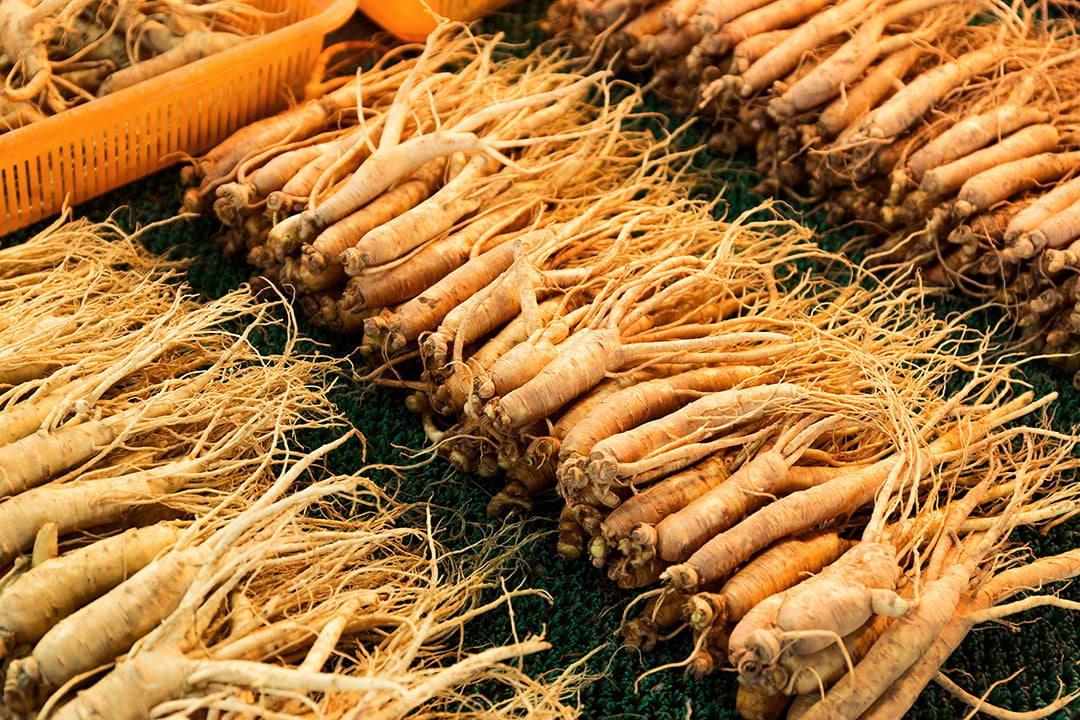
Before jumping into all the amazing qualities of American ginseng, I first wanted to share a bit about my personal journey with this plant. For a long time, I did not feel comfortable working with ginseng. A big part of my herbal practice is ensuring that I’m working with herbs in a way that honors the ecological and social impacts of my choices. As you may know, ginseng is on the United Plant Savers’ At-Risk List and is also in Appendix II of the Convention on International Trade in Endangered Species list, meaning it is at risk of becoming extinct if trade is not better controlled. Ginseng has been on these lists for many years and remains a plant that continues to be overharvested and poached to the point of ecological harm. Yet over the years, several passionate industry peers have stepped up to the challenge of making ginseng sustainable and accessible while not affecting the already threatened wild stands.
Read More
The wild harvesting of botanicals is a practice as old as herbalism itself and many of the cornerstone products here at Mountain Rose Herbs are collected in this tradition. These important herbs may come from the temperate mixed forests of Eastern Europe, shrublands of Africa, or closer to home in the Appalachian Mountains of the United States.
Organics is not a new concept—it's how humanity sustained itself for millennia. There was a time when we didn't question whether our food was laced with chemicals or genetically altered, yet here we are, living in an era where "organic" has become a movement rather than the norm.
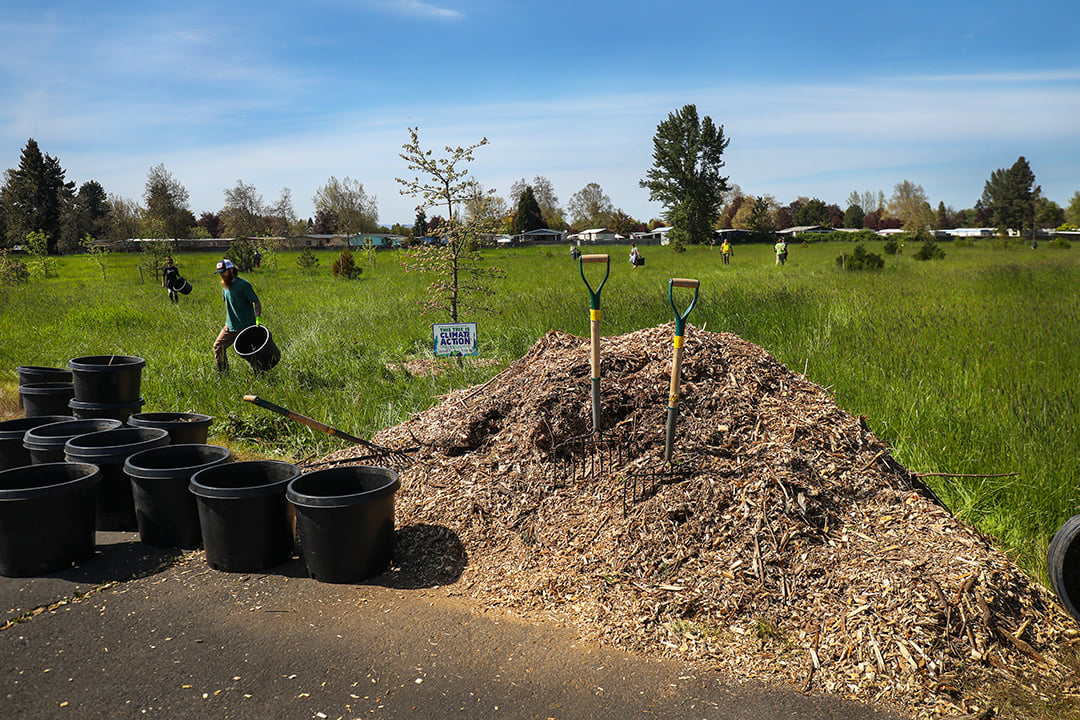
At Mountain Rose Herbs we work hard every year to maintain the TRUE Zero Waste Certification. Our goal is to reduce our environmental footprint and be leaders in responsible business practices. TRUE stands for Total Resource Use and Efficiency. The program is designed to rate how well a facility performs in maximizing efficient use of resources and reducing material being sent to landfill or incineration (Waste to Energy).
Read More
As it grows, a sustainability-minded company strives to become ever more transparent in its actions and accepts accountability for its impact on the environment. The most diligent company will implement a team of individuals from within to analyze these systems, identify potential deficits, and look for ways to mitigate them. Here, at Mountain Rose Herbs, our Green Team does just that.
For many years, we have celebrated Buy Nothing Day. Founded in Canada in 1992, the Buy Nothing Movement arose in protest of mass consumerism and the throw-away culture that accompanies it. The movement has grown and evolved over the past decades to include more than 65 nations. The biggest shopping day of the year—the day after Thanksgiving, or Black Friday—has become the movement’s international day of protest: Buy Nothing Day. Here at Mountain Rose Herbs, we applaud this effort and wholly support Buy Nothing Day! Overconsumption eats up natural resources and puts our planet in peril. As the Owner and President of Mountain Rose Herbs, I encourage you NOT to shop with us on Friday, November 29, 2024. The fact that we, as a society, have created a national holiday of shopping suggests that our priorities need realignment. Buy Nothing Day is our act of pushback.
Read More
For over 15 years, Mountain Rose Herbs and Eugene, Oregon-based Cascadia Wildlands have worked hand-in-hand to protect the wild ecosystems of the Cascadia bioregion. This partnership, rooted in a shared commitment to environmental preservation, highlights the importance of sustainable practices and the need for ongoing efforts to safeguard public lands. From supporting local conservation projects to ensuring responsible wildcrafting, Mountain Rose Herbs and Cascadia Wildlands have cultivated a symbiotic relationship that strengthens both organizations and benefits Cascadia’s biodiversity.
Read More
Mountain Rose Herbs is honored to work closely with small-scale producers around the world, either directly or through farming cooperatives. Many aspects of farming, wild harvesting, and processing are difficult and prone to outside pressures like natural disasters, market volatility, and climate change. These challenges are why we partner with Fair Trade Certified operations when possible.
Read More
As a person who aims to lead a sustainable lifestyle, I often find myself reflecting on the areas of my life where I can make sustainable swaps for common single-use items. While assessing my self-care routines, I noticed that my shower was the place that I had the most single-use plastic bottles. I also realized that I had the infamous “graveyard” of haircare products that I had tried but which, for one reason or another, hadn’t worked for me. Long story short, it was way more plastic than I was comfortable with having in my otherwise green household.
Read More
People often struggle to understand what “organic” means, and consumer research has revealed that many are not familiar with the regulatory and enforcement processes that uphold the organic seal. In response to this, the United States Department of Agriculture (USDA) has come up with four easy-to-understand pillars that make up the USDA organic label. Each pillar highlights a key component of the National Organic Program's (NOP) process for developing and enforcing organic regulations.
Tending an herb garden offers the herbalist a wealth of benefits. It offers a diverse selection of plants to work with and offers peace of mind of knowing our herbs are grown locally and with our love and attention. It also gives us the opportunity to explore and discover the life cycles of the plants in our care, which not only can deepen our relationship with our herbal allies, but also offers the opportunity to harvest and save their seeds.
Read More