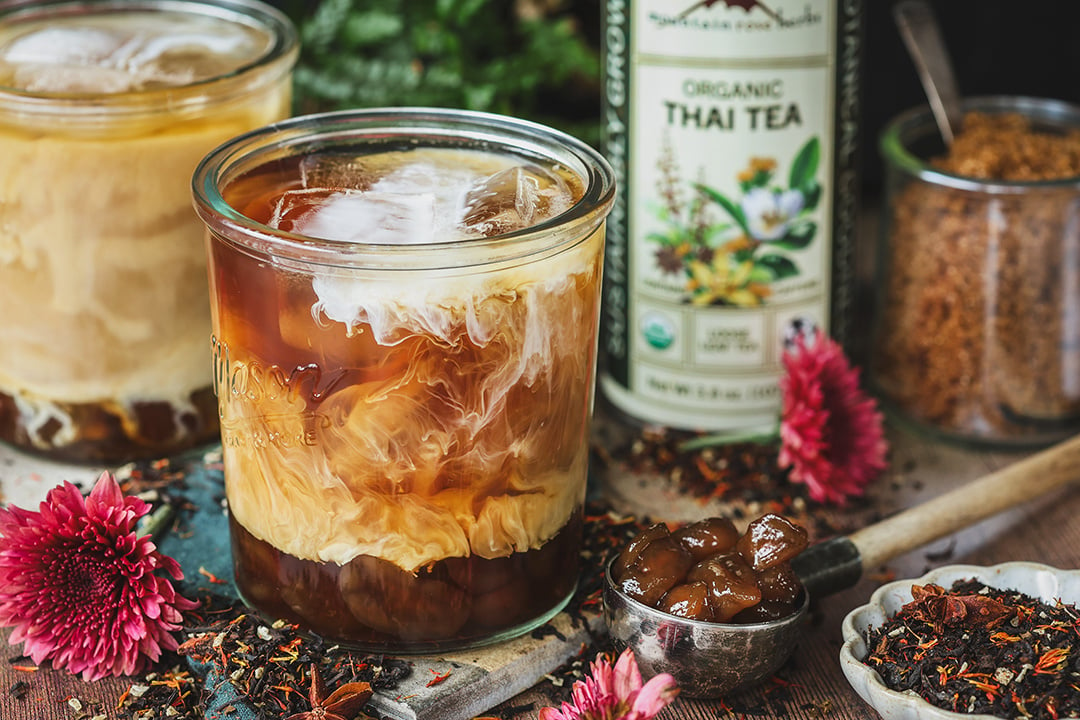

If you’re looking for a new warm drink to try this fall, a saffron latte might be just what you need. It’s warm and comforting, with a touch of decadence. The floral notes of saffron, mixed with a hint of vanilla and spice, create a delightful balance in this recipe.
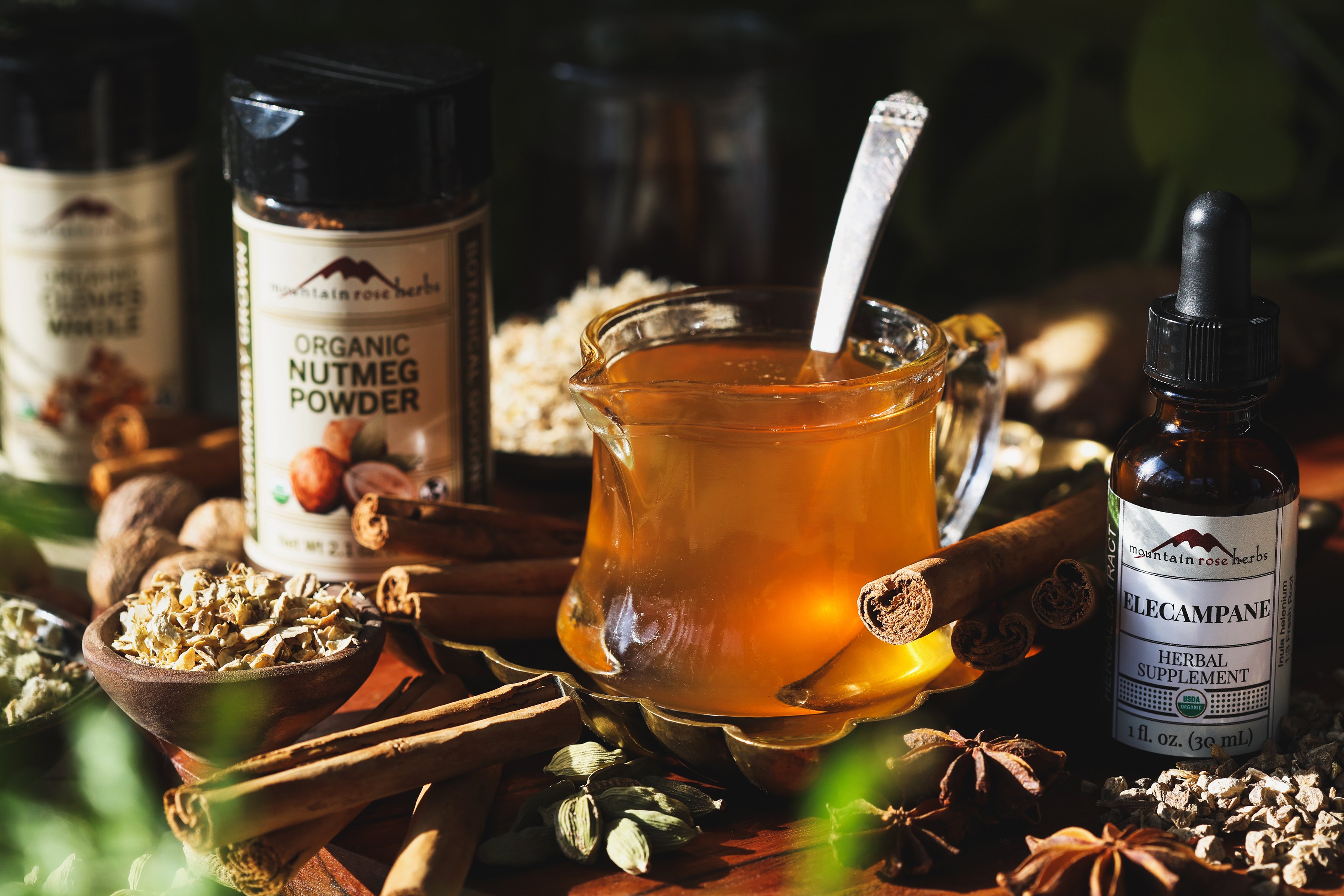
Read MoreThe first chilly winds of fall have reached western Oregon, signaling the hottest days of summer are coming to an end. With the change in season upon us, I am looking for ways to cozy up, nest in, and find warmth. One of my favorite fall practices is the process of making hot herbal drinks on the stove. I enjoy the time of stirring my colorful herbs and thinking about all of the wonderful ways they support my wellness as they dance around the pot. Luckily, Mountain Rose Herbs recently released their newest tea blend just in time for fall. With a warm, rooty aroma and a smooth but gently spicy flavor, the new Golden Milk Tea is the perfect addition to my want of all things warm and cozy.
Read More
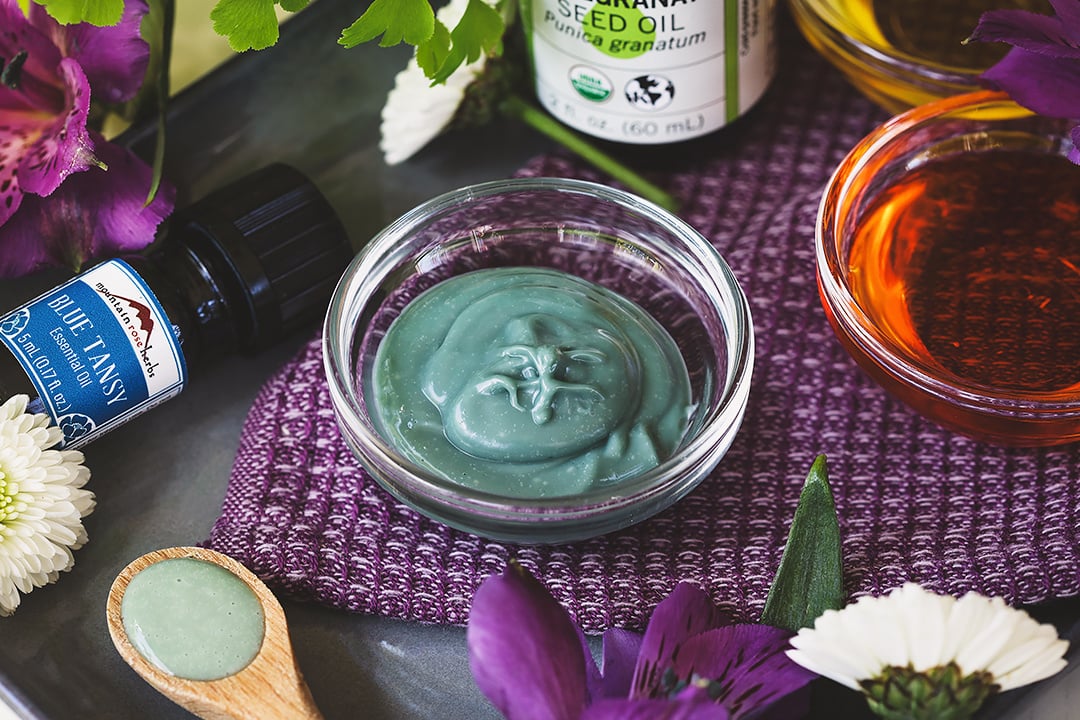
When mineral-rich rocks, natural weathering, and the span of a few hundred years become intertwined, the Earth provides a fine-grained material known as natural clay. For millennia, cosmetic clays have been utilized throughout nearly all ancient and traditional beauty regimens for their beneficial properties and applications for many skin types. The earliest use of cosmetic clay, or “medicinal earth”, dates back to the Stone Age by the oldest known early humans, Homo erectus and Homo neanderthalensis. Experts theorize the concept of using clay was sparked as our ancient ancestors witnessed animals instinctively bathing in mineral-rich mud. These early humans are believed to have mirrored the behavior with a natural clay earth pigment known as ochre to aid in wound healing and soothing irritations. Cosmetic clays have since evolved alongside humans and are a prevalent resource in traditional healing methods throughout Ayurveda, ancient Egyptians, and Indigenous American populations.
Read More
You may be familiar with castor oil for its long-standing reputation within the beauty industry as the secret weapon for maintaining luscious hair and providing deep moisture and protection for the skin. However, you likely aren’t as familiar with this precious oil’s fascinating history and countless additional applications. Along with being an effective humectant for scalp and hair, castor oil has been utilized throughout history in everything from cosmetics to leather tanning. Interestingly enough, castor oil has in recent years even been considered as a desirable substitute for petroleum resources used in the fuel production industry!
Read More
Sometimes I formulate my morning tea blend the night before, placing my tea-set on my desk so I’m ready to sip and write first thing. Other days, I blend in the predawn darkness as water boils, fingers caressing rough pu’erh 普爾, soft chrysanthemum, fragrant tulsi.
Read More
One of the many perks of working at Mountain Rose Herbs is that I am always being introduced to new ingredients. As a person who loves making sustainable and cost-effective DIY recipes, I was intrigued when I began learning about organic soap pod powder. At first glance, I thought this was a powdered form of deseeded soap nuts, from which I make my semi-famous liquid laundry soap. But upon a closer look, I realized it was an entirely different plant!
Skincare is all about balance. This is the basis of each natural skin care class that I teach. We should never be in battle with our skin, but rather, aim to help it maintain the balance it seeks. The cosmetics industry tells us the opposite. It tells us to use this cream for "anti-aging" or that treatment to "fight acne". They also push us into using harsh, drying soaps for our skin, especially oily skin. But did you know that oily skin is most commonly the skin’s natural defense to being too dry skin? In other words, the cleansers used to get rid of oil are actually perpetuating the problem.
Seaweeds are one of the best foods to keep stocked in your pantry. Not only are they incredibly shelf-stable, but they add complex flavors to many kinds of meals, including soups, savory breakfasts, and stir-fries. Their nutrient density, however, is really where they shine. Seaweed is packed with necessary vitamins and minerals. In fact, they contain almost all of the essential amino acids, minerals, and trace elements the human body needs.
Read More
During a video shoot in Portland, Maine, I had the opportunity to explore the world of wild-harvested organic seaweed. The pristine coastline and sustainable harvesting practices showcased by local foragers deeply impressed me. Witnessing the care and respect given to these marine plants inspired me to incorporate more seaweed into my cooking. The versatility and rich umami flavor of seaweed made it an exciting ingredient to experiment with in various recipes.
Read More
Organic vegetable glycerine—known as glycerol and sometimes spelled glycerin—is an effective alternative to alcohol-based tinctures for extracting and preserving many beneficial herbal constituents. Of course, infusions, decoctions, and oxymels are ideal for many herbal wellness goals that don’t involve alcohol, but glycerites—the medicinal preparations made by mixing vegetable glycerine with herbs—can open new opportunities for teetotalers, parents, and those who do not wish to have alcohol. Bonus: it tastes good! Glycerol is a clear, colorless, odorless liquid with a viscous consistency and a pleasing sweetness that makes it a good base for botanical flavors.
Read More
As I move and shake my way out of cool-weather hibernation (and try to shed some extra winter insulation), smoothies become the perfect breakfast and/or lunch for me. These nutritious drinks keep me feeling light, but still nourished and focused, and I love discovering new ingredients to add to my favorite blended recipes.
Read More