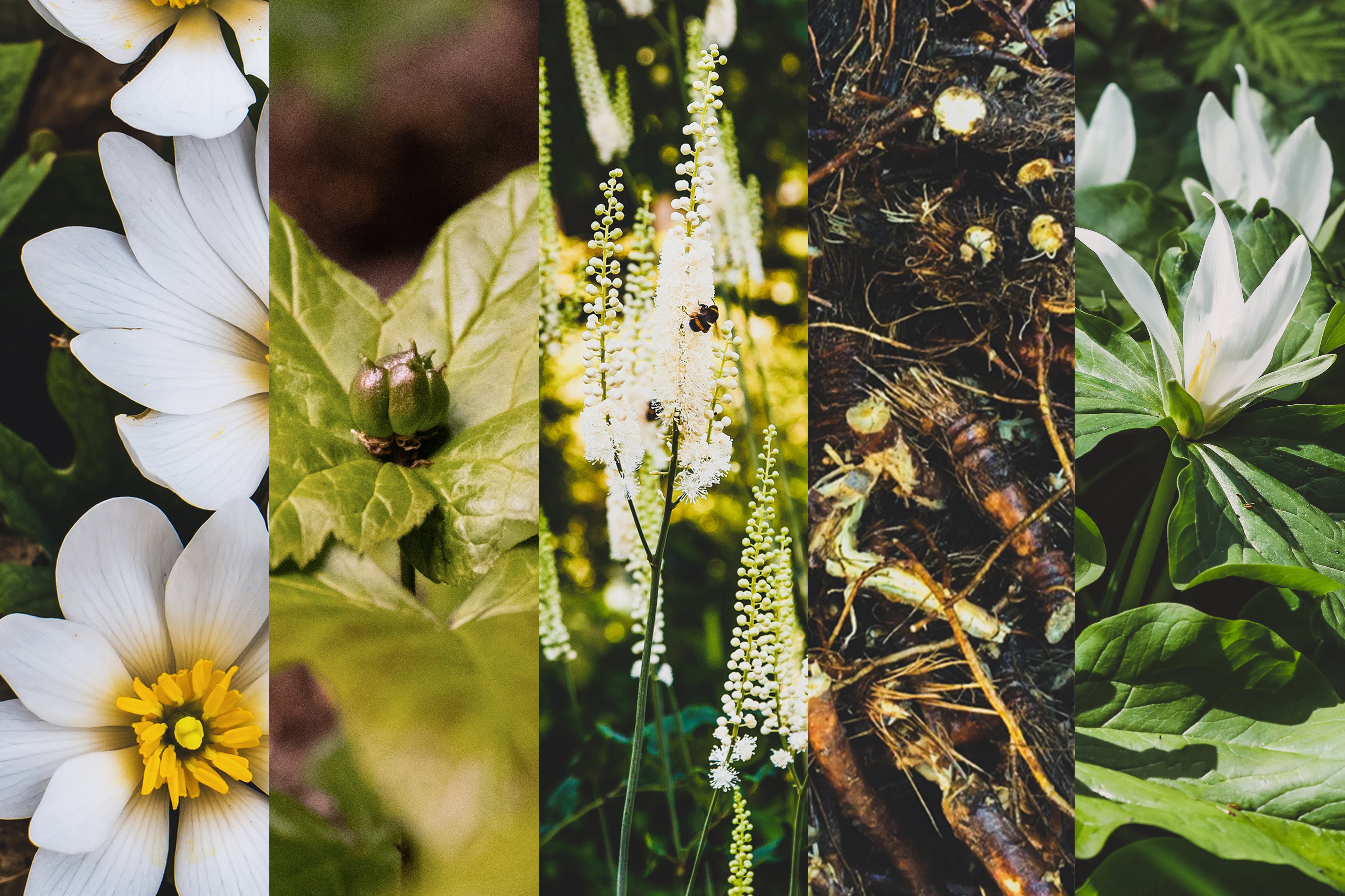
Readers of the Mountain Rose Herbs blog know that one of our primary concerns is the ongoing and increasing impact of overharvesting on wild plants. Some of the most popular medicinal herbs in the world—for example, goldenseal, bloodroot, black cohosh, trillium, and osha—are at risk and/or endangered. As well as rampant wildharvesting, these precious botanicals are impacted by land use issues and climate change, which are becoming more problematic. As a bulk herbs company dedicated to putting people, plants, and planet before profit, we believe it is our responsibility to do everything possible to find solutions for our herbal allies. One way we do that is to work within the regulations set forth by CITES—the Convention on International Trade in Endangered Species of Wild Fauna and Flora.
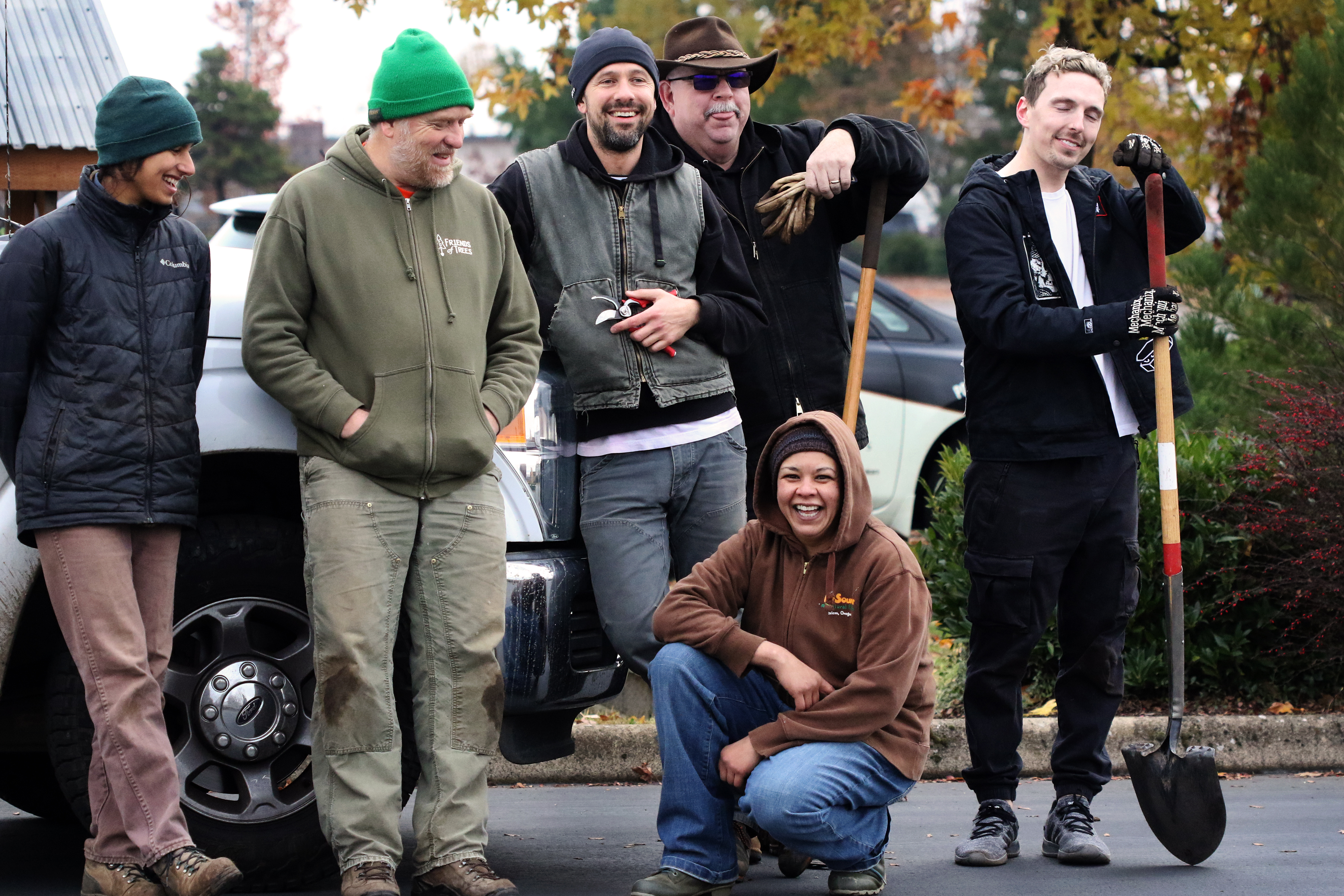
Read MoreRain had been falling for the better part of the last week but on the morning of Wednesday, December 7th, with the skies partially clear, the Mountain Rose Herbs Green Team was working to enhance the landscape at our new campus. By midday, we had carefully planted two Aspen, 24 Kinnikinnick, 34 Ponderosa, and 250 Camas bulbs into the expanding green space that makes up the western border of the property. Five staff members, working for a total of 10 hours, completed this work as part of our effort to build a vibrant landscape that blurs the lines between the commercial/industrial use of the facilities and an ecosystem that is representative of the southern Willamette Valley.
Read More
People often assume that sustainability is not compatible with the tenets of successful business management. However, Mountain Rose Herbs is an excellent example of how a company can be guided by the principle of putting people, plants, and planet before profit and how business decisions can successfully consider both the environmental and social impact of operational choices and costs. Keeping sustainability at the core of our business practices means we are aware of the full cost of doing business and we make decisions consciously to minimize any negative impact that our company might have on our community, ecosystems, and ultimately the planet. With a history rooted in environmental and social activism, we cannot imagine operating a business any other way.
Read More
In 2001, when we moved Mountain Rose Herbs from California to Pleasant Hill, Oregon, we made the move to be closer to our farm partners, wildharvesters, and processors. But another key factor in our decision was Oregon Tilth Certified Organic (OTCO), a Corvallis, Oregon nonprofit that was reimagining how the world’s food systems could work better for people and the planet. Founded on the fundamental belief that our food and agricultural systems should be sustainable and equitable, Oregon Tilth has spent nearly fifty years workingfororganic food and farming.
Read More
If you’ve been reading along on the Mountain Rose Herbs blog, you know we’re always looking for ways that we can make smart business choices that address climate change and invest in the health and wellbeing of our community and our planet. Committing to our alternative-fuel and electric fleet of company vehicles is one key piece to this commitment.
Read More
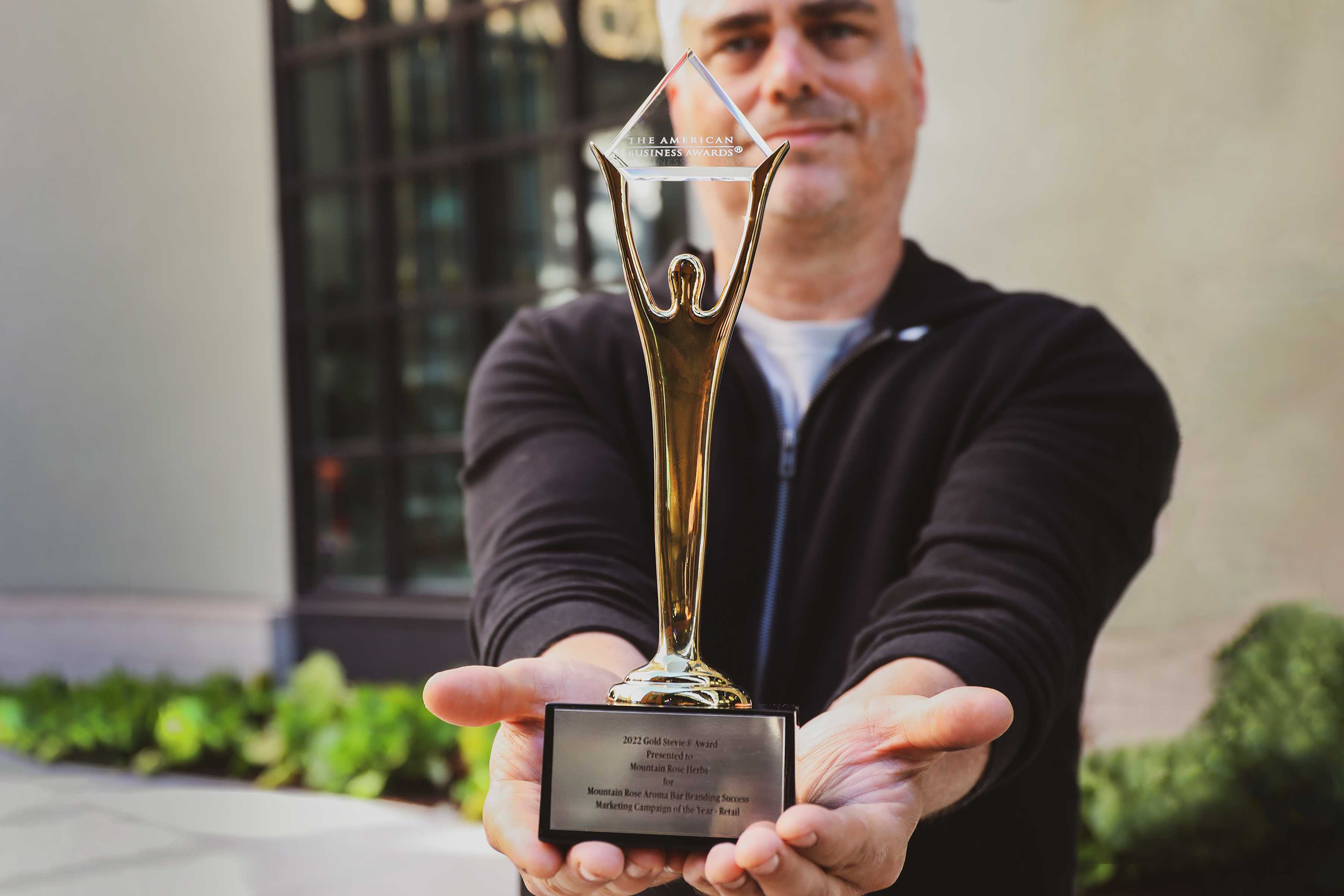
Longtime friends of Mountain Rose Herbs know we thrive on creating unique experiences. In 2021, it was no surprise to the people who know us best when we announced we were developing a first-of-its-kind essential oil marketplace. The Mountain Rose Aroma Bar is intended to engage the senses through high-quality, ethically sourced essential oils and personal aromatherapy products. So, we mindfully designed the Aroma Bar to provide shoppers with a sumptuous setting in which to experience some of the world’s most captivating pure essential oils. We are incredibly honored to announce that the branding and design of the Aroma Bar has just been awarded a Gold Stevie® Award and selected as the Marketing Campaign of the Year in the retail category of The 2022 American Business Awards®!
Read More
At Mountain Rose Herbs, we have been in a years-long process of shifting our procurement policies away from wildharvested herbs in favor of cultivated ones whenever possible. This policy was necessitated by the increasing impact of overharvesting on some of the most popular herbs and spices around the world. In some cases, for instance with white sage (Salvia apiana), we have been able to source excellent organic, cultivated options, which means we can continue to offer this herbal ally with a good conscience. In other cases, however, as with false unicorn (Chamaelirium luteum) and trillium (Trillium spp.), we have chosen to discontinue carrying an herb because we simply cannot find an ethical way to procure it. As we are navigating an increasingly complex procurement reality, I want to give you a peek behind the curtain, as it were, into why and how we determine what we can sell while prioritizing the overall wellbeing of people, plants, and planet.
Read More
Here at Mountain Rose Herbs, we want to minimize our carbon footprint both as a company and as a collective community of individuals. One way we do this is through our Alternative Commute Program. For years, we have been encouraging our team members to stay healthy and reduce carbon emissions by not traveling to work in single-occupancy vehicles. This year, to further incentivize and increase participation, we improved the payout structure of the program.
Read More
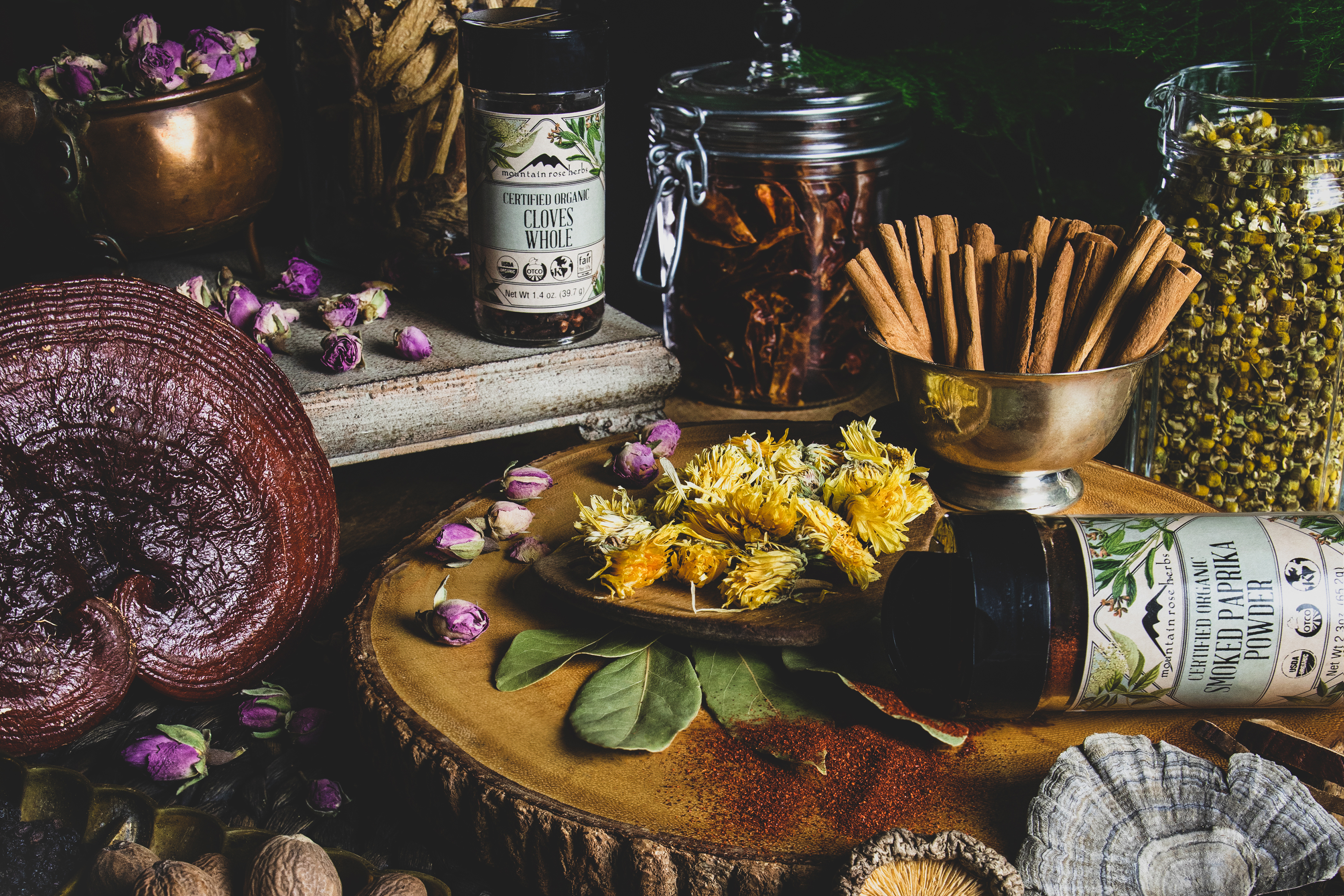
Recently, as I was making soup with my three-year-old granddaughter and teaching her to pronounce galangal root, I found myself in an extended game of “name that spice.” It turns out you can get through an entire elaborate Thai soup recipe with a toddler in this way; I highly recommend it. It goes something like this: Cute toddler points at spice jar and asks, “What is that spice?” Adult says, “Paprika. Smell it, what do you think?” Cute toddler makes funny face and spies another spice that looks similar. “Is that paprika too?” Adult is impressed. “Good eye, that’s smoked paprika. Does it smell different?” And on it goes like that through the colored jars. In this way, I was reminded that I have so many jars of excellent dried herbs and spices and it’s definitely time to check them for freshness.
Read More
Mountain Rose Herbs was built on uncompromising principles of ethical and sustainable sourcing of botanicals, but our purpose extends beyond that in the ways we give back. As many of you already know, we donate extensively to environmental nonprofits. But we’ve also created ways for our employees to support local causes that are important to them. In 2011, we launched a Workplace Giving Program in partnership with EarthShare. This employee-led program has generated thousands of dollars in charitable giving to community groups via donations from our employees, which we helped to facilitate through easy and convenient monthly paycheck deductions.
Read More
In the last couple of years, the global demand for seaweeds has skyrocketed. It’s no surprise, as seaweed offers a stunning array of nutritional benefits and packs a unique salty and umami punch due to its high glutamate content. Seaweed is also used in a variety of non-food applications, including cosmetics and beauty products, scientific research, traditional medicinal applications, biofuels, fertilizers, and more. Considering all the uses for these aquatic plants and the increase in demand for such products, it is more important than ever to consider best practices for harvesting and processing these precious materials. It is this consideration that drives Mountain Rose Herbs to work closely with our harvest partners in offering organically certified seaweeds.
Read More