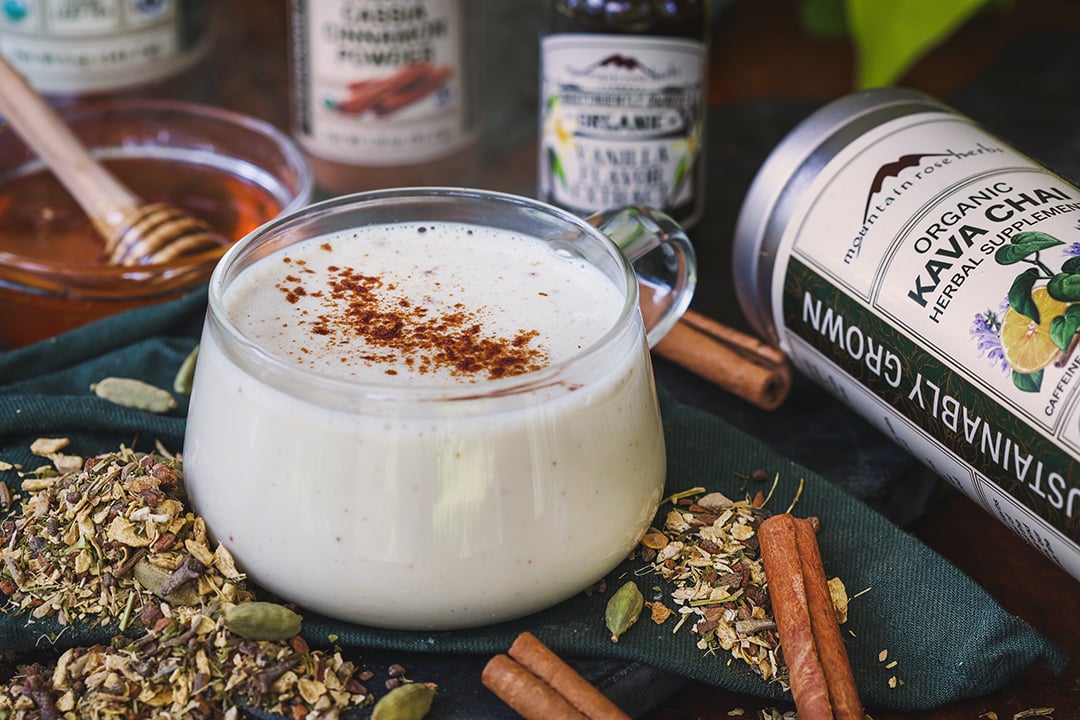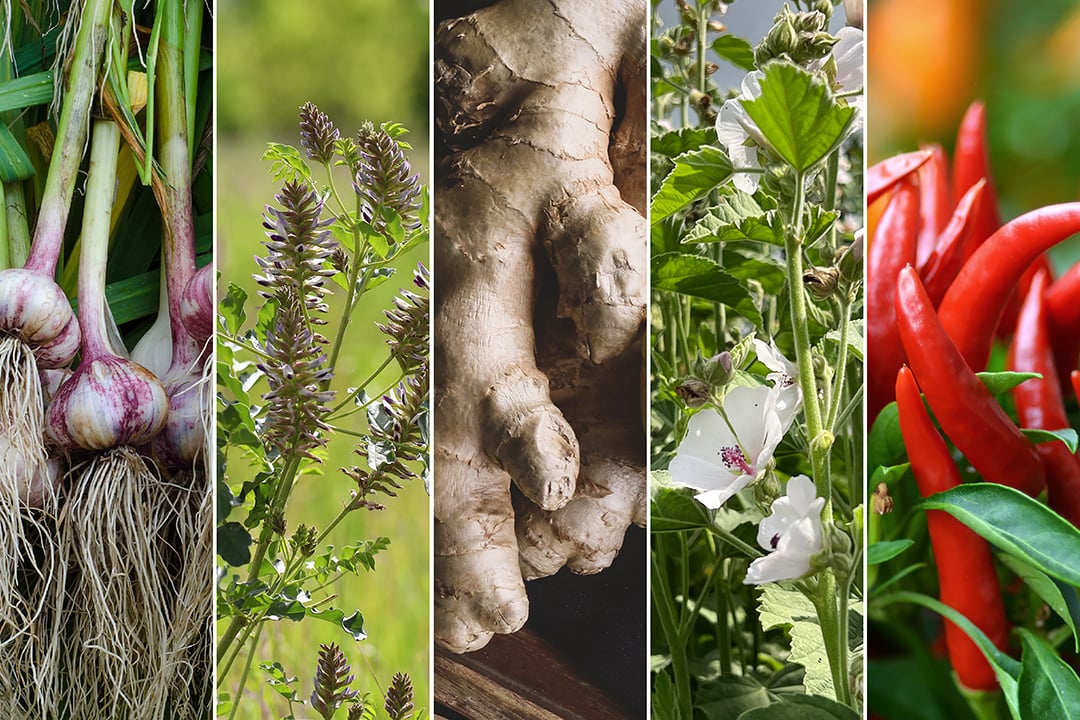

Herbalism encompasses a wide range of traditions, each with similarities and differences from each other. However, one core principle that applies to traditions found all around the world is herbal energetics. To some, the word energetics conjures thoughts of the esoteric or "woo-woo", but energetics are very real and can be felt in the body. You can experience this simply by sipping on a cup of ginger tea and then following that up with a cup of marshmallow tea. Upon sipping the ginger tea, your body will begin to feel warmth, followed by a drying sensation. After you have had time to sit with that sensation, sip on the marshmallow tea and feel the difference. The cooling and moistening effects will counteract the ginger and your body will feel very different after that next sip. That is energetics in action!
As a former football mom, doula, and military wife, I've had my fair share of experiences with the importance of staying hydrated. Whether on the field or in the delivery room, I've witnessed firsthand how dehydration can lead to serious situations. We've all had those days of overdoing the 'fun in the sun', or even just forgetting to drink during a hectic day. It's a mistake anyone can make. Understanding vital hydration helps you enjoy your adventures safely and healthily!
Read More
Opening children up to a world of wonder, nourishment, and magic can be as simple as introducing them to the plants that grow in your backyard. Learning how to sink in, slow down, and listen to the plants is both inspiring and grounding.
Read More
Vitalism has long been at the heart of natural healing traditions. It is rooted in the notion that there is a vital force which animates all Life. “Vital” means ‘essential’, in other words, life and healing can’t happen without it. Key essentials to life are diet, rest, movement, environmental conditions, and the pursuit of one's own unique calling in life.
Read More
The act of adornment is a spectacle found all throughout our natural world. From the late-spring blooms of indigo-hued camas adorned with starry-eyed flowers, to the impressive lekking rituals of male sage grouse boasting their fans of striped feathers, and intricately beaded earrings dangling above a vibrant dress, adornment appears in every corner on Earth. In the context of herbalism, botanicals can act as an internal and external embellishment, enhancing not only our physical health but also our spiritual and emotional well-being.
Read More
Fermented rice water has a long history of use in Asia as a hair rinse. When we soak or cook rice, we capture the natural inositol from the grain in the water. Inositol is a form of sugar that our bodies naturally produce to provide structure to our cells, and is also found in some foods, including grains and legumes like rice. Inositol-rich rice water, especially when fermented, also carries proteins, vitamins, minerals, and amino acids believed to support a healthy scalp, hair strength, and shine. Want to take it up another notch? Infuse rice water with hair-loving herbs!
Read More
Herbal medicine has a long lineage, and tinctures remain one of its most enduring preparations. On the surface, an herbalist tincture and an Aurelian Spagyric Tincture appear similar, as both are liquid herbal remedies preserved in alcohol and meant for therapeutic use. However, these two approaches diverge profoundly in their underlying philosophy, in the processes by which they are crafted, in the constitution of the final product, and even in the way they are administered. Exploring these distinctions reveals the depth of thought and refinement that separates a conventional herbal extract from the more complex spagyric tincture.
Heading back into the school season means that we are entering into a new season of needs. Even those of us without children at home feel the subtle shift—altered traffic patterns, busier schedules, and the ripple of energy that comes as our communities gather again for learning. This transition also brings considerations for personal well-being, particularly with the heightened exposure to group settings where our bodies may encounter new stressors (and maybe even some cooties).
By the time September rolls around, the summer garden and markets have mostly had their say. The jars of dried herbs are stacking up, the freezer is filling up, and my family is back to wearing sweaters in the morning. This is when I start thinking about my herbal pantry and what needs restocking and what can go.
You may have heard the recent buzz about North America’s only native caffeinated plant, yaupon. Yaupon (Ilex vomitoria) is making a resurgence, and it took concerns of tariffs and increased tea and coffee prices to bring this domestic caffeinated plant into the mainstream eye. However, Mountain Rose Herbs’ interest in this plant preceded the tariff-driven trend, and we are delighted to share more information about the relationship we've developed with this plant over the past 7 years.
Read More
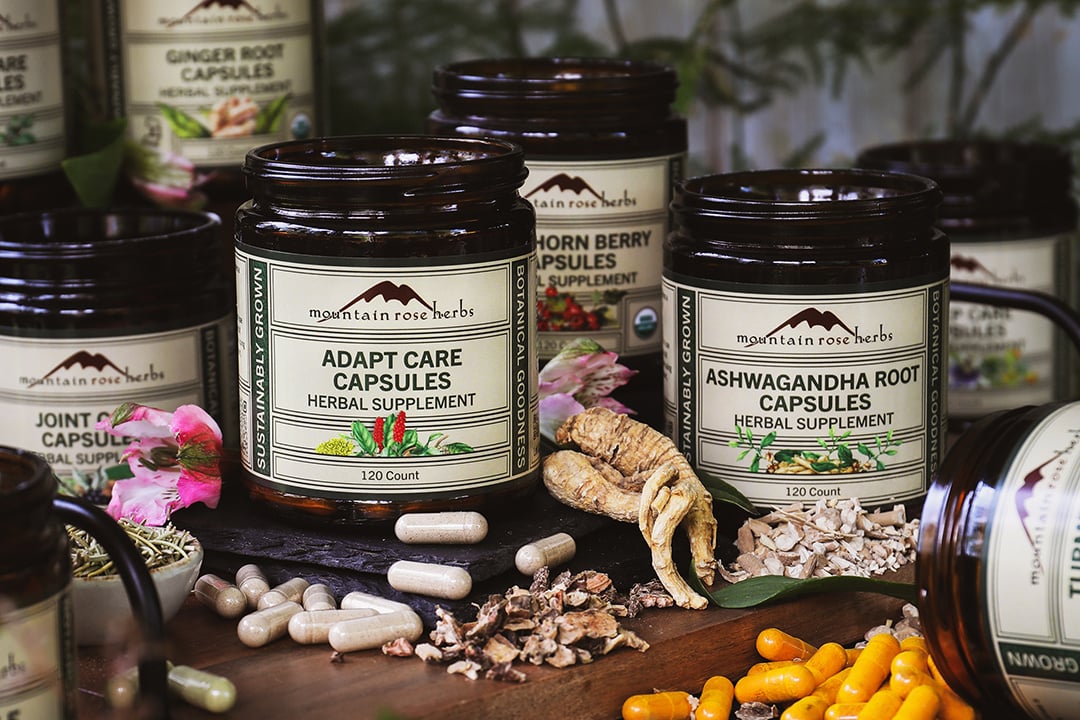
Natural Energy and Adaptogenic Herbs
Are you feeling drained, unable to sleep well, or struggling to maintain consistent energy throughout the day? Modern life often pushes our adrenal glands—the small but mighty glands responsible for our stress response—into overdrive. This leads to fatigue, stress, and a cascade of health challenges. Fortunately, there’s a natural way to support and restore balance: adaptogenic herbs. Adaptogens are nature’s solution to helping the body adapt to stress, regulate energy levels, and support better sleep. In this blog, we’ll dive into what adaptogens are, how they work, and the steps you can take to maintain natural energy and adrenal health.
Read More