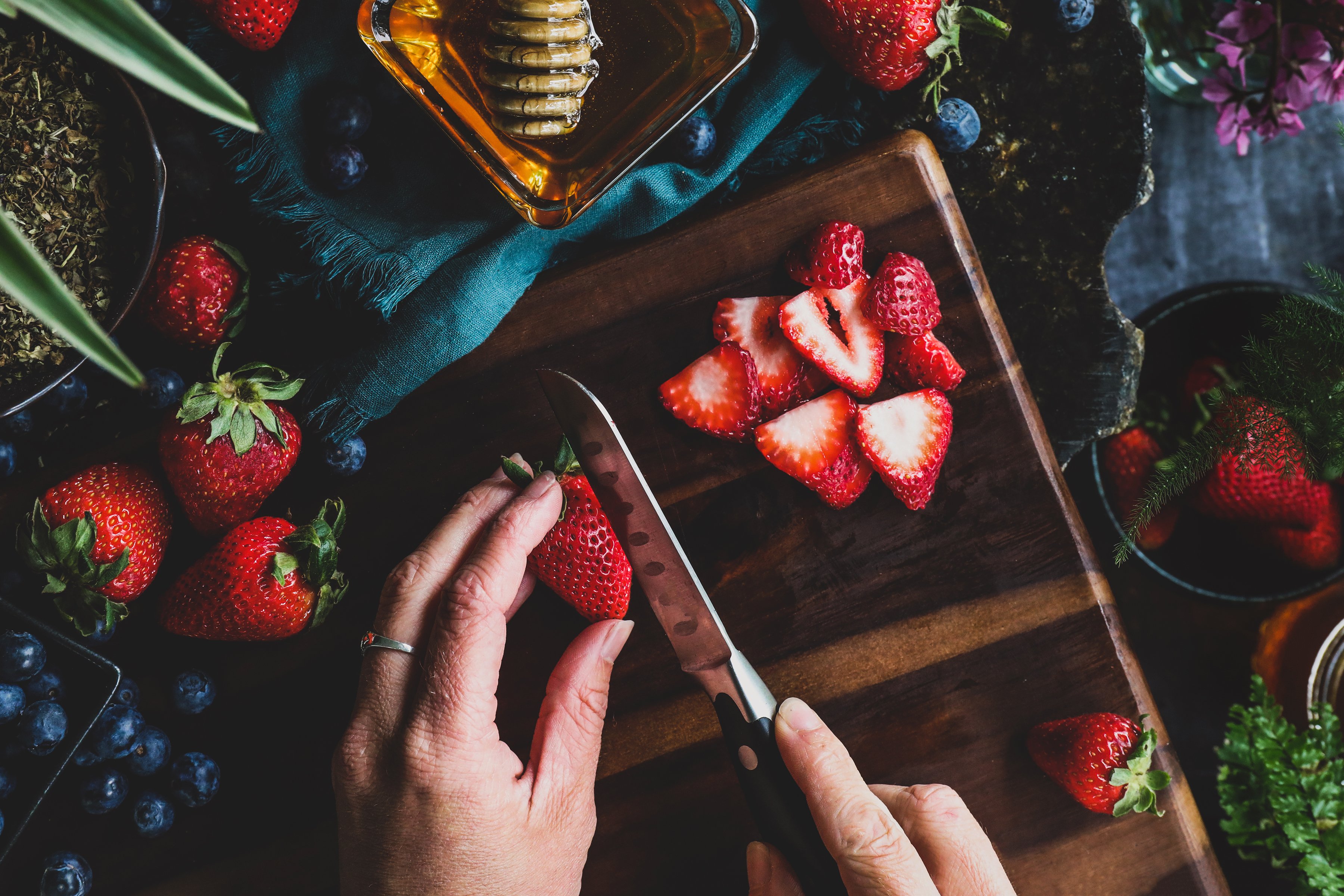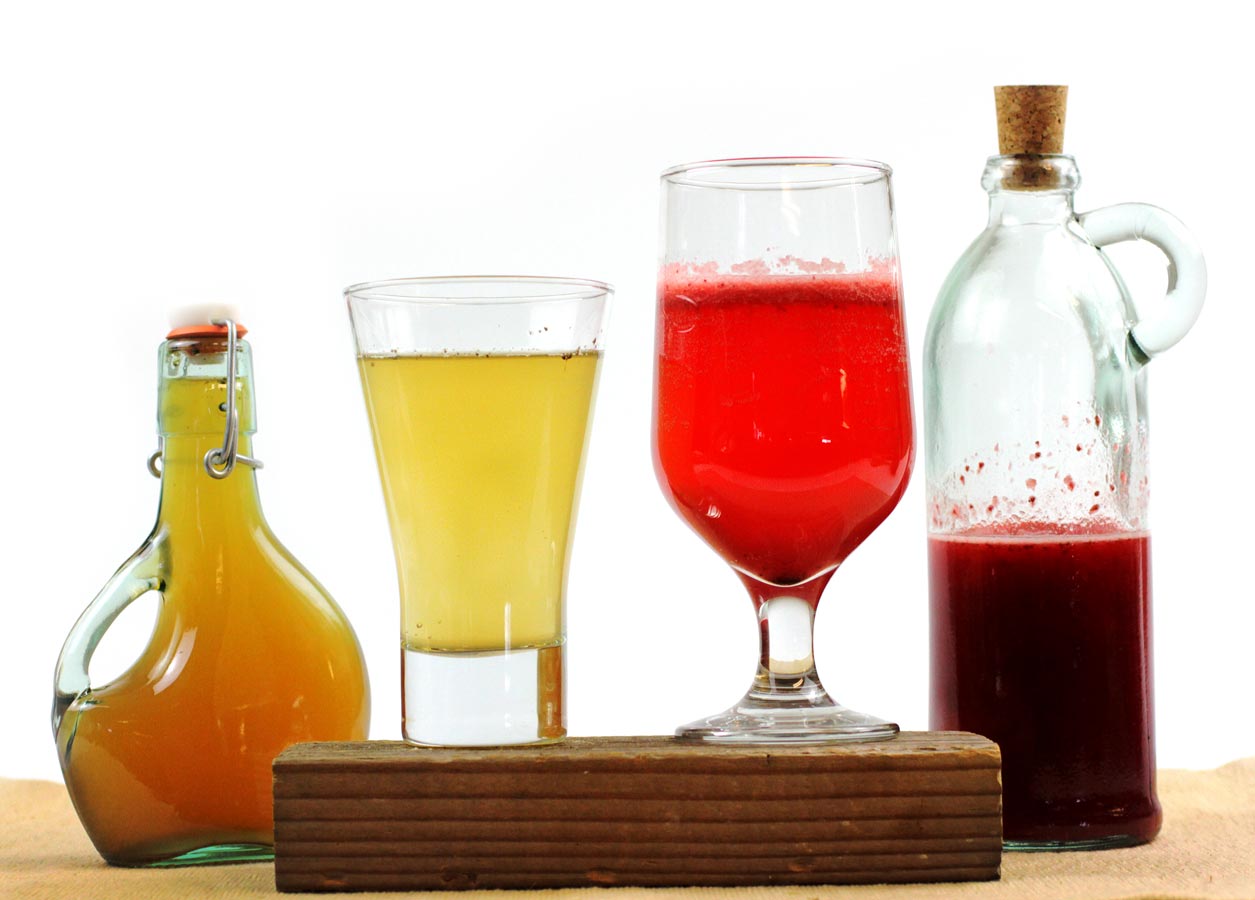


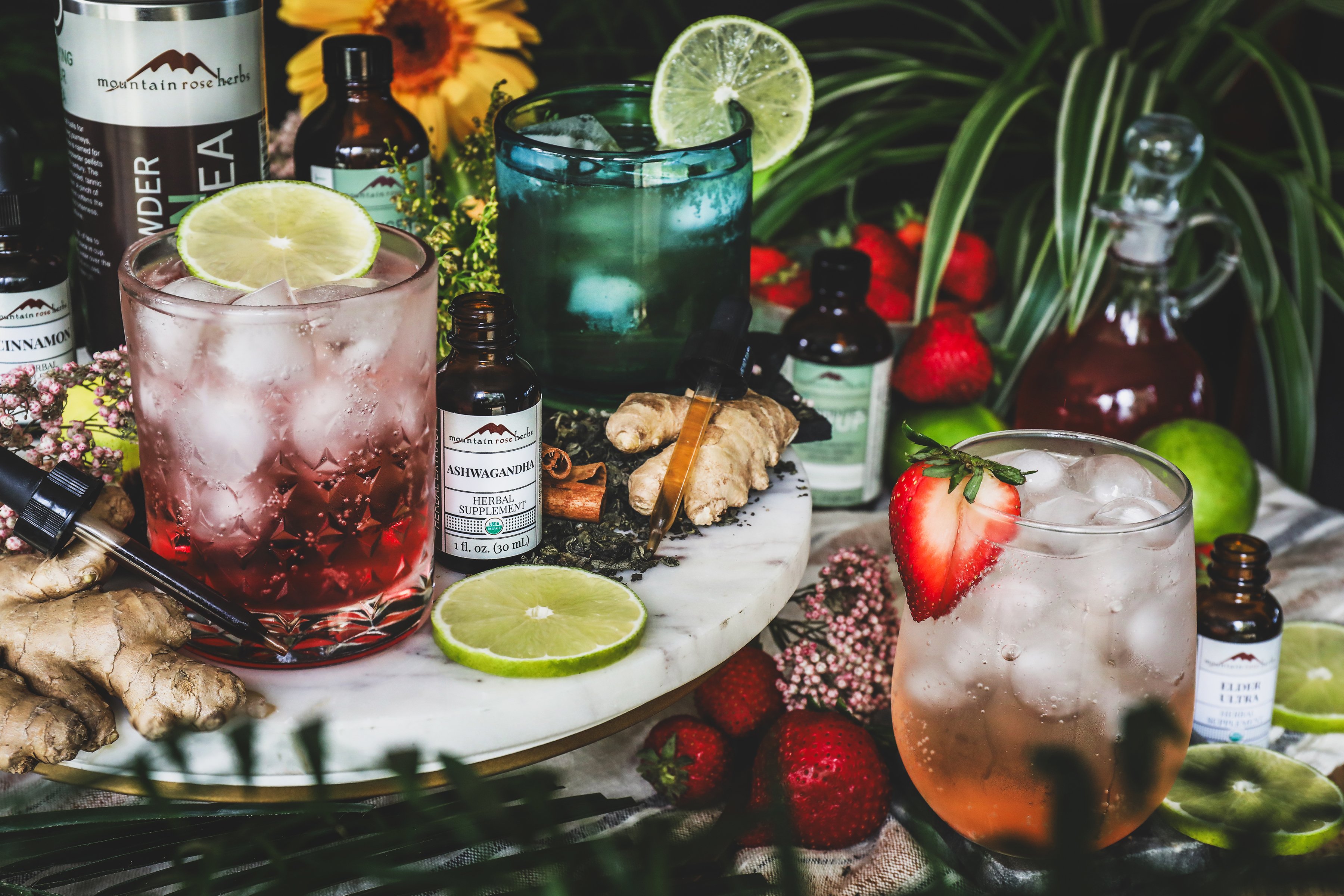
When the thermometer starts pushing up into the 90s, my good attitude takes a corresponding nosedive. As a Western Oregon pluviophile, I prefer my summer heat in small doses, preferably bookended by big cooling rain storms. So here we are in the annual dog days of summer when the days and nights are too hot, there do not appear to be any rainstorms on the horizon, and my whole self is on a 24/7 quest to pretty much always have something cold, hydrating, and nourishing in my hand to refresh my body and soul. Not only does this wonder-beverage need to be a delicious vehicle to support deep hydration and body and mind wellness, but it also has to be easy to whip up at a moment's notice. Fortunately, I am married to a talented mixologist. When the weather gets hot, he makes sure to have all the ingredients on hand for easy beat-the-heat carbonated drinks that include herbal extracts and syrups for an added wellness boost.
Read MoreHeidi
Recent Posts
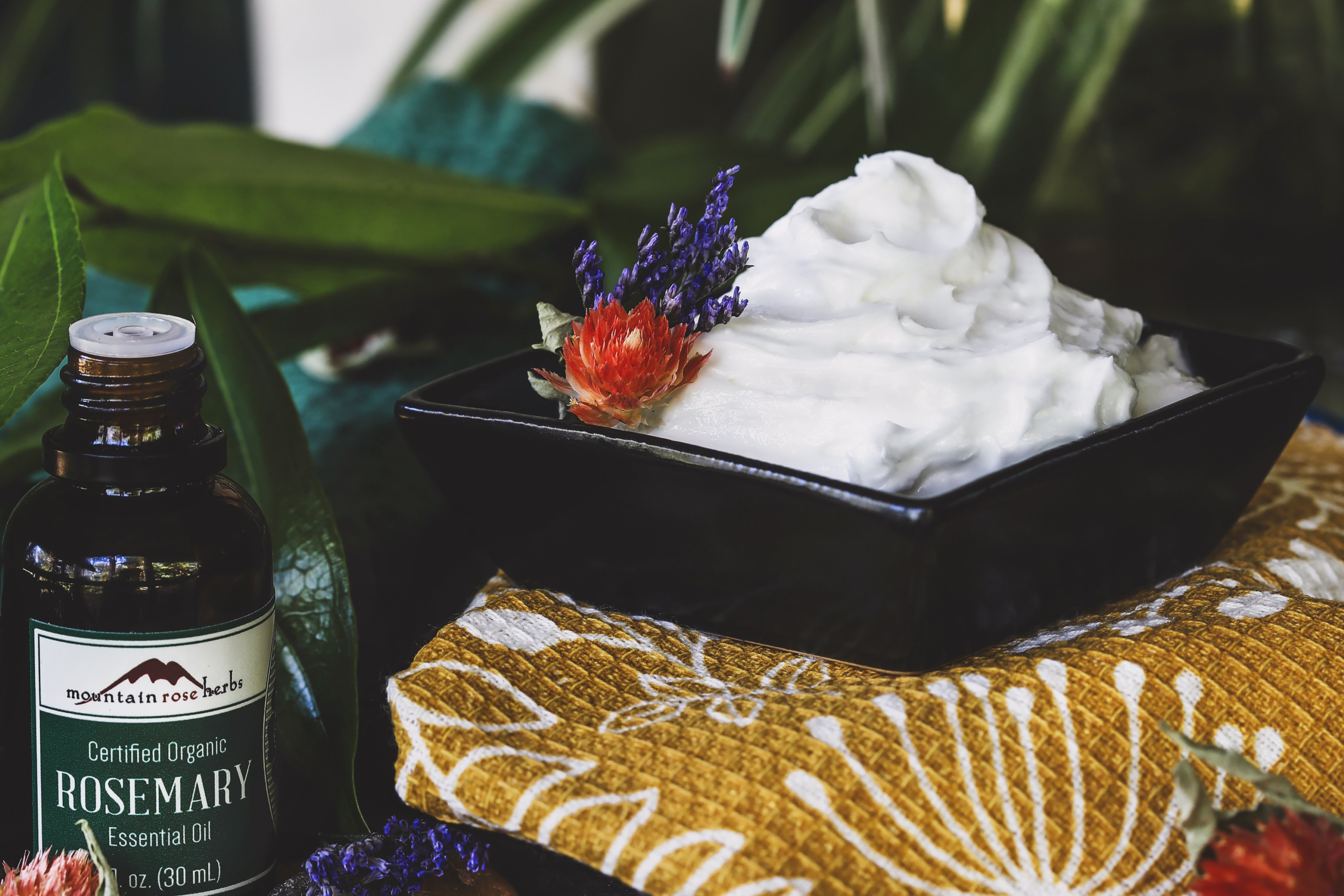
A good shaving cream can make all the difference in both the quality and comfort of a shave. It’s no wonder then that this homemade shaving cream recipe has been such a longtime favorite of the Mountain Rose Herbs community. Whether you’re working on your beard, your head, or a full-body cleanup, the rich texture of this cream feels wonderful on the skin as it nourishes, hydrates, and makes a perfect surface to safely and comfortably shave away unwanted hair.
Read More
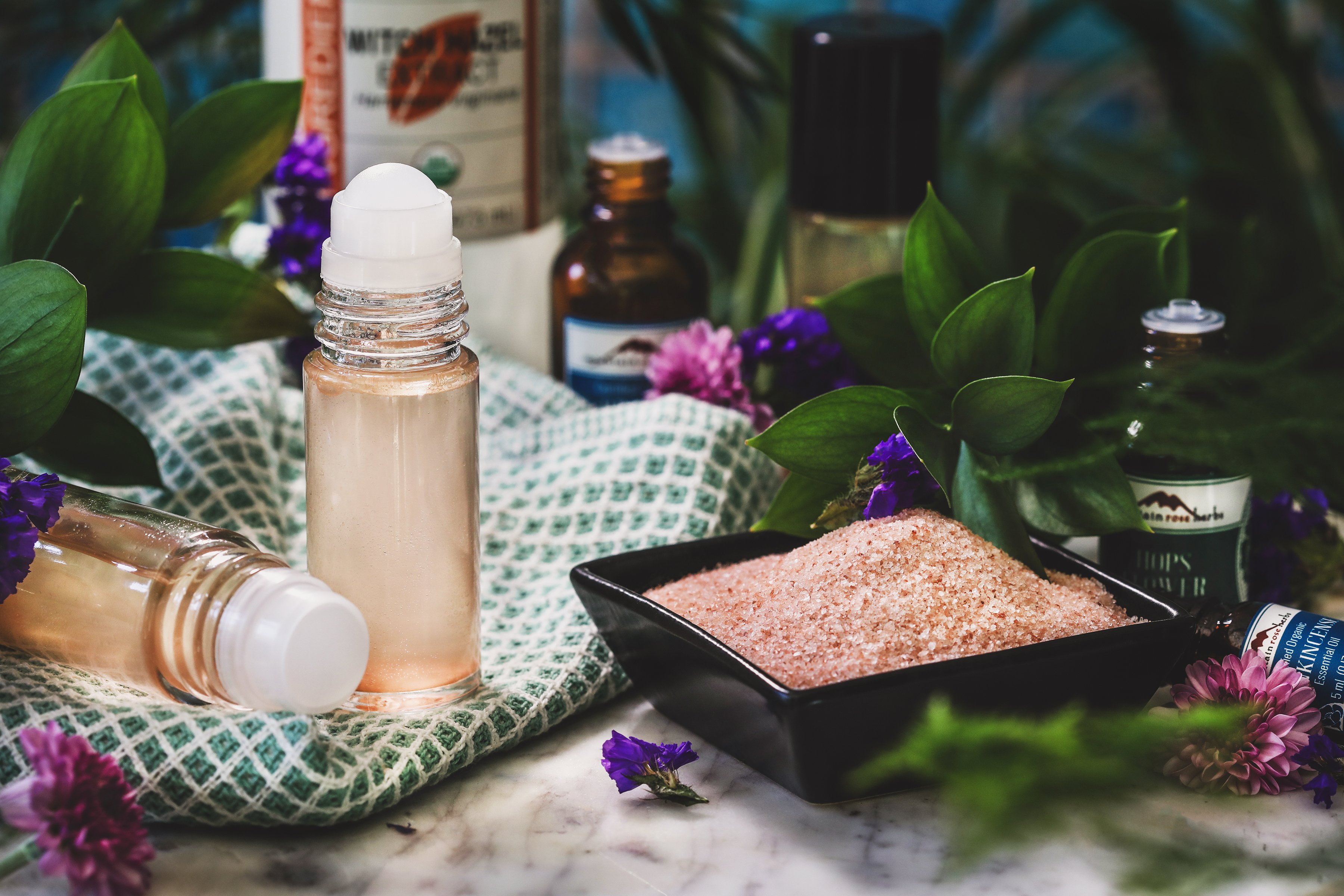
Summer being what it is—with all the extra sunshine and outdoor fun—our deodorant choices start to matter in a bigger way. Consumers have become increasingly aware of the potential issues that can come with using deodorants with ingredients like propylene glycol, aluminum, and triclosan, and have been turning more and more to natural deodorants. Unfortunately, while over-the-counter natural deodorants are a safer and more earth-friendly option than those loaded with parabens and chemicals, they are still packaged in mostly non-recyclable plastics that millions of Americans throw away every year. Happily, it’s an easy task to make your own natural, herbal, roll-on deodorant.
Read More
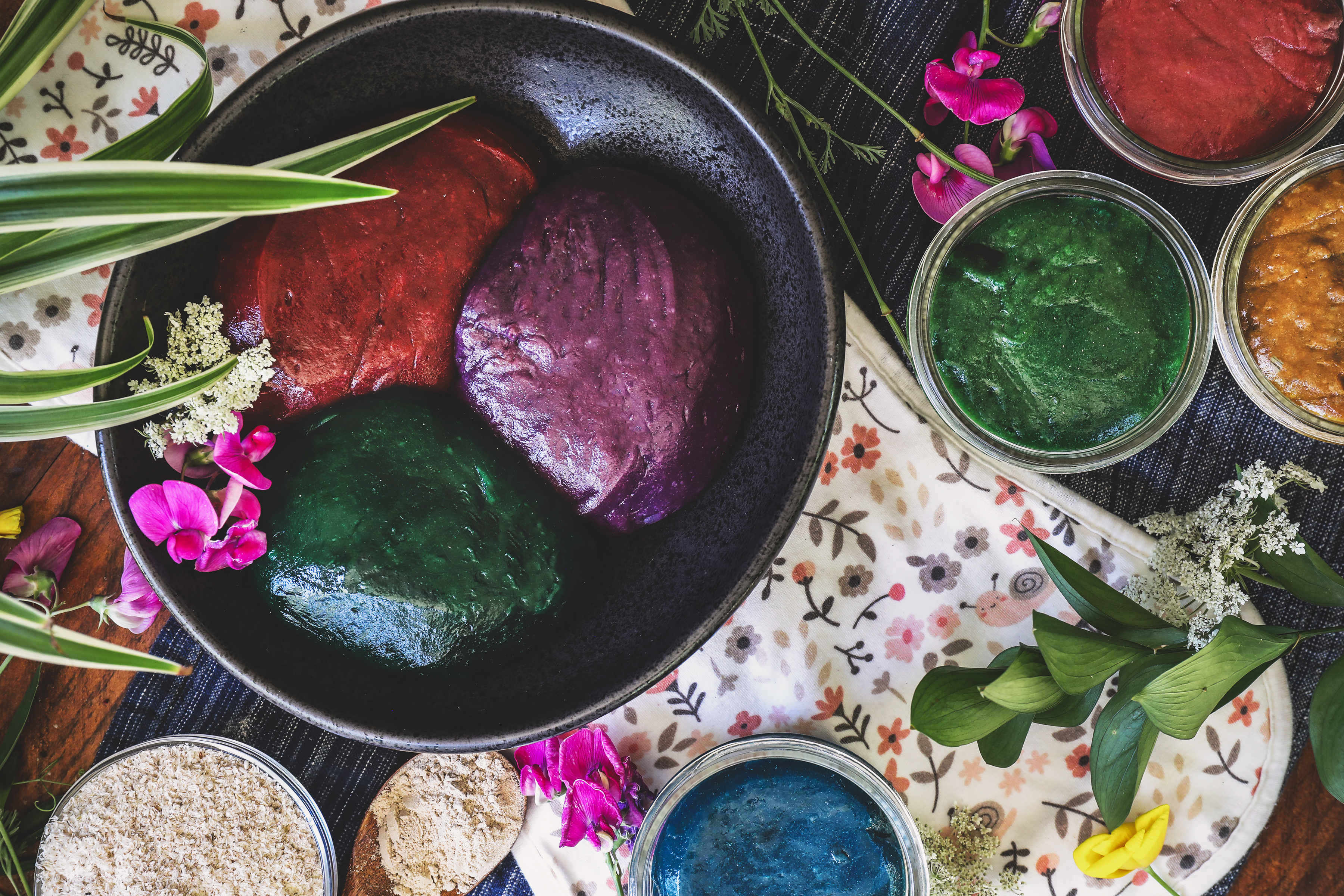
Slime—that strange substance that defies Newton’s laws of viscosity—has been a staple in store toy aisles for almost 50 years and the DIY versions have been around almost as long. The typical school-science-project slime recipe involves mixing either borax or contact lens solution with PVA glue and water. The science behind it is a chemical reaction between the polyvinyl acetate in the glue and the borate ions in the contact solution or borax, an action called cross-linking that results in a logic-defying substance that is a whole lot of fun to play with. However, fascinating DIY science aside, too much exposure to boron—which is the base of borax, boric acid, and also, ironically, that contact lens solution—can cause respiratory, skin, and eye irritation, and when ingested can lead to nausea, vomiting, and diarrhea. Note the caution on the front of a box of borax detergent: Caution: Eye irritant, may be harmful if swallowed. Needless to say, that DIY slime hack is not ideal for small children, particularly those who tend to taste-test things. Fortunately for the child in all of us, you can make slime from psyllium husk!
Read More
Spinach has been providing humans with bountiful nutrition for more than 2,000 years. By the time this cool-season annual reached western Europe in the 11th - 15th centuries, it was already an established crop and widely cultivated in the Middle East and Asia. It has long been considered the “Captain of Leafy Greens,” which is an apt title for this vitamin- and mineral-packed veggie. However, because our bodies cannot metabolize spinach quickly, it can produce gas, bloating, and stomach cramps. This is not to say we shouldn’t eat raw spinach; we absolutely should because it’s loaded with all kinds of other essential nutrients like vitamin C, niacin, potassium, etc. that are more available to our bodies when eaten raw. But to capture all of the benefits of spinach, it behooves us to eat it in other ways as well. Dried spinach is a delicious, high-nutrition option!
Read More
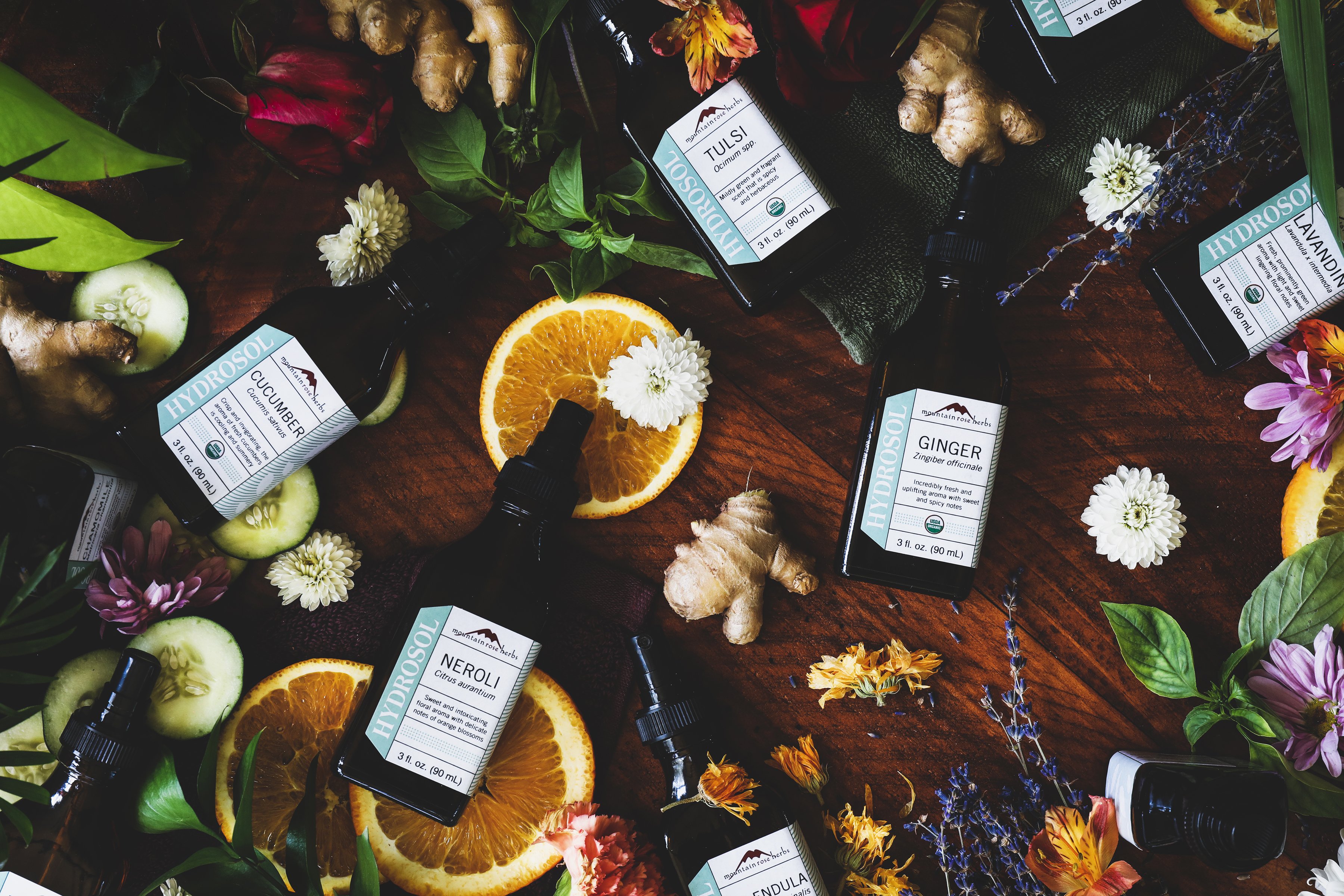
Hydrosols are high quality, distilled botanical extracts, not to be confused with the “floral waters” you might have seen for sale that are often just water combined with essential oils. Hydrosols are beloved by the herbal community for their ease of use and versatility in aromatherapy, herbal body care formulations, therapeutic applications, cosmetics, and household recipes. They add variety and scope to our herbal practices, and we appreciate the added safety they give us when working with children, elders, and pets. Although they are made using the same distillation process as essential oils, they are more sustainable because distillers get significantly more hydrosol per distillation. But not all hydrosols are created equally. We’re excited to tell you more about these lovely plant waters.
As many of you know, longtime owner, Shawn Donnille, returned to an active role as CEO of Mountain Rose Herbs at the beginning of 2020, just as the first Covid-19 cases were reaching Oregon. Like so many companies, we were deeply impacted by the realities of trying to do business during this time. Now, after navigating Mountain Rose through a radical restructuring, Shawn is able at last to step back and pass the day-to-day operations to two trusted, longstanding employees. We want to express our gratitude to him for being the driving force that pulled us through such trying times, and we want to let you know about the exciting leadership changes we’re making.
Read More
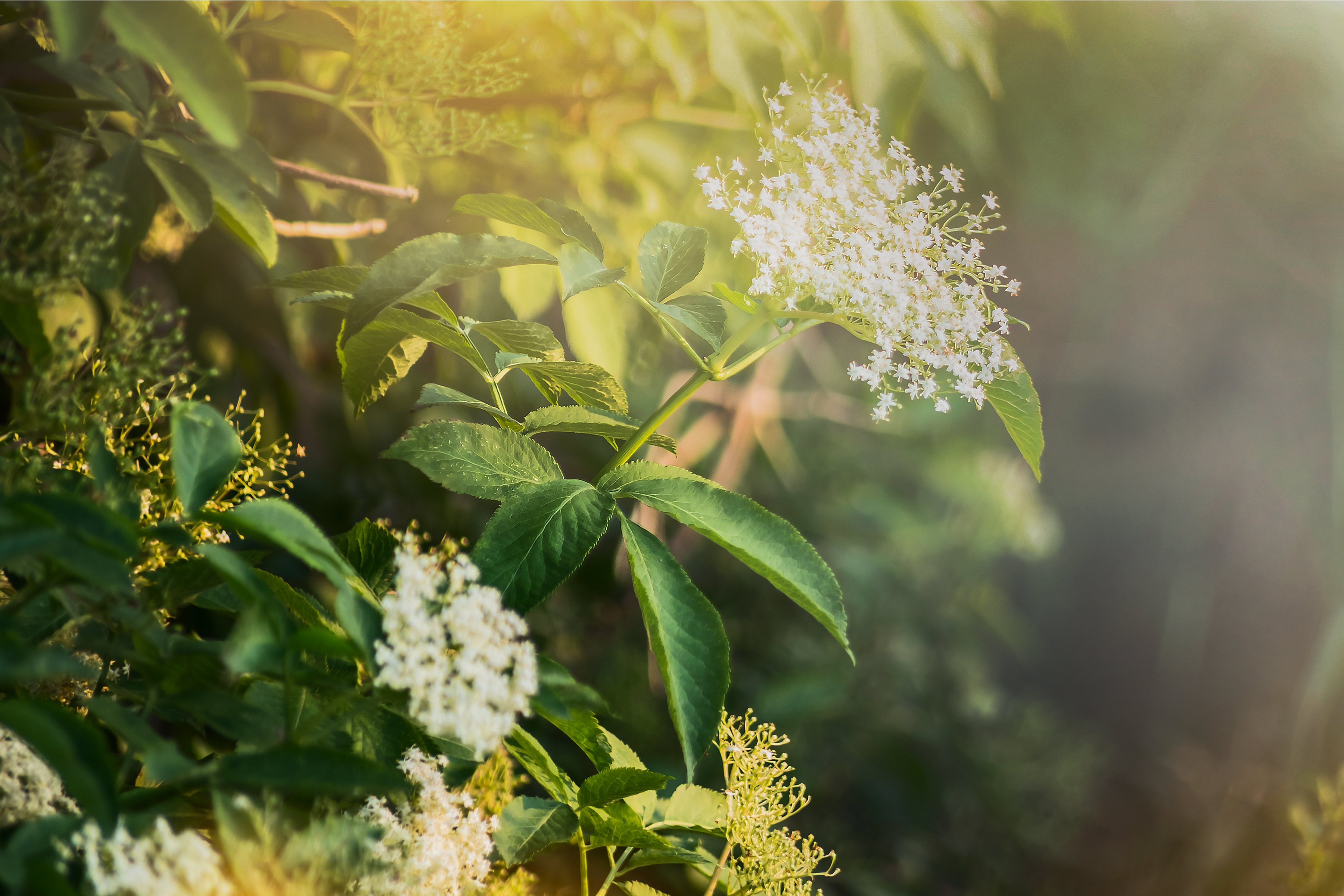
It’s almost elderflower season! When I excitedly announced this among friends recently, they all gave me a grin-and-eye-roll combination that, if I’m being honest, I receive on a regular basis from this bunch. It’s all done in good fun—it’s no secret that I choose to live my life much slower than the modern-world pace, as closely aligned with the turning of the seasons as possible. My favorite people may tease me about my Luddite ways and seasonal delight over things like elderflowers, but they aren’t fooling anybody. They’re always the first ones to belly up for our refreshing cordials and festive cocktails and, because I let most of my homegrown elderflowers turn into berries, they are also the ones who slyly check in throughout the year to see if I’ve got any cordial made with the dried elderflowers that sustain us when the fresh flowers are long gone. Here’s to elderflower cordial and sharing with friends!
Read More
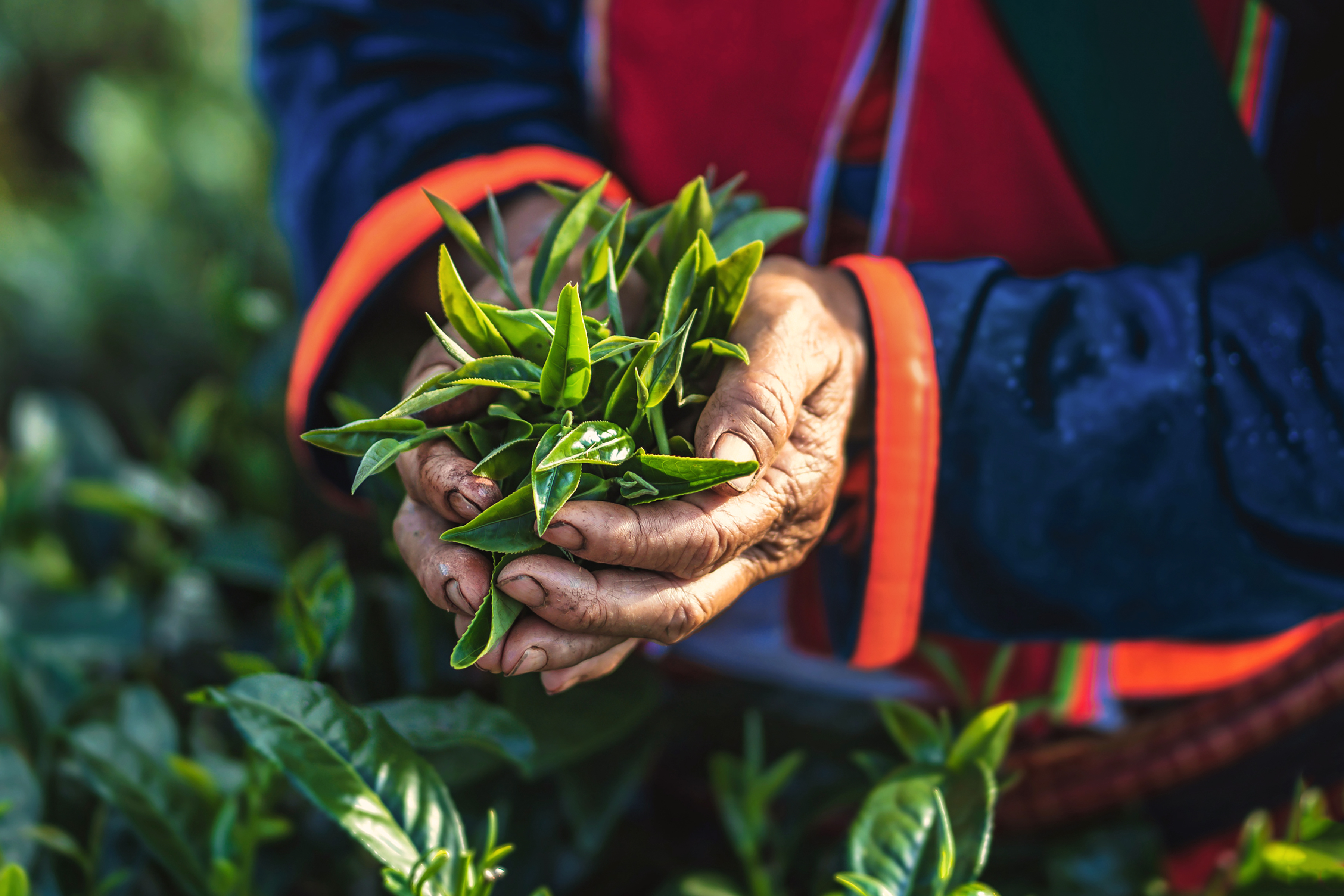
Camellia sinensis is one of a small number of botanicals on the planet that has altered the course of history. This single precious plant—from which black, green, and white teas, among others, are made—has, for better or worse, been responsible for both the making and the fall of empires. Although it is the mother plant of a variety of teas, its power in the global marketplace is particularly potent when its leaves are fully oxidized to make black teas. Black tea is the most popular type of tea in the world, including here in the States. In 2019, the Tea Association of the U.S.A. reported that people in the U.S. consumed over 3.8 billion gallons of Camellia sinensis-based teas, 84% of which was black tea. What is it about black tea that is so alluring?
Read More
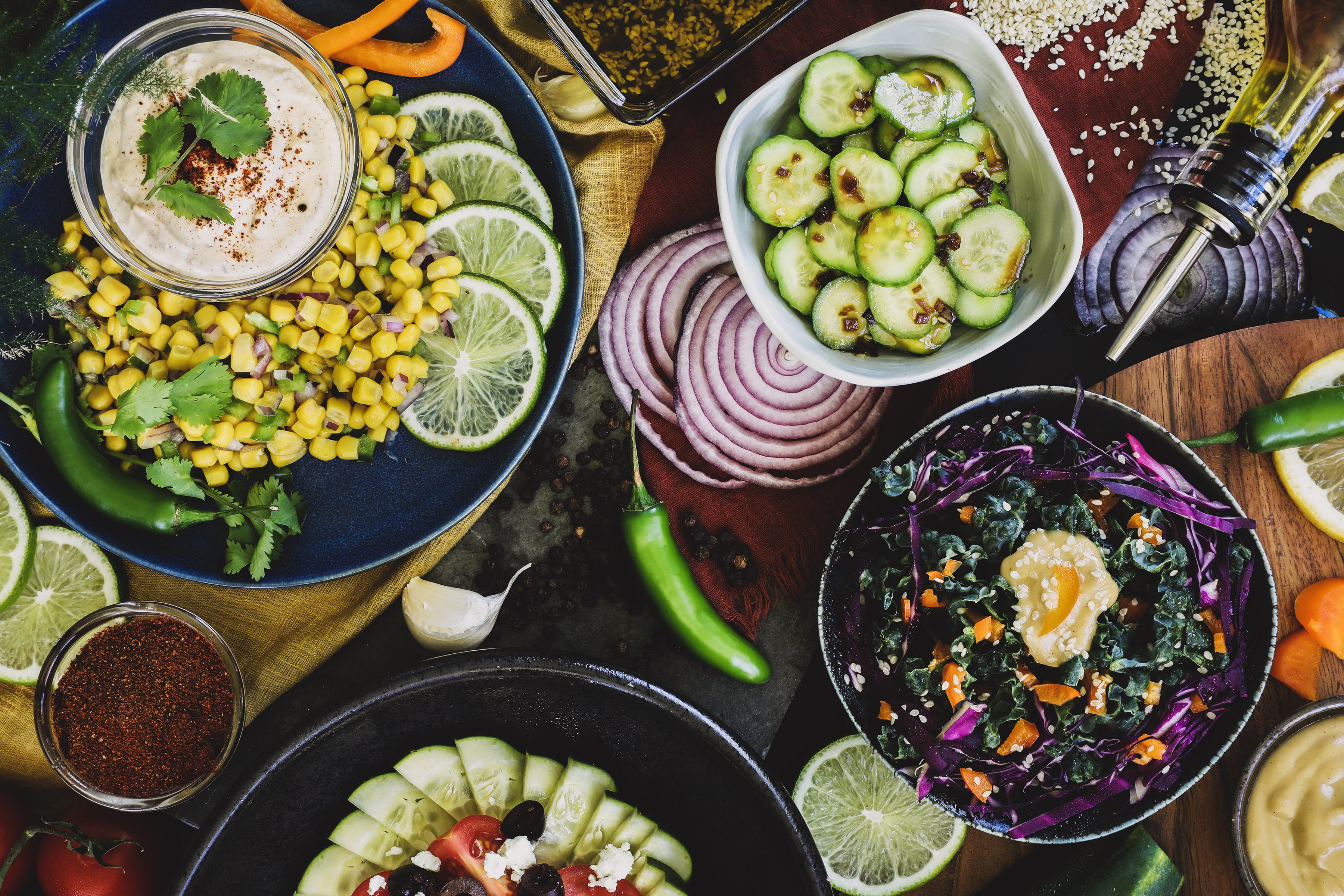
There are a lot of reasons to love summer, but a big one here in the Willamette Valley of Oregon is the wealth of fresh garden and farm produce. We’re heading into salad season, always a good opportunity to explore new flavors and ways to enjoy the freshest greens, ripest tomatoes, crispest cucumbers, sweetest corn, and more. We’ve got four standout salad dressing recipes from around the world for you to enjoy this season, along with ideas about how to best use them: horiatiki from Greece, wafu from Japan, esquites from Mexico, and tahini-lemon from the Middle East. Enjoy!
Read More
A friend called the other day and before I had a chance to finish with “Hello” she asked, “What was that vinegar drink you made last summer? The zingy one with basil and berries?” It was a shrub: a “zingy” drinking vinegar infused with fruit. Apparently, my friend had a craving because berry season is upon us. It was a good reminder—this is a perfect time to start infusing vinegars with herbs and fruit for both refreshing summer drinks and herbal formulations for later in the year. I love the allure of a jar full of drinking vinegar and the potential it represents for delicious, healthful sipping. Infuse berries and we’re also well on our way to a perfect shrub cocktail/mocktail season.
Read More