Read More
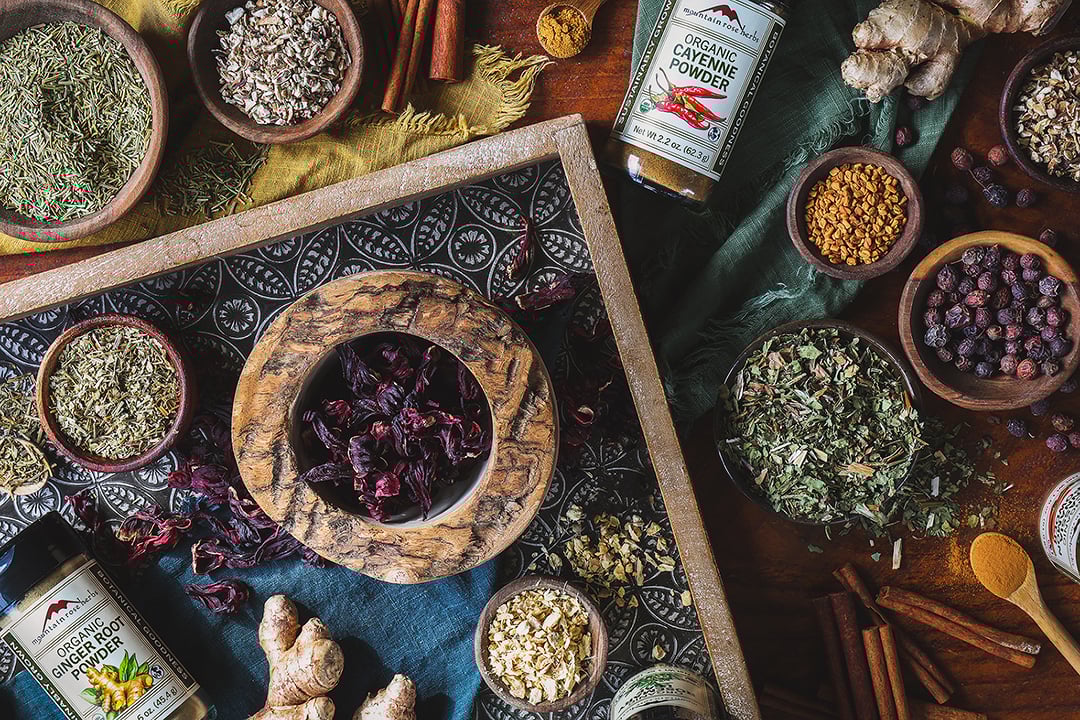
If you live in the Northern Hemisphere, you are likely familiar with the descent into the colder months of the year. Meeting colder temperatures is a humbling experience for any living being. Cold is a teacher—it shows us how to keep warm through connection, through acts of love that warm the heart. It also teaches urgency. Think of woodland animals scurrying as temperatures drop, gathering what they need to prepare for winter or hibernation.
Read More
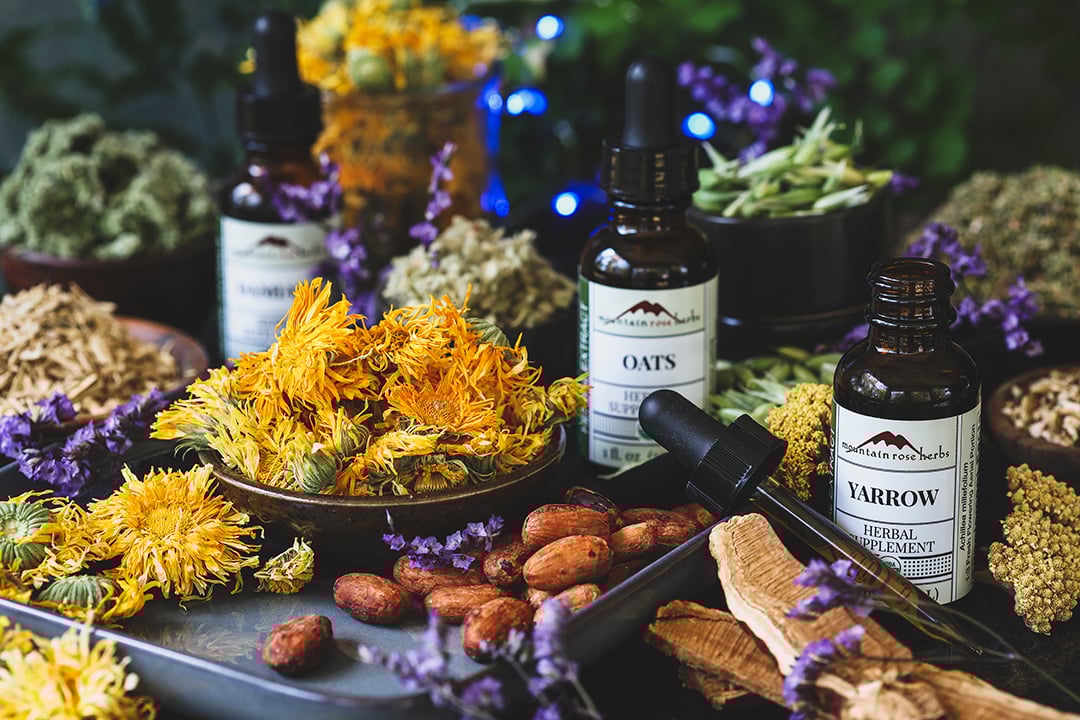
The moon, in all her changing phases, offers a rhythm we can root ourselves into—an ancient mirror for our inner terrain. Just as she waxes and wanes, we too move through cycles of nestling, emergence, release, and renewal. Working with herbs attuned to each moon phase can help us deepen our connection to the Moon. Moon carries wisdom and offers fertile grounds for rest, action, healing, or insight depending on where we are in the lunar cycle. The lunar cycle can serve as a visual guide to the seasons of our lives. What follows is a soft guide to working with plant allies through each moon phase—an invitation to align your intentions and energy with the moon’s path. To walk alongside the moon is to internalize what it means to move with nature and live in its flow. It is also a radical act—one that reconnects us with ourselves, with community (especially when shared with a friend or two), and with the natural world.
Read More
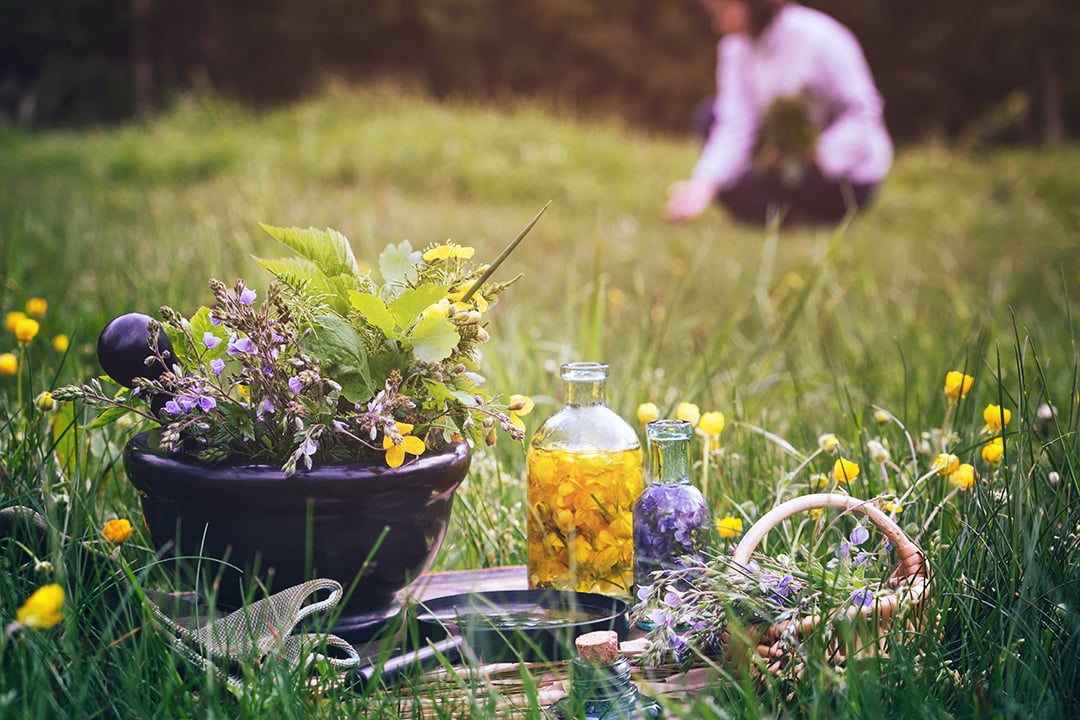
When I first learned that plants were medicine, my first thought was, How did I not know this sooner?
A lot of that probably has to do with growing up in Frederick, Maryland—a vast landscape of agricultural crops, where corn, soybeans, and a patchwork of wheat filled the fields. But even more had to do with my inability to access information that was freely circulating on the internet. As a Deaf kid in the nineties, I grew up alongside the boom of the internet. There was information out there—glimpses of herbalism, holistic health, alternative medicine, tending to the land—but much of it wasn’t captioned. Even television, a major source of knowledge and culture, was largely inaccessible. (Spoiler alert: it still is.)
Read More