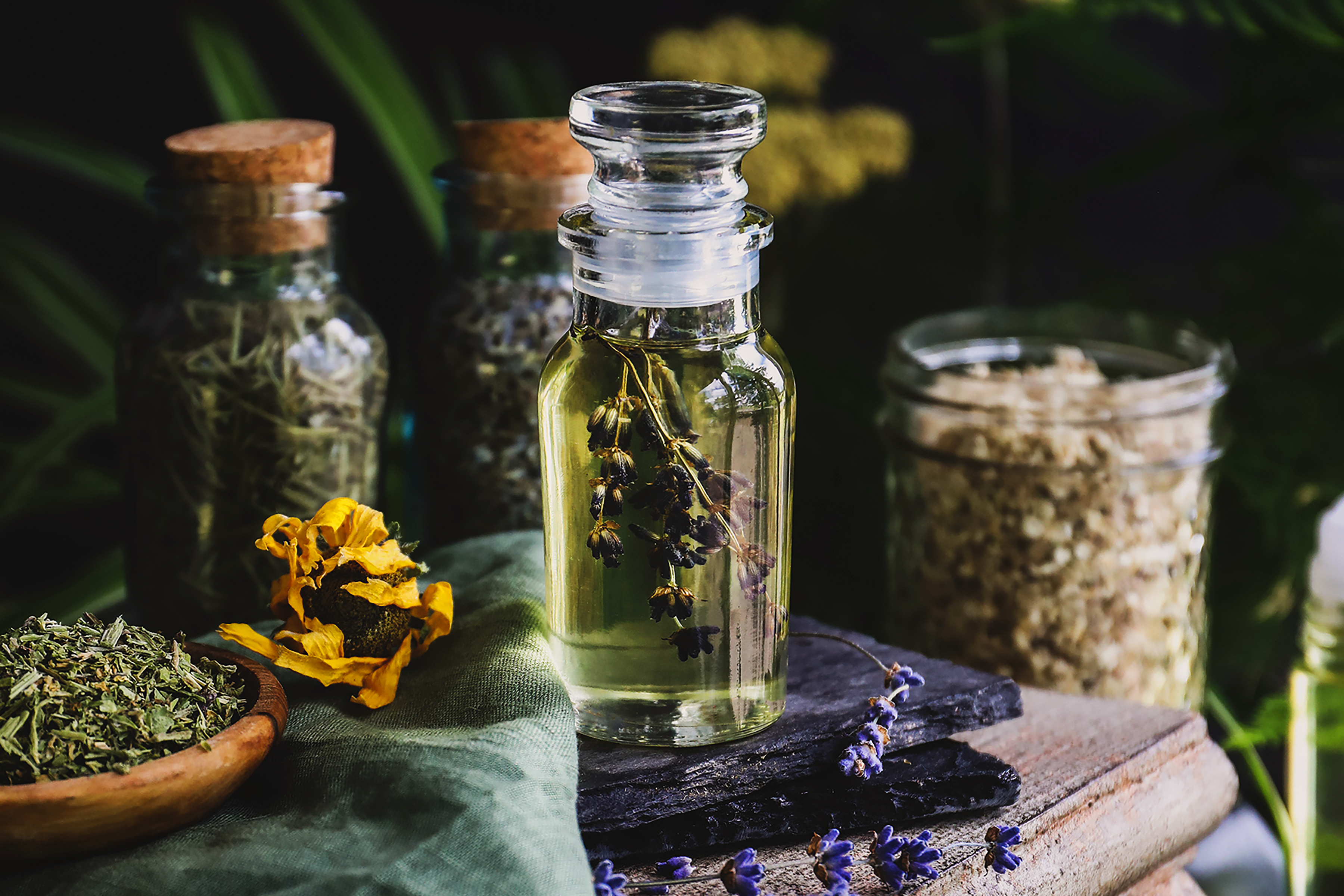


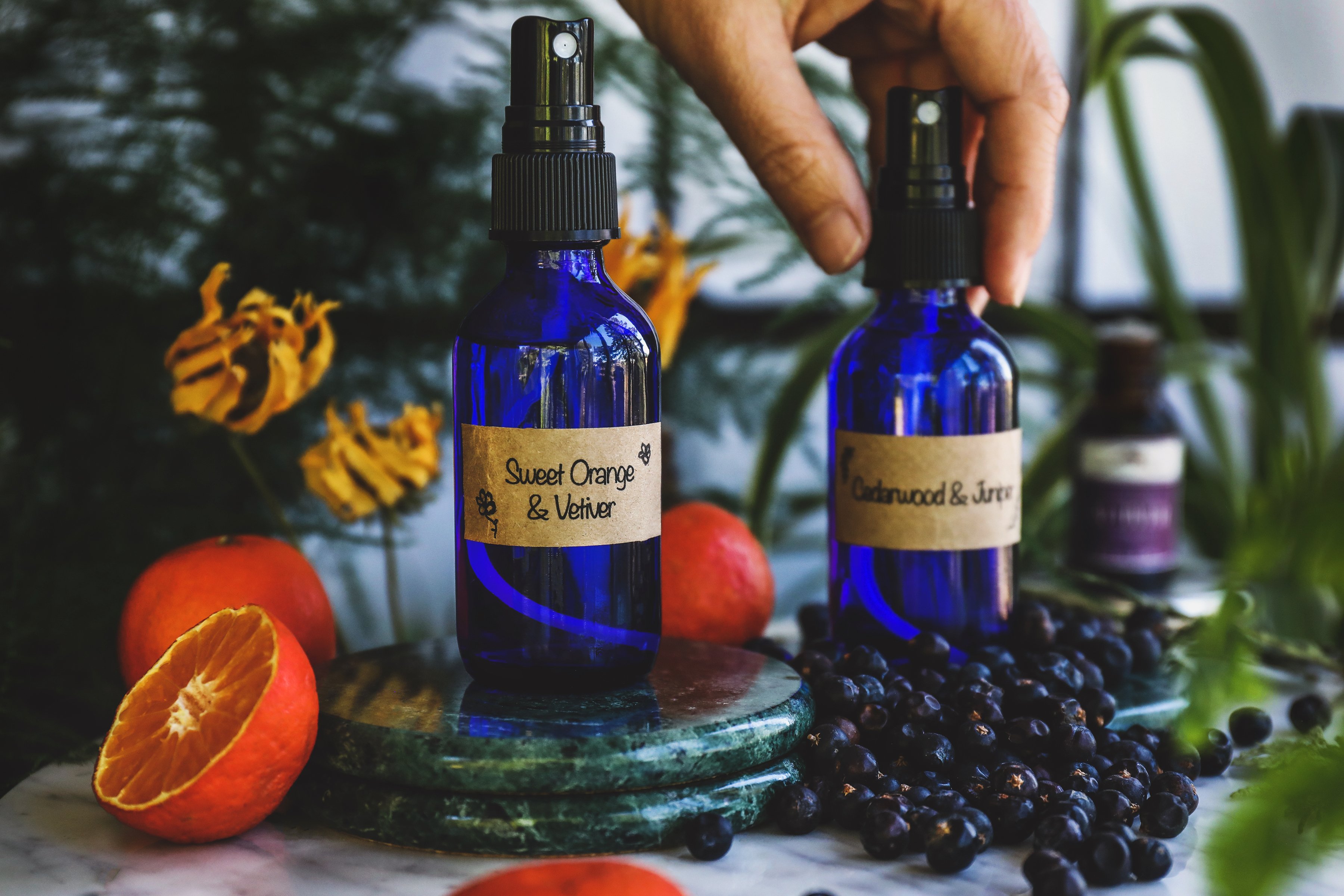
Distilled from the twigs and bark of the witch hazel tree, high quality, organic witch hazel extract is a lovely, time-tested ingredient in DIY and natural deodorant sprays. Witch hazel lowers the skin’s pH, so odor-causing bacteria cannot thrive. It is gentle enough to be used alone, or can be combined with herbs and essential oils. It also does double-duty as a toner, which is why you see it show up so often in the finest facial toner recipes. These Mountain Rose Herbs deodorant spray recipes bring together the superpowers of witch hazel with balanced blends of aromatic essential oils—it’s no wonder they have been favorite go-to recipes for more than a decade! And, once you have the hang of these easy homemade sprays, you can customize the recipe to create a perfectly blended scent for yourself or your loved ones.
Read MoreHeidi
Recent Posts
Whether you have acreage for a big herb garden or, like me, you’re trying to get as many herbs as you can in your small space—using patio pots, and windowsills, and waging war on every spot of lawn grass that you can eradicate—preserving our mid-summer herbal harvest is a deeply satisfying way to carry the magic of life-giving summer into the cold winter months. Drying our own herbs is remarkably simple and doesn’t require expensive special equipment—just some rubber bands and a piece of screen or a drying basket. If you’re ready to harvest your own herbs, here are a few pointers on drying and storing your bounty.
Read More
Our skin is literally our first line of defense, not only against the outdoor elements, but also things we don’t often think about like the detergents we use in our laundry, the chemicals in swimming pools and hot tubs, and the daily ravages of air pollution. According to the U.S. Environmental Protection Agency, the air in our homes and other buildings “can be more seriously polluted than the outdoor air in even the largest and most industrialized cities.” Air pollutants hurt the skin in a variety of ways; they can activate cell metabolism and inflammatory processes, they can induce oxidative stress that causes free-radical damage and breaks down healthy collagen, etc., all of which ultimately throws off the balance of the skin’s natural microbiome. When that microbiome gets out of whack, some people experience sensitive acne, rashes, hives, and redness. Others struggle with dry, itchy skin and an uneven complexion. All day every day, our skin acts as a shield between us and the world. That’s why it’s important to give it all the support we can.
Read More
I Googled my symptoms. Turned out I just needed to go camping.
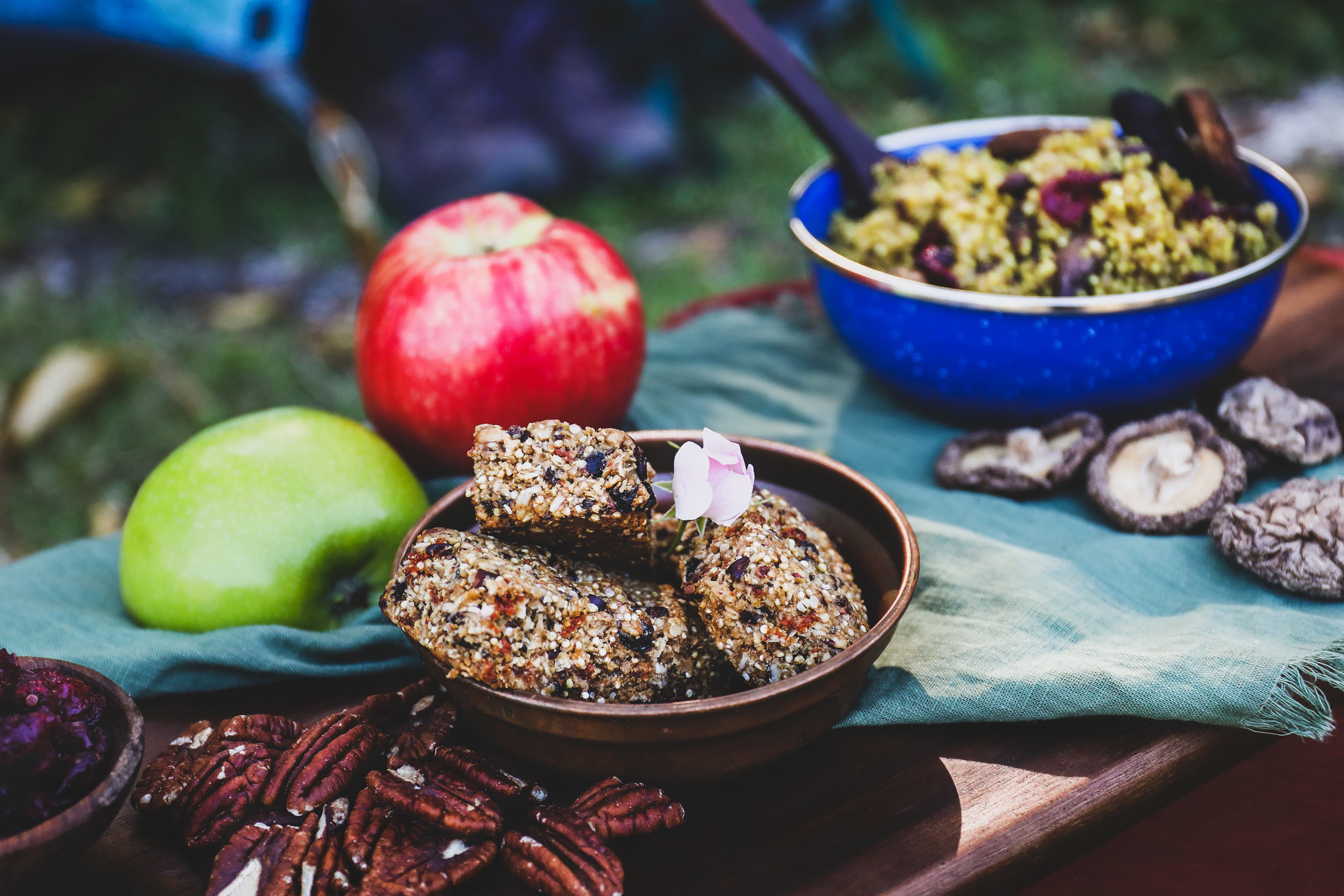
Sometimes the only cure for what ails me is getting away from civilization for a few days, someplace where there is no wifi, I can see a whole sky full of stars, and I can’t hear anything but a river and birds. Whether I’m hiking, backpacking, or car camping, cooler-space is either nonexistent or at a premium, so I appreciate delicious, no-refrigeration-required camping food options. The following three recipes are regulars on my family’s camping season menus. Not only are they delicious, they also happen to be gluten-free and vegan-optional. Enjoy!
Read More
Affordability is a real issue when it comes to health and wellness. Many of us are living on tight budgets, and that’s not getting any better with the current skyrocketing inflation. One of the things that I love about herbalism is that it empowers me to make better choices for my health and wellbeing without blowing my budget. It’s true that some herbal formulations require ingredients that are beyond what I can purchase, but there are many effective options that fall comfortably in the affordable zone, so I’ve never felt like I missed out because I couldn't buy those pricier options. The following 20+ recipes are perfect examples. From wellness recipes to topical applications and culinary treats, these excellent, affordable formulations have served the Mountain Rose Herbs community well for many years. Enjoy!
Read More
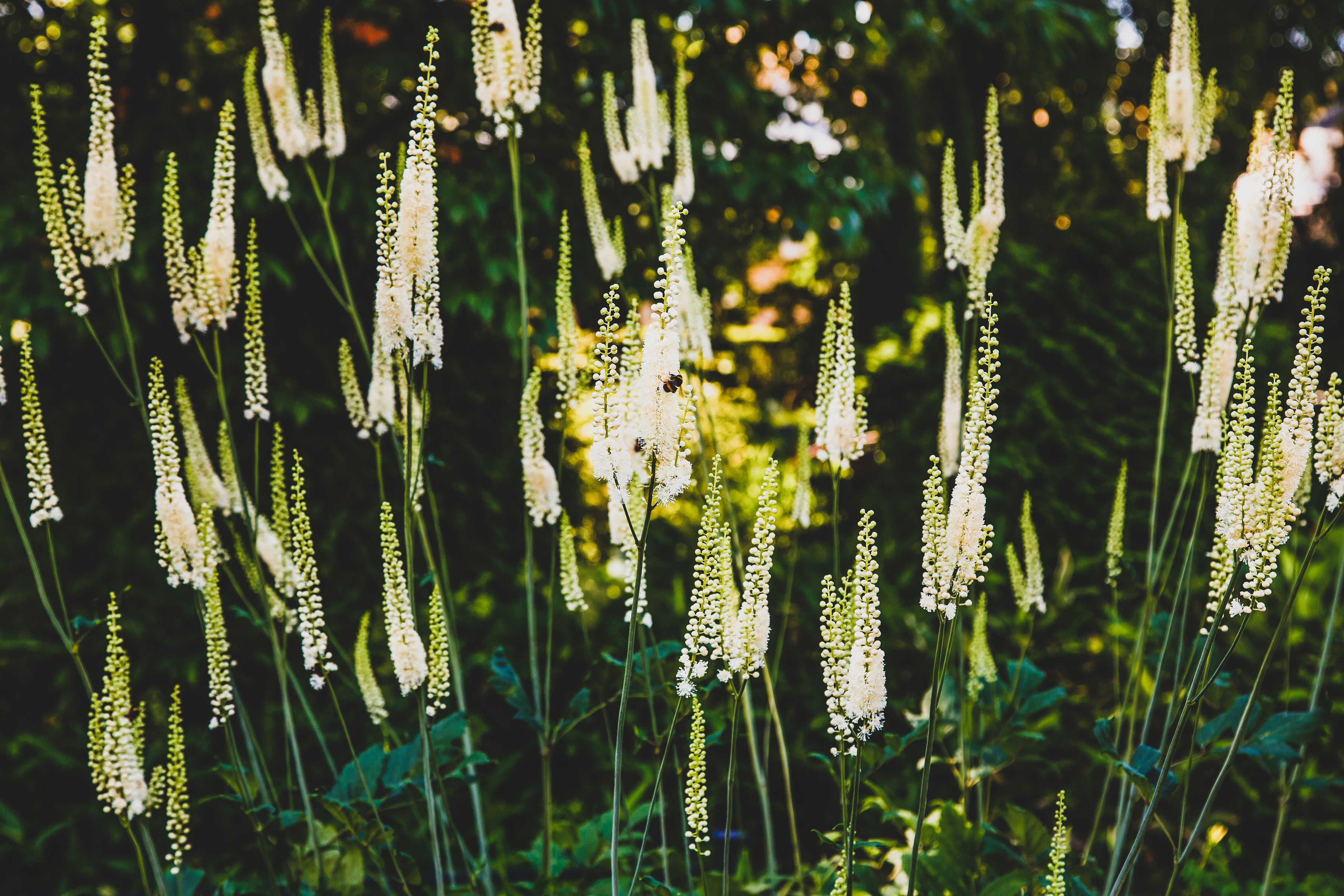
Black cohosh (Actaea racemosa) is one of the top-selling herbal supplements in the United States. According to United Plant Savers (UpS), the harvest of black cohosh in our nation is as much as half-a-million pounds in dry weight per year—and 97% of that harvest is wild-sourced! This level of massive-scale wildharvesting has repercussions and raises concerns about the long-term sustainability of this powerhouse herb. Fortunately, unlike some of our other favorite forest-farmed botanicals, black cohosh is easy to cultivate. While this doesn’t address the immediate issue, it does give us hope for a bright future. Let’s take a deeper look at what we can do to support a sustainable future for black cohosh.
Read More
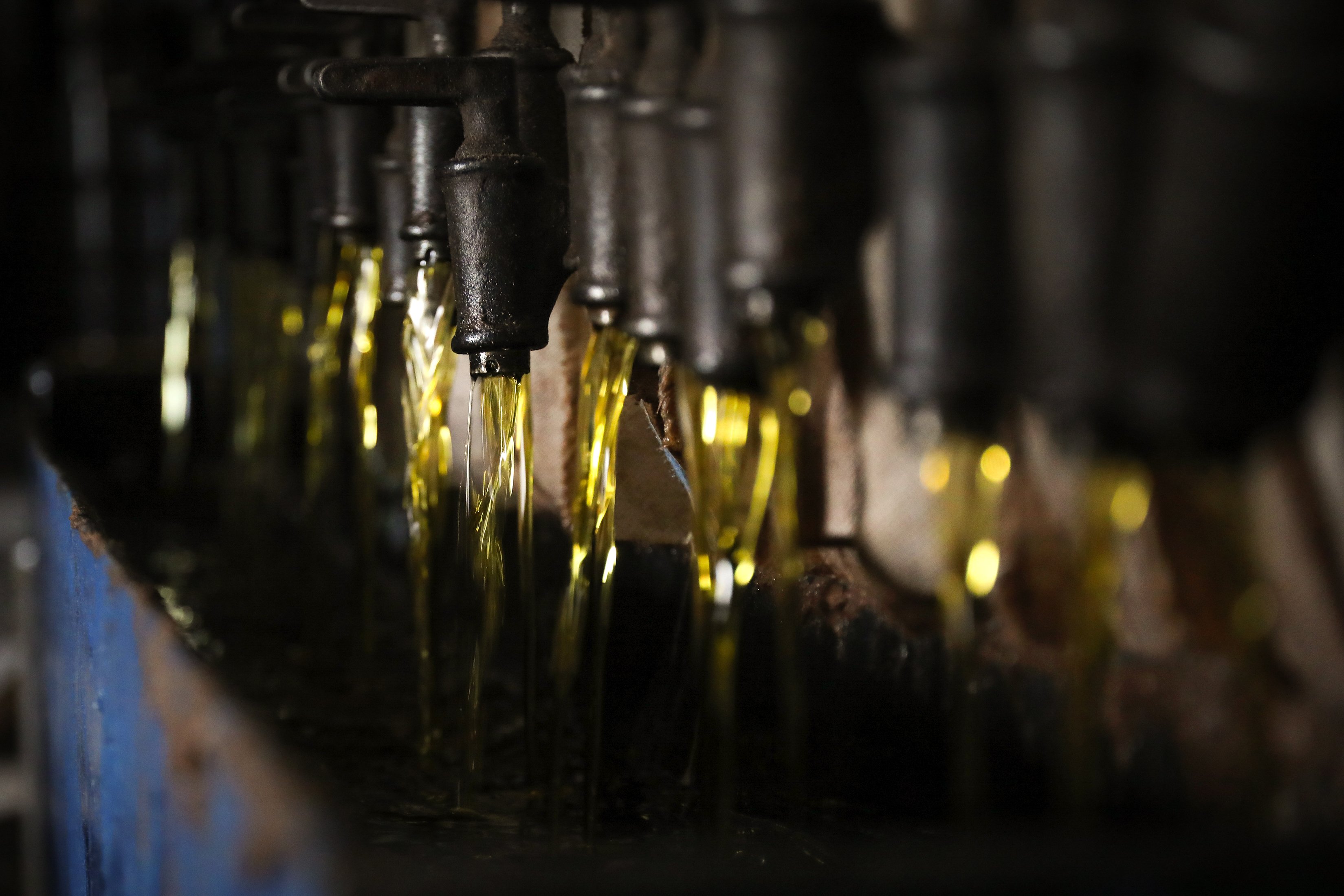
Have you ever had the experience of talking about something—that to you is the most normal thing in the world, like talking about ice cream—only to discover that your audience is looking at you blankly, and you realize that they have no idea what you’re saying? I had a conversation recently with a couple of folks who expressed interest in essential oils for massage. I was expounding on appropriate carrier oils to use for DIY massage oil recipes and had gone on for a couple of minutes on this topic, when I saw them looking at each other with perplexed faces. As I sputtered to a stop, one of them said, “What is a carrier oil?” Ah, right; I clearly needed to back up and start at the beginning. With that in mind, let’s take a moment to talk about carrier oils, starting with what the heck they are and how they’re made.
Read More
This spicy margarita recipe with DIY jalapeño simple syrup, homemade citrus margarita mix, and a delicious chili-lime rimming mixture for your glass is going to check all your tastebuds’ boxes. Make the simple syrup and margarita mix ahead of time, refrigerate them until ready to use, and then you can easily shake up a delicious, spicy margarita whenever the occasion calls for it. Organic chili-lime salt and dried jalapeño flakes are the key to these easy, delicious homemade margaritas!
Read More
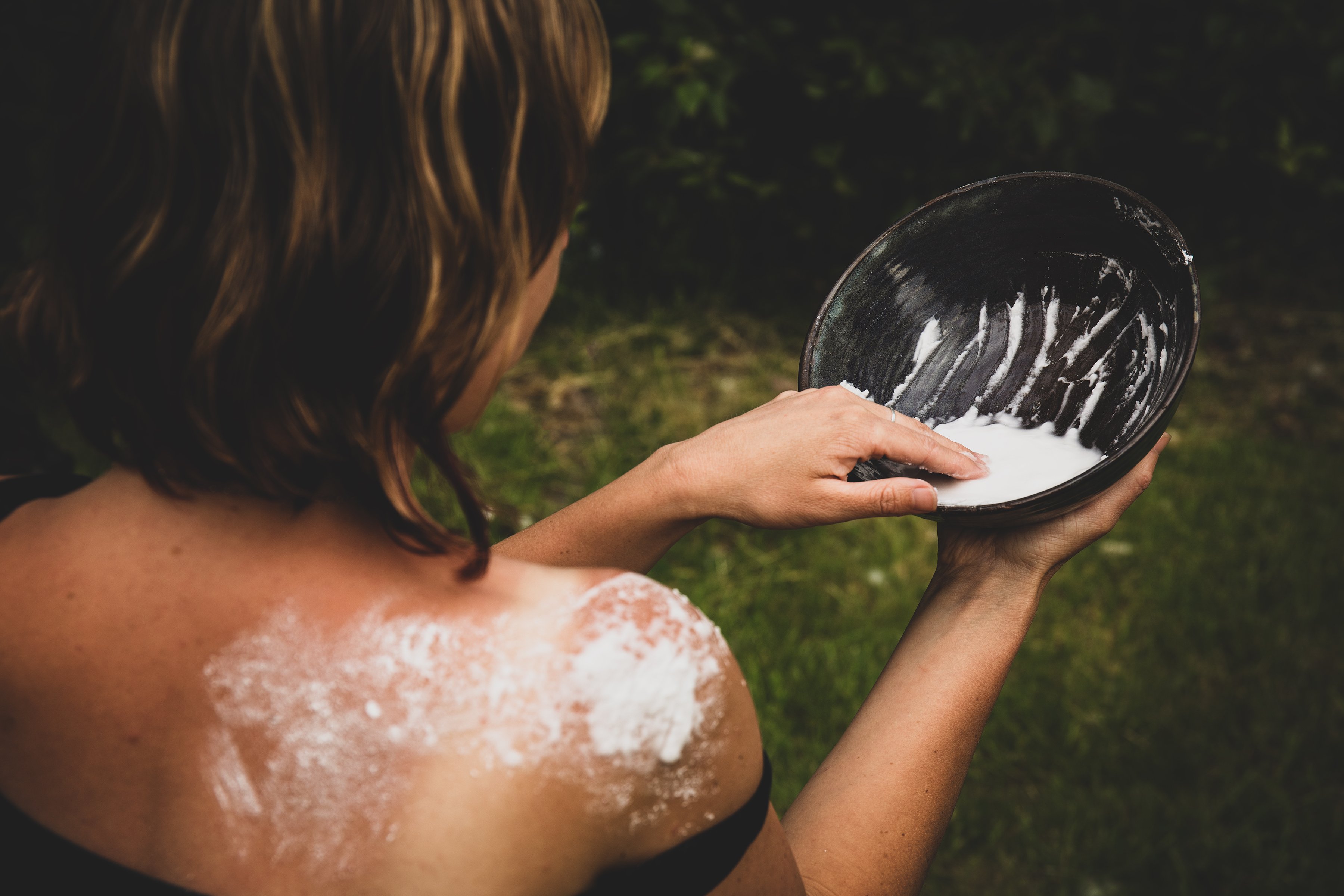
I am one of those people who seeks out shade. On a camping day or a lazy afternoon at the river, as the sun crosses the sky, I will be the one moving my camp chair to stay out of its way. And yet, somehow, I still find myself dealing with the effects of too much sun. It’s easy to underestimate the sun’s power when we’re busy playing, gardening, swimming, hiking, and enjoying other summertime activities. That’s why I prepare ahead by keeping the necessary components around for simple botanical formulations that help alleviate the symptoms of prolonged sun exposure. When you have the ingredients, the recipes below take just minutes to put together, so you’re only a couple steps away from sweet relief.
Read More
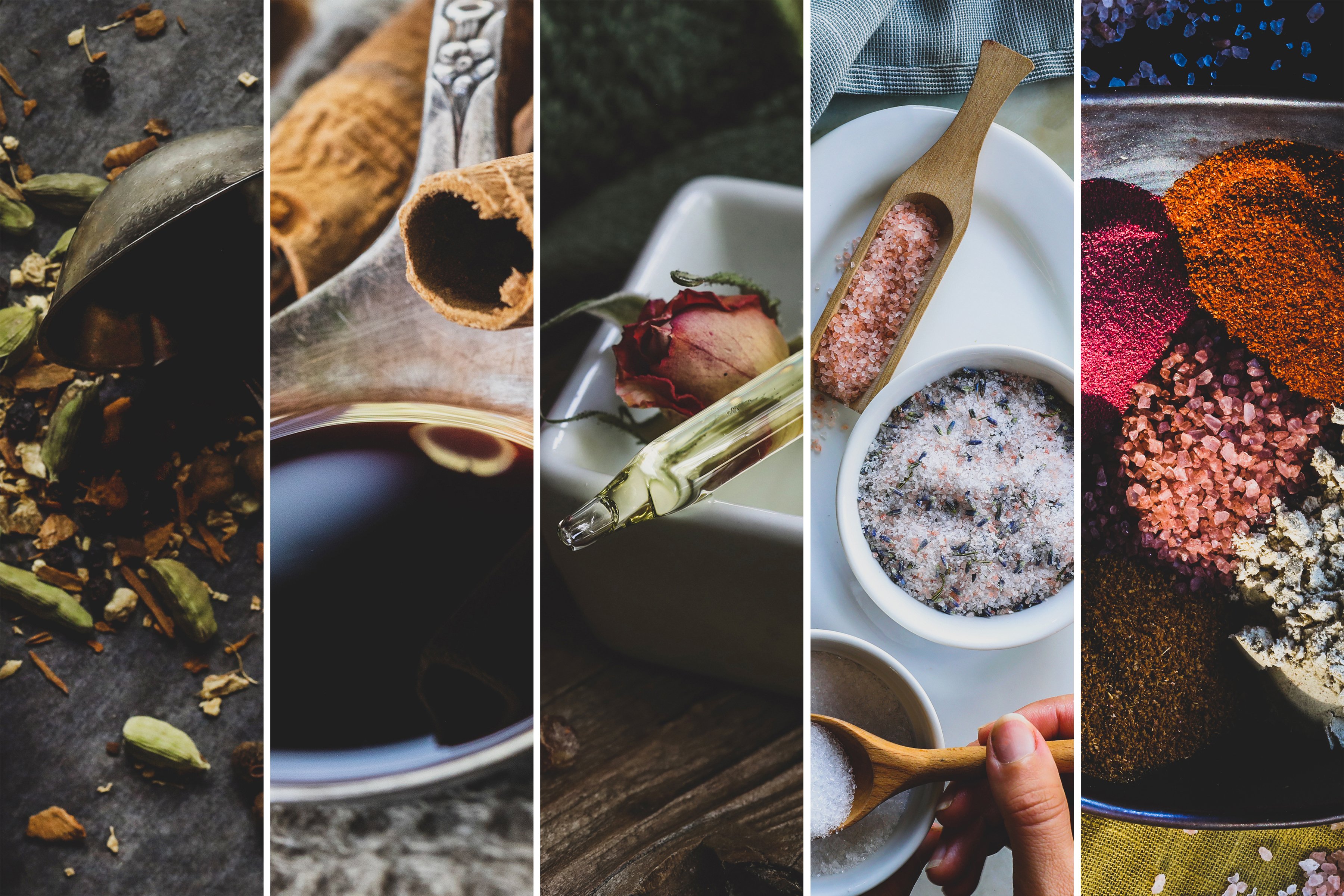
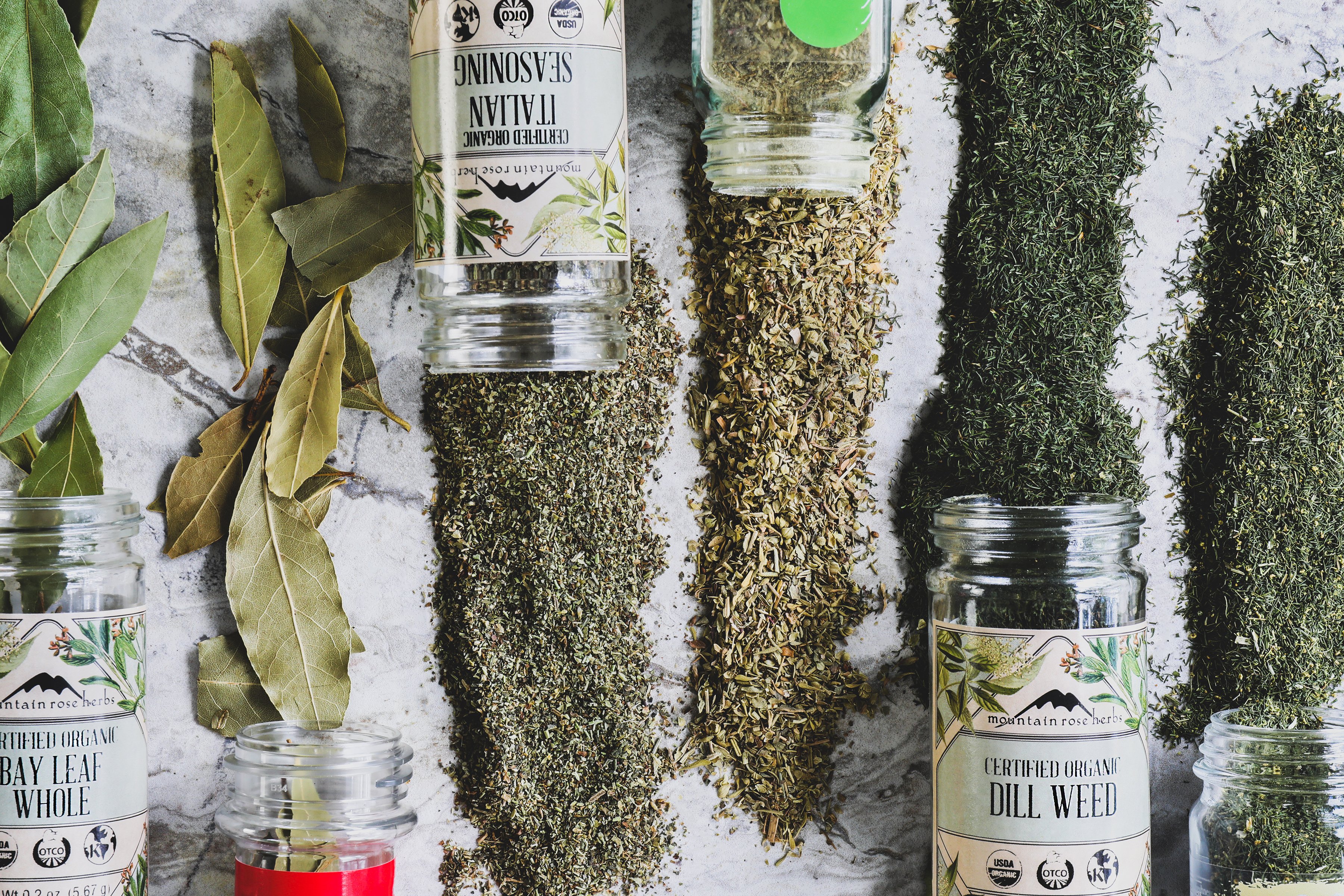
Recently, as I was making soup with my three-year-old granddaughter and teaching her to pronounce galangal root, I found myself in an extended game of “name that spice.” It turns out you can get through an entire elaborate Thai soup recipe with a toddler in this way; I highly recommend it. It goes something like this: Cute toddler points at spice jar and asks, “What is that spice?” Adult says, “Paprika. Smell it, what do you think?” Cute toddler makes funny face and spies another spice that looks similar. “Is that paprika too?” Adult is impressed. “Good eye, that’s smoked paprika. Does it smell different?” And on it goes like that through the colored jars. In this way, I was reminded that I have so many jars of excellent dried herbs and spices and it’s definitely time to check them for freshness.
Read More
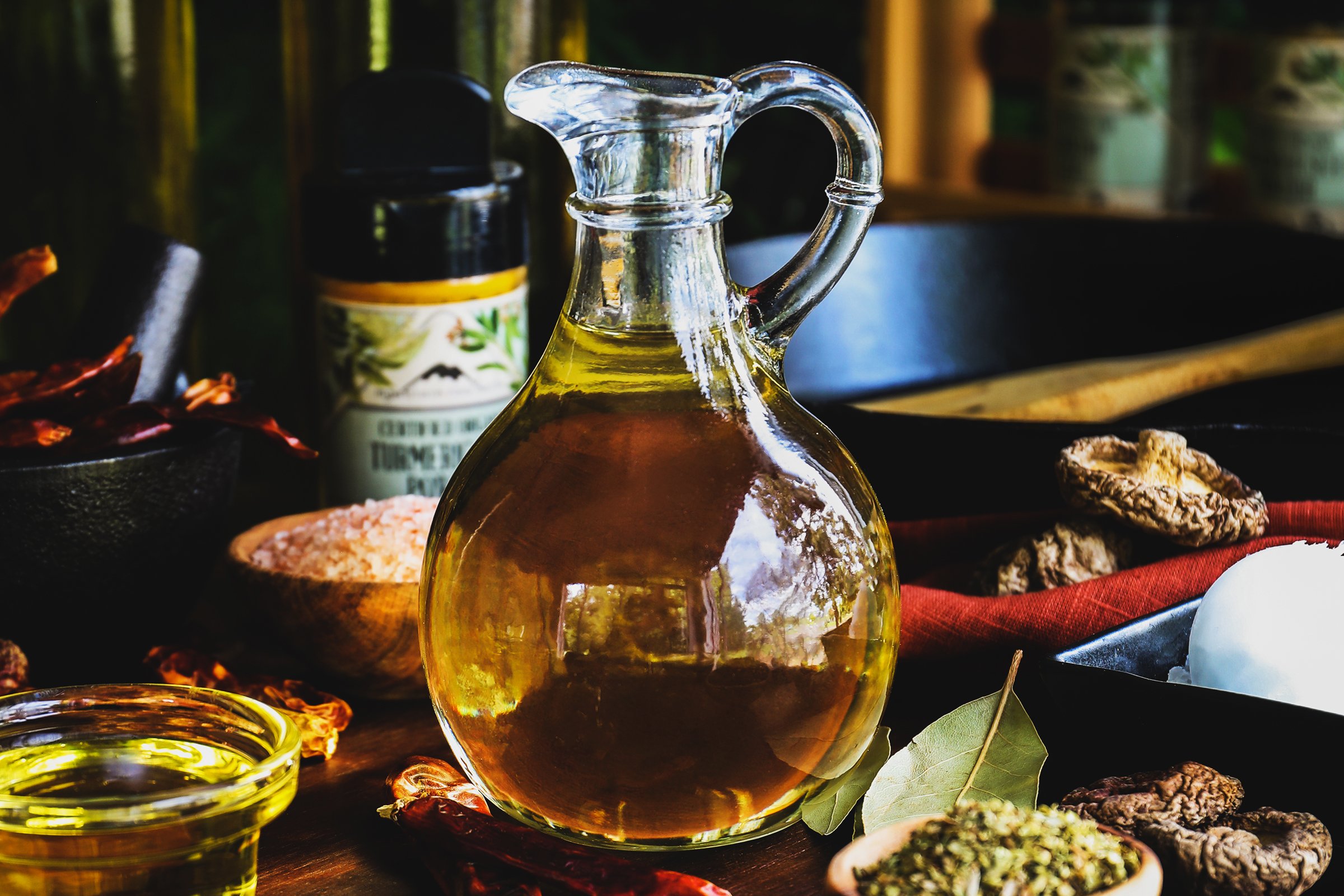
When we make body care formulations, we choose specific oils and butters based on our final goals: consistency, absorption rate, skin type, etc. The same is true for cooking. Fats, like those in culinary oils, are integral to our dishes, not just to keep food from sticking to a pan, but also to affect the final flavor, consistency, texture, and more. Every cooking oil has a unique chemical composition that makes it better at some things than others. This is why one oil might be amazing in a salad dressing or for a lightly sautéed protein, but is a poor choice for grilling or deep-frying. To achieve your cooking goals, it’s important to understand culinary oils and fats. And an important element of that understanding is the smoke point.
Read More